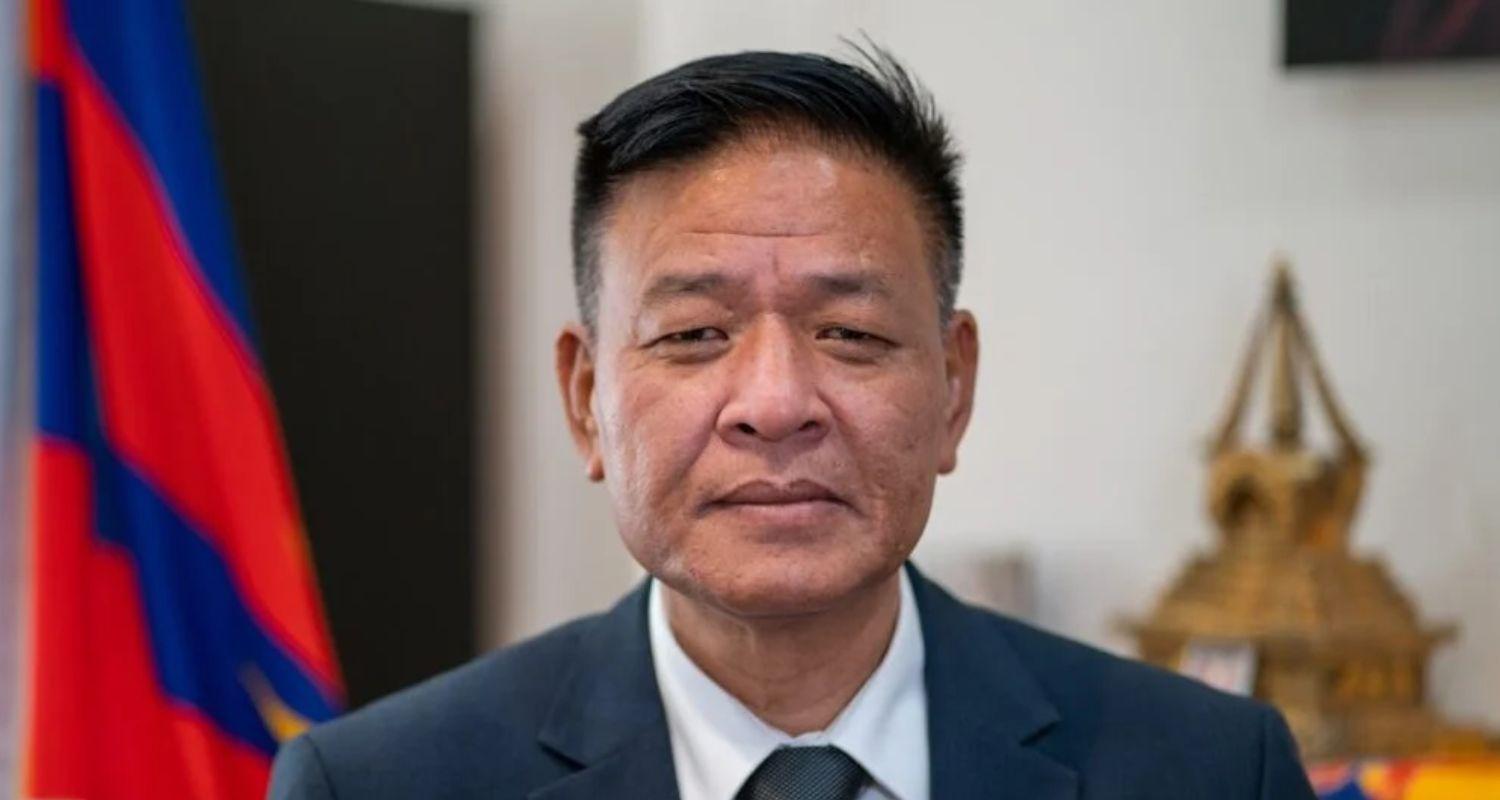
Tibetan political leader Penpa Tsering has strongly criticised China's policies in Tibet, warning that Beijing's increasingly aggressive assimilation efforts threaten not only the Tibetan people but also the broader principles of democracy and human rights around the world, according to the Central Tibetan Administration (CTA).
During a series of high-level meetings in Germany, Tsering held talks with Bundestag member Thomas Rachel, who chairs the Parliamentary Group on Freedom of Religion or Belief in Berlin. The Tibetan leader briefed the German lawmaker on the current situation in Tibet, outlining what he described as China's tightening restrictions on Tibetan religious practices, cultural expression and linguistic rights. He also provided an update on the health and activities of the Dalai Lama.
Also read: US-Iran deal: Israeli military strikes Beirut
According to the CTA, Tsering told Rachel that the Dalai Lama remains in good health and continues to dedicate himself to promoting compassion, peace and the welfare of humanity. He also recounted key moments in Tibet's modern history, referring to China's military entry into Tibet in 1950 and the political developments that led to the Dalai Lama's exile in India in 1959.
Addressing contemporary challenges, Tsering accused Chinese authorities of systematically undermining Tibetan identity through a range of policies. He pointed to increased state control over monasteries, restrictions on Tibetan-language education and the expansion of government-run boarding schools, which critics argue weaken traditional cultural and social structures. He further expressed concern about extensive surveillance measures in Tibet, including the use of facial recognition technology, large-scale DNA collection and digital monitoring systems.
Tsering also rejected Beijing's claims over the selection of the next Dalai Lama, asserting that the issue of reincarnation is a deeply religious matter that should be determined solely by Tibetan Buddhist traditions and legitimate spiritual authorities, without political interference.
Later, while speaking at the International Uyghur Forum in Berlin, Tsering called for greater solidarity among Tibetans, Uyghurs, Southern Mongolians, Hong Kongers and Taiwanese. He argued that the challenges faced by these communities are interconnected and form part of a wider global struggle between democratic values and authoritarian governance, the CTA reported.
He also voiced concerns about what he described as China's demographic engineering and assimilation policies in Tibet, East Turkistan and Southern Mongolia. In addition, Tsering warned about Beijing's proposed large-scale hydropower project on the Yarlung Tsangpo River, saying it could have significant environmental consequences and potentially impact millions of people living in downstream regions across neighbouring countries.

 Follow us