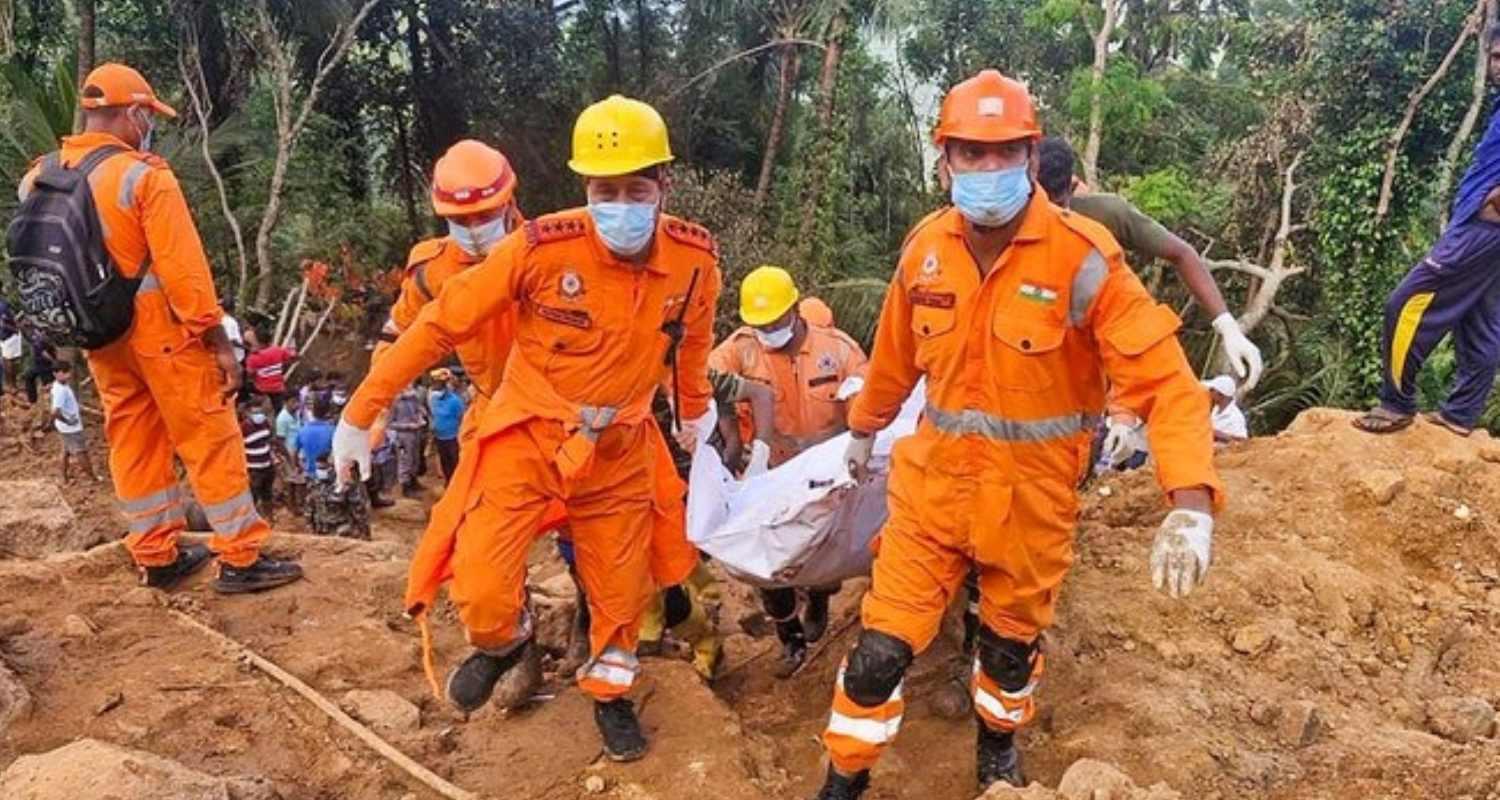
The death toll from floods and landslides in Sri Lanka has risen to 607, with hundreds more still missing in the aftermath of Cyclone Ditwah, which wreaked havoc across the country.
According to Sri Lankan weather monitoring services, the landslide warnings are still being issued across several parts of the country.
The Disaster Management Centre said that around 214 people remained missing, and many of those have now been declared dead by authorities.
Floods have damaged more than 5,000 houses and destroyed thousands of acres of agricultural land.
The National Building Research Organisation (NBRO), which studies mountain slopes and monitors their activity, also issued a fresh warning on Friday.
Sri Lankan President Anura Kumara Dissanayake declared a national emergency after the rain-induced disaster claimed the lives of hundreds within one week.
According to the latest estimates by the country’s top financial institutions, the floods have caused staggering losses of more than $6 billion.
The country has sought help from the international community to repair the damage. Meanwhile, floods have also killed hundreds in Thailand, Malaysia, and Indonesia, bringing the death toll to 1500.
At least 900 people were confirmed dead on Sumatra Island of Indonesia, more than 185 people were killed in Thailand, and three more were killed in Malaysia.
Dissanayake said he has asked the International Monetary Fund to delay the release of the sixth instalment of a $2.9 billion bailout loan so that the government may negotiate a bigger payout.
In 2025 alone, thousands more have been killed in weather-induced disasters across several nations in Asia, including India, Pakistan, China, Indonesia, Thailand, Malaysia, Vietnam and the Philippines.
Besides billions of dollars' worth of infrastructure, agricultural produce was also destroyed. Experts argue that the increase in weather-related incidents is directly linked to changes in weather patterns due to climate change.

 Follow us