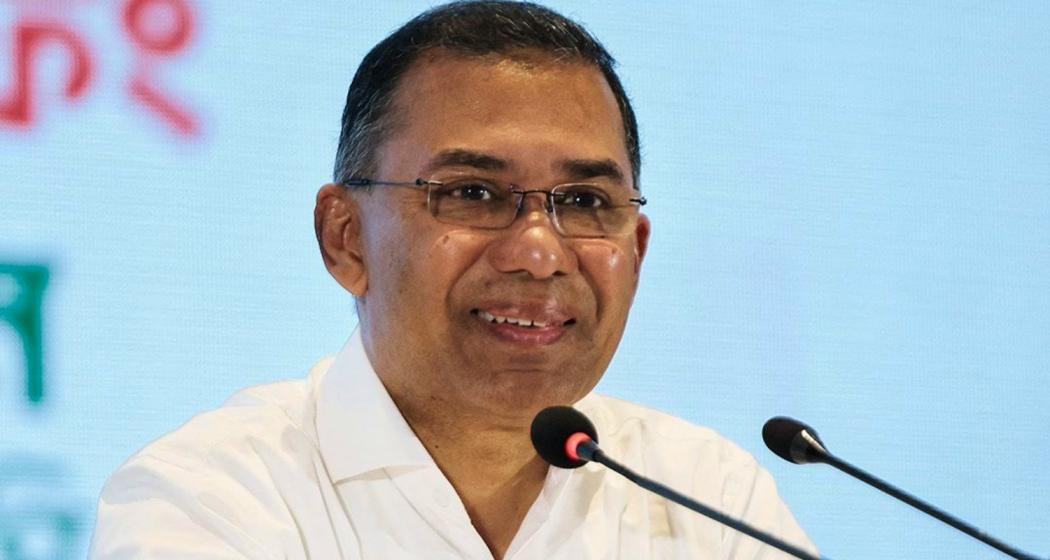
In his first press conference since the Bangladesh Nationalist Party’s sweeping victory, Tarique Rahman made it clear that Bangladesh’s interests and its people would drive the country’s foreign policy.
“The interests of Bangladesh and its people will determine our foreign policy,” Rahman said on Saturday when asked about relations with neighbouring India, signalling a pragmatic, assertive stance following decades of political turbulence.
His aide Humayun Kabir added that while India would be among the first regional partners engaged, domestic priorities would remain paramount. “Obviously there are certain domestic priorities and then international engagements. Of course India will be one of the countries that we will visit among others in the region,” Kabir told the media.
The BNP-led alliance secured a commanding two-thirds majority, winning 212 of 299 seats, ending nearly two decades since Sheikh Hasina’s 16-year rule, which ended amid Gen Z-led protests in 2024. Rahman pledged inclusive governance, economic revival, and strengthened law and order.
Also read: Jamaat surge in Bangladesh polls raises security concerns
Yet, the party did not shy from controversy. Salahuddin Ahmed reiterated calls for Hasina’s extradition from India to face trial, describing it as a matter between foreign ministries.
The BNP also signalled a diplomatic recalibration with India, responding to Prime Minister Narendra Modi’s congratulatory call. The party stressed advancing a “multifaceted relationship, guided by mutual respect, sensitivity to each other’s concerns, and a shared commitment to peace, stability, and prosperity in our region.”
With Modi among the first global leaders to extend congratulations, the coming weeks could define a delicate new chapter — balancing assertive domestic and legal priorities with the imperative of maintaining stable Dhaka-New Delhi ties.

 Follow us