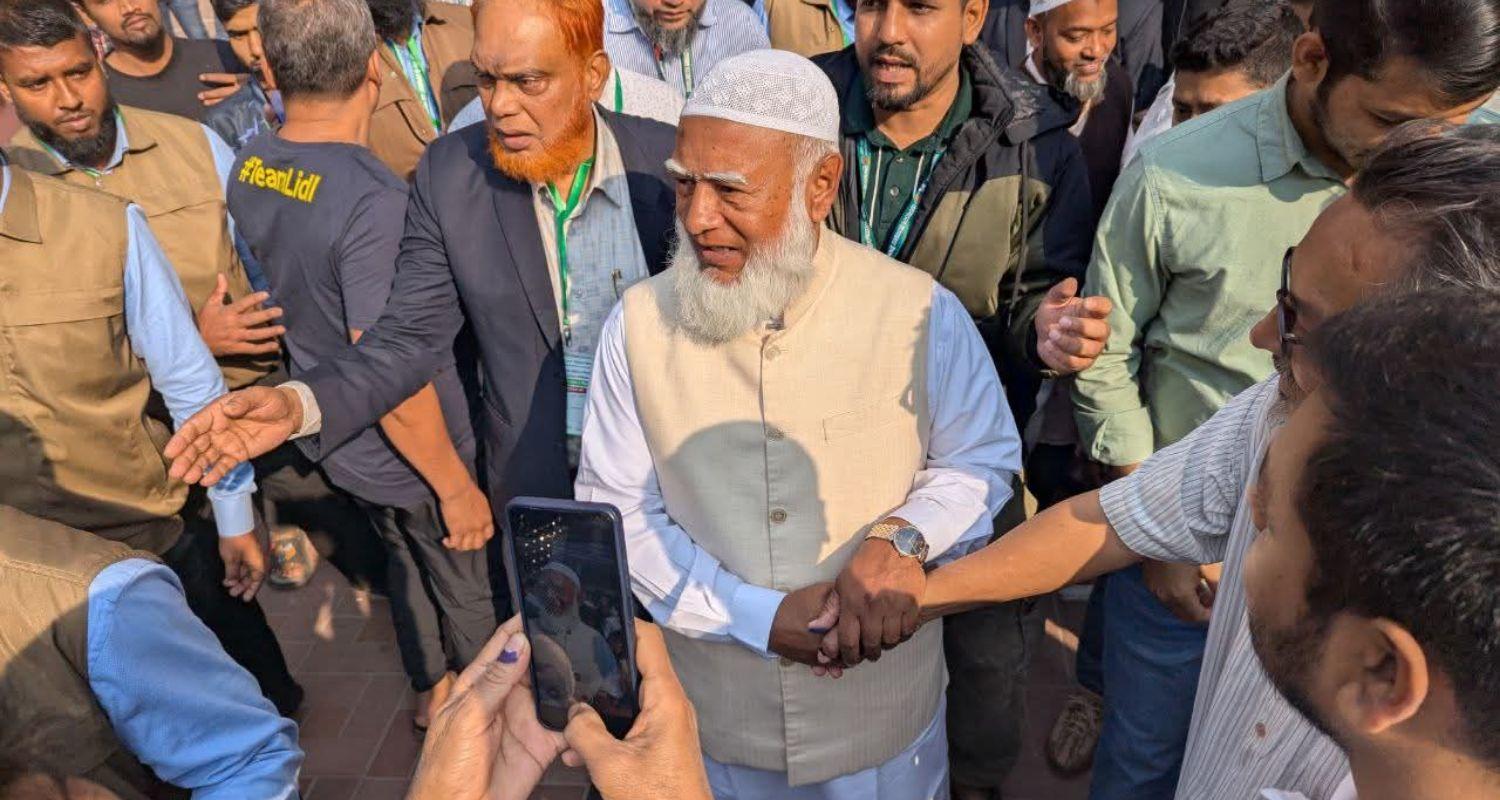
The electoral performance of Bangladesh Jamaat-e-Islami in Bangladesh’s recent parliamentary elections has drawn close scrutiny from Indian intelligence agencies, particularly due to its strong presence in districts bordering India.
According to officials, of the 68 seats won by the Jamaat-led 11-party alliance, as many as 51 were secured in districts adjoining Indian states. These include areas bordering West Bengal, Assam, Meghalaya and Tripura. Intelligence sources describe the trend as worrisome, citing potential implications for social and political mobilisation in these sensitive regions.
Jamaat chief Shafiqur Rahman has publicly spoken of a “respectful and mutually beneficial” relationship with India. However, security officials believe the concentration of victories in border districts raises questions about the party’s long-term strategy and regional influence.
An intelligence officer active in Bangladesh said the party had been working quietly in these districts for years. According to him, the resurgence of Islamist forces was aided by what he termed “misguided” policy decisions by the Awami League, which allowed space for such groups to reorganise and expand their outreach.
The Jamaat recorded multiple wins in districts such as Nilphamari, Rangpur, Kurigram, Gaibandha, Chapainawabganj, Rajshahi, Kushtia, Jhenaidah, Jessore, Khulna and Satkhira, among others. Many of these districts lie directly opposite Indian border areas.
Security analysts note that districts across the border in West Bengal — including Murshidabad, Malda, North 24 Parganas, Siliguri and Cooch Behar — have also witnessed subtle but noticeable socio-political shifts in recent years. While officials caution against drawing direct parallels, they acknowledge that cross-border ideological influences cannot be entirely ruled out.
The Jamaat’s current tally marks a significant improvement over its previous electoral performances. The party had won 18 seats in the 2001 parliamentary elections, when it was allied with the Bangladesh Nationalist Party. Its best-ever showing was in 1991, when, again in alliance with the BNP, it secured 19 seats. The present outcome represents nearly a fourfold increase over its last notable success.
Dhaka-based political analysts attribute the party’s gains in border districts to sustained grassroots outreach, particularly among communities with historical migration links dating back to Partition and subsequent migratory movements in the 1950s and 1960s.
While officials emphasise that electoral outcomes reflect domestic political dynamics within Bangladesh, Indian security agencies are continuing to monitor developments closely, given the strategic sensitivity of the border regions and the broader implications for regional stability.
Also read: 48% vote in Bangladesh polls, counting underway

 Follow us