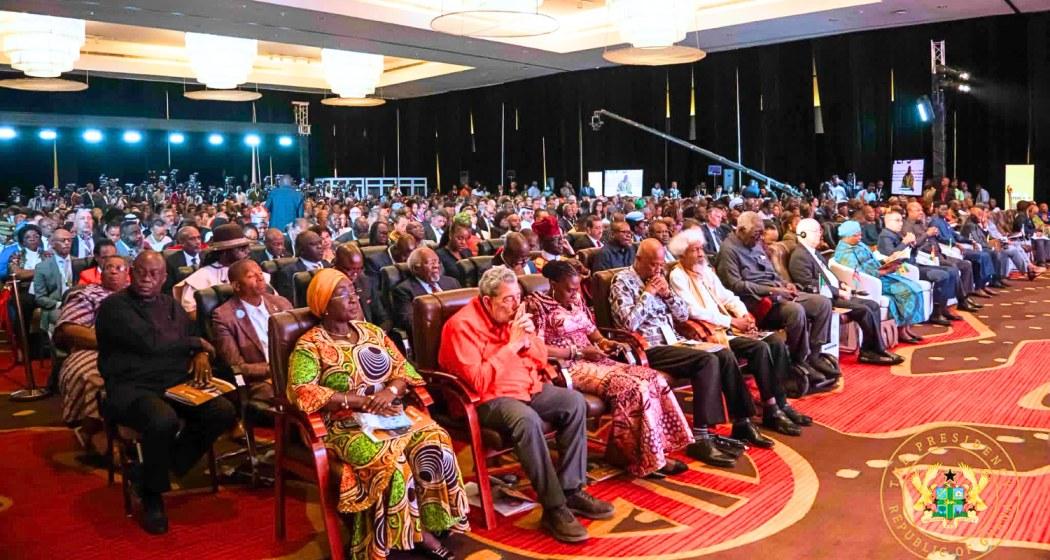
African and Caribbean leaders meeting in Ghana have called on former slave-trading nations to issue formal apologies and provide reparations for the transatlantic slave trade, seeking to build on momentum generated by a recent United Nations resolution that described slavery as "the gravest crime against humanity".
The appeal was made in a declaration adopted at the "Next Steps" conference in Accra on Friday, where delegates urged countries involved in the Atlantic slave trade to offer "full, formal and unconditional apologies" as a basis for reconciliation and reparatory justice.
The conference followed a landmark UN resolution adopted in March. While the resolution is non-binding, organisers said it carries significant moral authority and provides a platform for advancing discussions on compensation and accountability.
Participants said the aim of the Accra meeting was to move the debate beyond recognition of historical injustices and towards practical measures, including efforts to strengthen claims for reparations under international law.
Between the 16th and 19th centuries, an estimated 12 million Africans were forcibly transported across the Atlantic by European traders and enslaved, providing labour that contributed substantially to the economic development of colonial powers and plantation economies.
Addressing delegates from more than 80 countries, Ghana President John Dramani Mahama said the UN resolution had opened a new chapter for engagement on the issue of reparations.
Also read: Centre clears ₹13,000-crore Great Nicobar Airport Project
"We're here because recognition creates responsibility, and because the enduring consequences of this history continue to demand thoughtful, coordinated, and sustained international engagement," Mahama said.
He added that the impact of slavery continues to be felt across Africa, the Caribbean and among African diaspora communities worldwide.
The issue of reparations has gained increasing attention in recent years. At a reparations summit held in Ghana in 2023, participants proposed the creation of a Global Reparation Fund, although details regarding its structure and implementation remain unclear.
Views on reparations remain divided, particularly in countries that could potentially be required to contribute. In the United States, for example, public opinion surveys have shown limited support for direct compensation to descendants of enslaved people.
Advocates argue that reparations should extend beyond direct financial payments and could include development assistance, investments in affected communities and the return of resources acquired during colonial rule.
The Accra declaration is expected to add momentum to international discussions on historical accountability and the long-term consequences of slavery and colonialism.

 Follow us