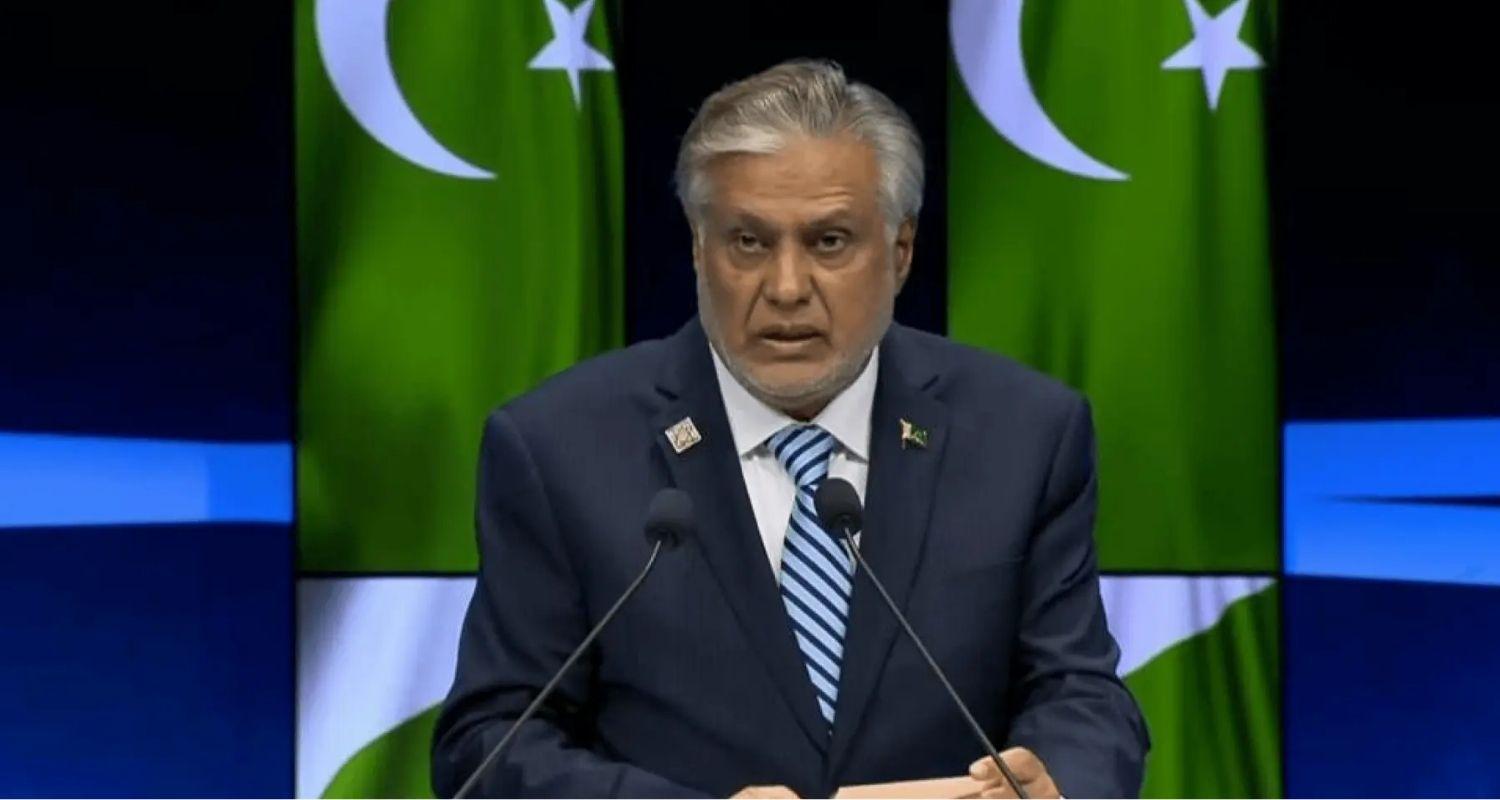
Pakistan's Deputy Prime Minister and Foreign Minister Ishaq Dar has called on the United Nations Security Council (UNSC) to take note of what Islamabad describes as India's violations of the Indus Waters Treaty (IWT), amid continuing tensions between the two neighbouring countries over water-sharing arrangements.
The appeal comes in the backdrop of the suspension of the treaty following the April 2025 terror attack in Pahalgam, Jammu and Kashmir, in which 26 civilians lost their lives. The Indus Waters Treaty, brokered by the World Bank and signed in 1960, has for more than six decades regulated the sharing and utilisation of the waters of the Indus river system and its tributaries between India and Pakistan.
According to Pakistan's Permanent Representative to the United Nations, Asim Iftikhar Ahmad, a letter from Dar was formally delivered to the current president of the UN Security Council, Leonor Zalabata Torres, outlining Pakistan's concerns regarding recent developments related to the treaty.
In a post on X, Ahmad said the communication sought to draw the UNSC's attention to issues Islamabad considers urgent and highlighted concerns over two Indian infrastructure projects associated with the Chenab River, one of the western rivers covered under the treaty framework.
"The letter draws urgent attention of the UNSC" to the matter, Ahmad said, adding that he also briefed the Security Council president on the broader situation in South Asia and Pakistan's perspective on recent regional developments.
The latest move reflects Pakistan's continued efforts to internationalise its concerns over the future of the water-sharing agreement, which has long been regarded as one of the most enduring treaties between the two countries despite several periods of political and military tension.
Also read: Dragon Boat Festival connects China to its past
Diplomatic sources noted that Dar had previously written to the UN Security Council president on the same issue in April, shortly after the treaty was suspended. The fresh communication is seen as a follow-up to those earlier representations and seeks renewed international attention to Pakistan's position.
The Indus Waters Treaty allocates the waters of the eastern rivers—Ravi, Beas and Sutlej—to India, while granting Pakistan rights over the western rivers—Indus, Jhelum and Chenab—with certain provisions allowing India limited usage under specified conditions. Over the decades, disputes relating to hydroelectric and water infrastructure projects have periodically emerged, though the treaty has largely remained intact.
Pakistan has maintained that any actions affecting the flow or management of the western rivers could have significant implications for its water security, while India has argued that its projects comply with treaty provisions and international obligations.
The issue continues to remain a sensitive aspect of India-Pakistan relations, with both sides closely monitoring developments related to the treaty and associated infrastructure projects.

 Follow us