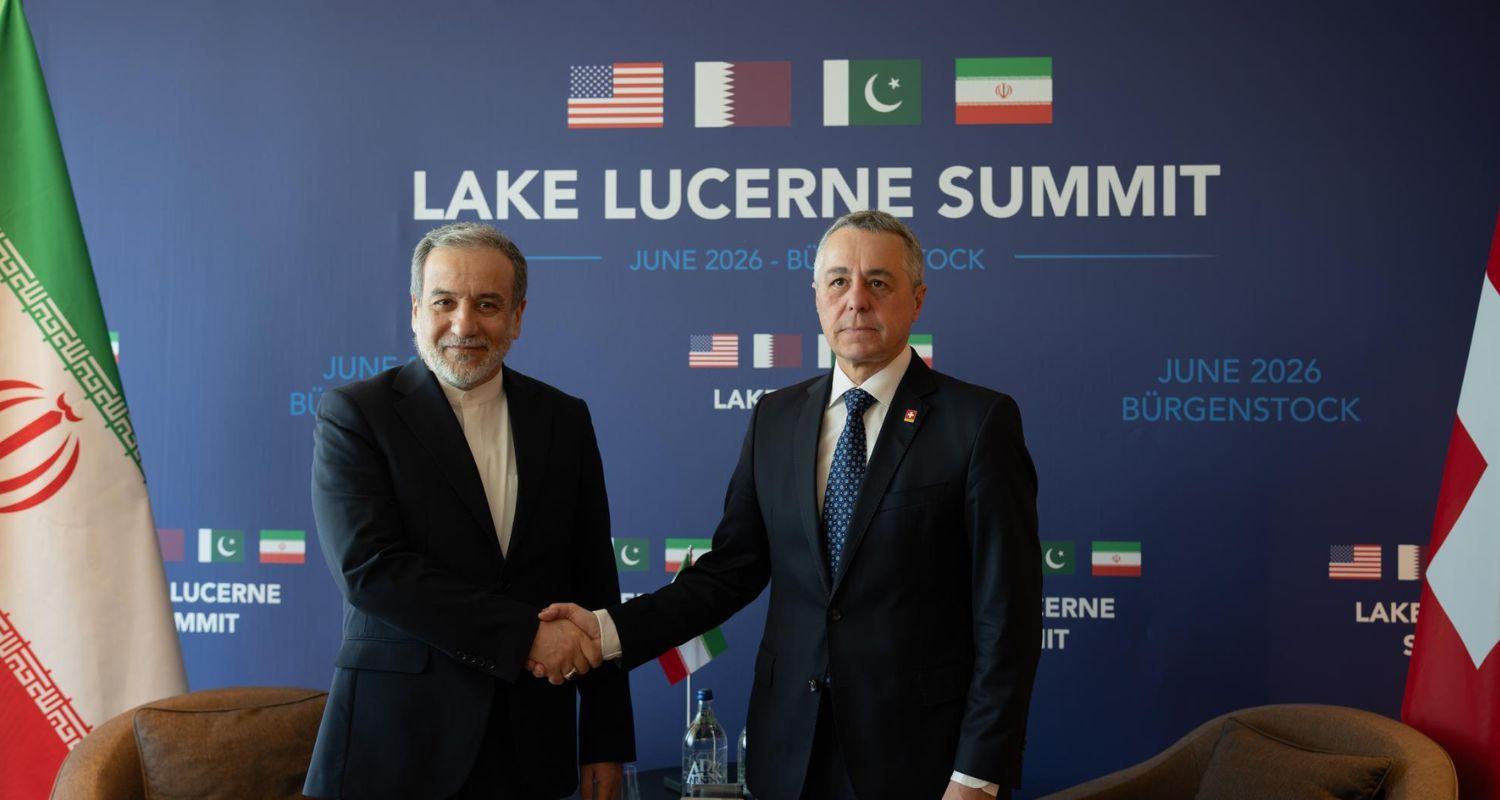
Iran and the United States have agreed to broaden the ongoing peace memorandum through the creation of a de-confliction zone in the Strait of Hormuz.
While both sides announced significant progress made in the peace talks, mediators Pakistan and Qatar said Iran has taken “encouraging steps” on the first day of high-level negotiations in Geneva, Switzerland.
They said the US and Iran have also decided to create “a roadmap for a final agreement to be reached within 60 days”, as well as a “de-confliction cell” to ensure an end to military operations in Lebanon.
The international community has welcomed the positive developments reported in the negotiations between the two countries aimed at ending the 110-day-long conflict in the region.
Earlier, US President Donald Trump had threatened to attack Iran over its support for Hezbollah, but Tehran’s top negotiator Mohammad Bagher Ghalibaf warned the US to be careful with its rhetoric.
A ceasefire in Lebanon now appears to be holding after the US warned Israel to halt all attacks on the country, including in southern Lebanon.
However, Israeli Defence Minister Israel Katz has said that Israeli forces will remain in southern Lebanon as long as necessary.
Iran has stressed that it will not agree to any deal unless all attacks in Lebanon cease.
It appears that Israel does not want a ceasefire to take place between the US and Iran, as has been reported in previous instances.
Tel Aviv has launched a series of attempts to sabotage peace talks in Oman and Qatar. However, Donald Trump appears to have distanced himself from Israel, at least momentarily.
Also read: US-Iran talks begin in Switzerland under Qatar's mediation

 Follow us