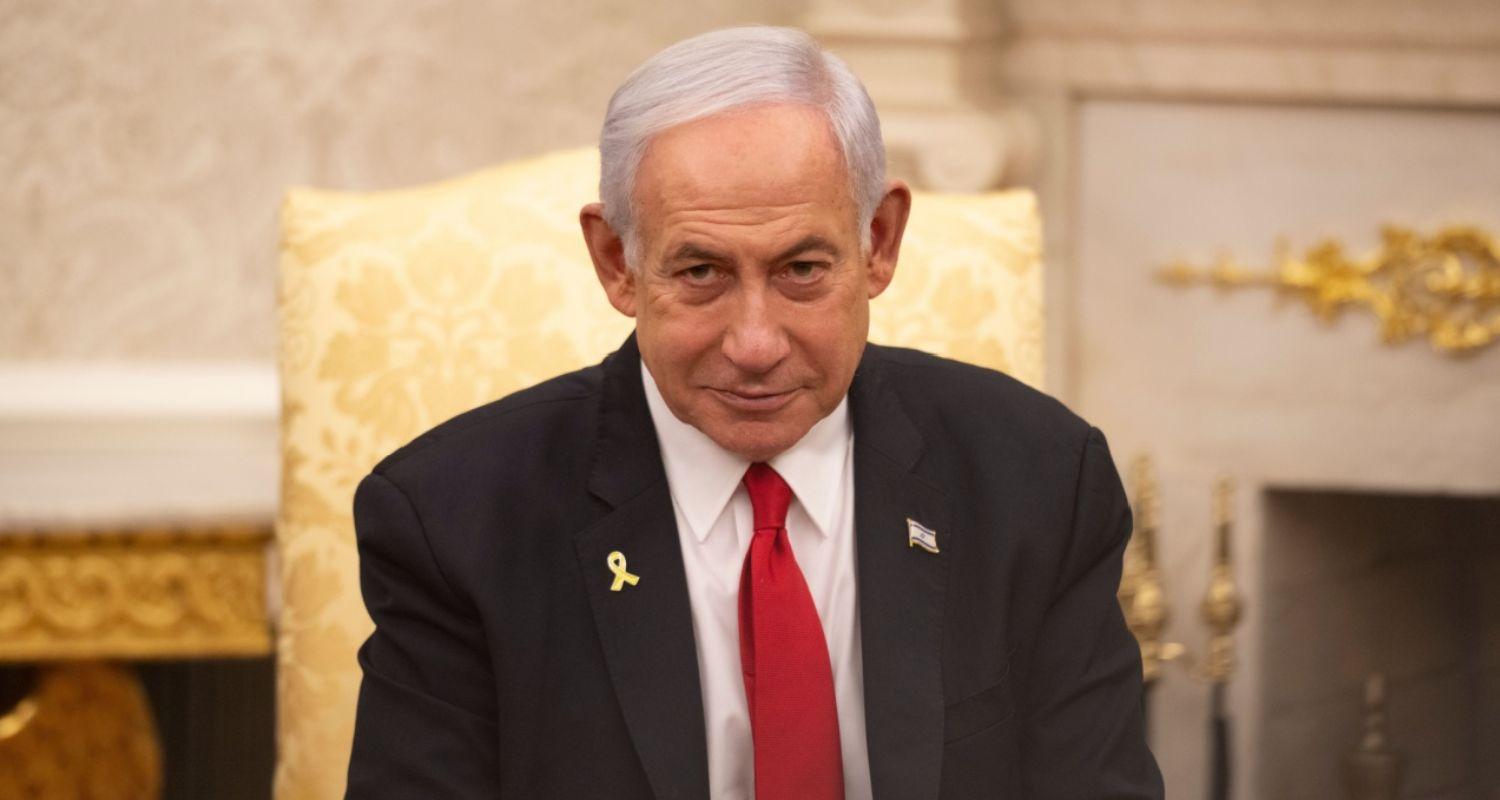
Israeli Prime Minister Benjamin Netanyahu made the confirmation during a direct address on Tuesday that he had talked at length with his "great friend" Modi and thanked him for India’s support during the conflict with Iran, which is entering a dangerous new phase.
Standing amongst the rubble in Beit Shemesh, where an Iranian missile strike on a synagogue recently claimed nine lives, a heavily guarded Netanyahu praised the Indian Prime Minister for "standing for the truth" and lauded the "enormous friendship" between the two nations.
While he kept the finer details of their conversation private, the exchange underscores the deep-rooted trade and defence ties that have come to define the modern Indo-Israeli relationship.
The Prime Minister’s visit to the site of the synagogue bombing served as a backdrop for a broader message to the Iranian public. Netanyahu suggested that the joint US-Israeli campaign — which began with the assassination of Supreme Leader Ayatollah Ali Khamenei on Saturday — is designed to pave the way for a popular uprising in Iran.
"That day is drawing near," he told reporters, echoing President Donald Trump’s recent calls for Iranians to "take back" their country. He presented the military strikes not just as a war, but as a "liberation force" aimed at helping the Iranian people "cast off the yoke of tyranny."
Yet the concept of peace that Netanyahu talks about continues to remain elusive. Just tonight, the Israeli Defence Force (IDF) was again forced to act in defense of their country, shooting down a number of Iranian missiles fired in a new wave of retaliation. While the IDF confirmed that three projectiles were destroyed before impact, the atmosphere remains incredibly tense. Emergency alerts were sent directly to citizens' mobile phones, with authorities ordering the public into bomb shelters until further notice.
Also read: 'No endless war', says Netanyahu as Mideast unrest enters Day 4

 Follow us