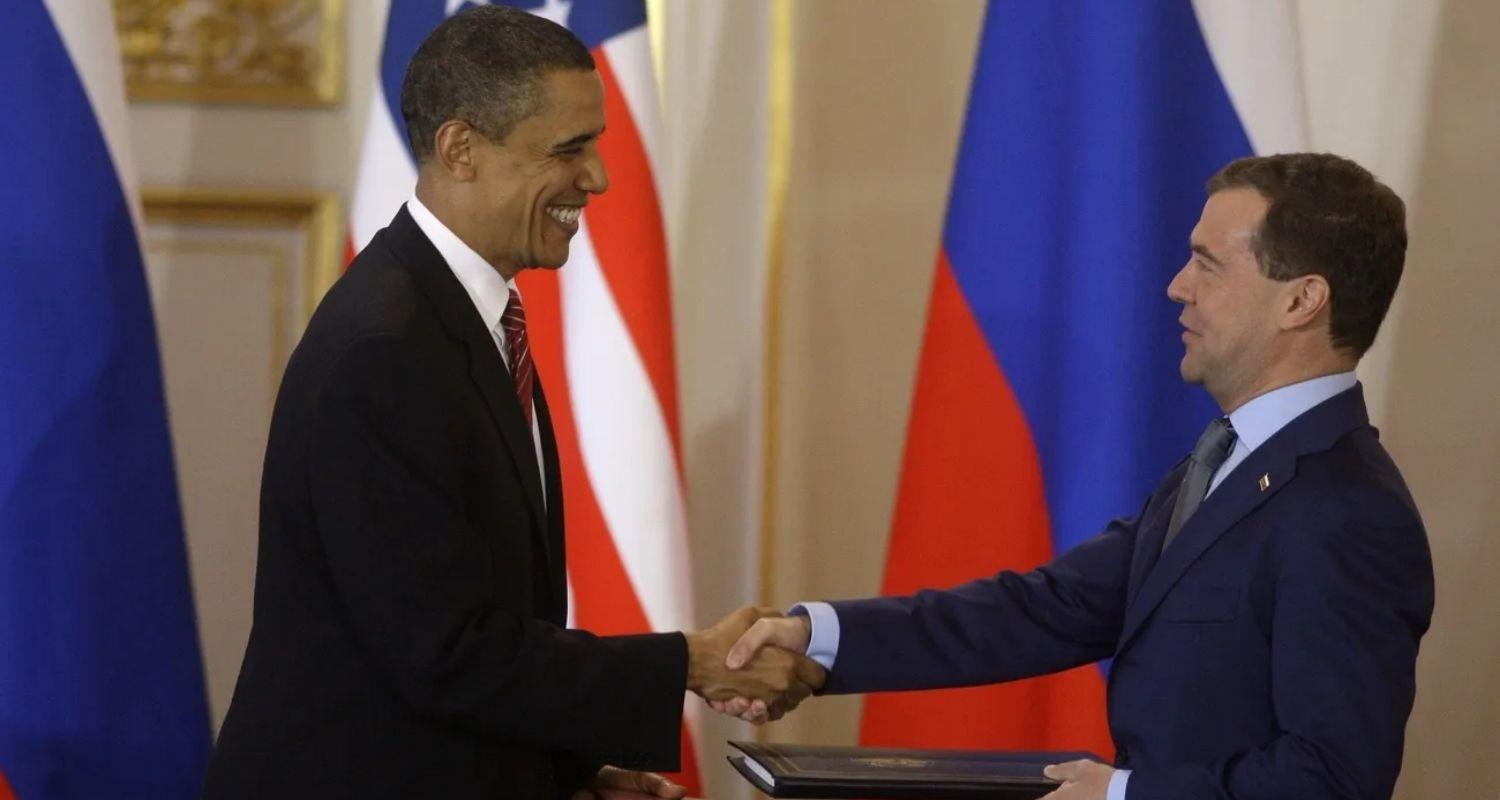
The last remaining nuclear arms control treaty between the United States and Russia expired on Thursday, leaving both nations free to maintain and expand their nuclear stockpiles without conditional limits for the first time in decades.
On its expiry at midnight GMT (7 p.m. EST), the United Nations expressed deep concern, warning that a risk of nuclear arms-use is now higher than ever before.
UN Secretary-General António Guterres said the treaty’s expiration is a “grave moment for international peace and security”, and implored both countries to return to negotiations without delay, especially at a time when “the risk of a nuclear weapon being used is the highest in decades.”
Also known as the ‘New START’ treaty, it was signed by the world’s two largest nuclear-weapon states in 2010 and capped both sides at 1,550 deployed strategic nuclear warheads.
Meanwhile, the Russian Foreign Ministry affirmed on Wednesday that Moscow would act responsibly, but warned that it would take “decisive” measures if its security is threatened.
Also Read: US-Russia ‘New START’ nuclear treaty to expire; its fate unknown
White House officials, on the other hand, announced plans to continue adhering to the treaty’s limits beyond the expiration date. US Secretary of State, Marco Rubio, said on Wednesday that President Donald Trump would decide on the treaty’s future later this year, adding that “it is impossible to do something that doesn’t include China due to their expanding nuclear programme and stockpile”.
Trump has repeatedly called for China to be included in any future arms control framework – an idea that Beijing has strongly rejected and Moscow deemed unnecessary.
In a video call on Wednesday with Chinese President Xi Jinping, Russian President Vladimir Putin discussed the treaty’s expiration and reiterated Moscow’s commitment to “act in a balanced and responsible manner” while remaining “open to searching for ways of negotiations to ensure strategic stability,” according to Kremlin.
On Thursday, German Foreign Minister Johann Wadephul urged China to show restraint in the development of its nuclear arsenal.
Pope Leo XIV also expressed apprehensions, and urged the countries “not to abandon this instrument without seeking to ensure that it is followed up concretely and effectively”.

 Follow us