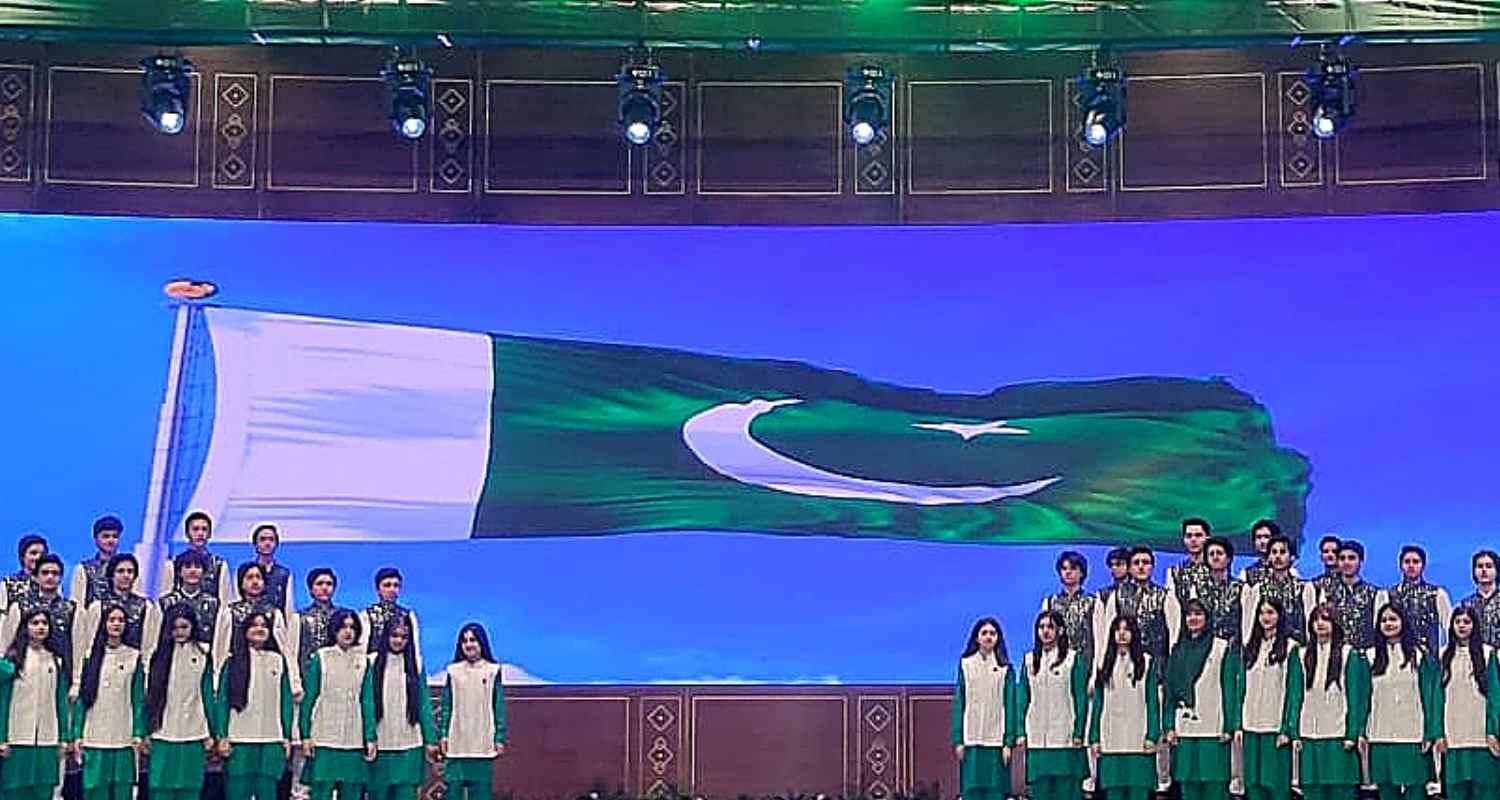
Pakistan is celebrating its 80th Independence Day today with flag-hoisting ceremonies, a military parade, and public gatherings across major cities. The date originates from the partition of the Indian subcontinent in 1947. The Indian Independence Act, passed by the British Parliament, designated August 15, 1947, as the official transfer-of-power date for both dominions.
Pakistan, however, observes Independence Day on August 14. The choice reflected practical and ceremonial considerations at the time, including the need for Quaid-e-Azam Muhammad Ali Jinnah to assume office and the sequencing of events as power was transferred.
In Pakistan, President Asif Ali Zardari and Prime Minister Shehbaz Sharif led the main ceremony in Islamabad.
Similar events were held in provincial capitals, with armed forces contingents participating and fireworks scheduled for the evening. Officials described the day as a reaffirmation of national sovereignty and unity.
The celebrations took place against the backdrop of Pakistan’s steadily expanding footprint in West Asia.
Over the past several years, Islamabad has deepened economic, energy and defence cooperation with key Gulf States, including the significant Mecca defence pact. Bilateral trade with the United Arab Emirates and Saudi Arabia has risen, supported by Pakistani labour exports, joint infrastructure projects and new investment frameworks.
Defence ties, encompassing training programmes and equipment collaboration, have also expanded. Recent diplomatic activity has featured high-level visits and agreements focused on energy security, food exports and skilled manpower.
Analysts note that these links provide Pakistan with greater economic resilience and diplomatic space in a region undergoing rapid geopolitical shifts.

 Follow us