Less than a year ago, United States company Colossal Biosciences announced it had “resurrected” the dire wolf, a megafauna-hunting wolf species that had been extinct for 10,000 years.
Within two days of Colossal’s announcement, Interior Secretary of the US, Doug Burgum, used the idea of resurrection to justify weakening environmental protection laws: “pick your favourite species and call up Colossal”.
His reasoning appeared to confirm critics’ fears about de-extinction technology. If we can bring any species back, why protect them to begin with?
In a new study published in Biological Conservation, researchers put this idea to the test. They found no evidence people will accept extinction more readily if they’re promised de-extinction. But it’s important to communicate about de-extinction efforts with care.
The ‘moral hazard’ of de-extinction
Since the emergence of de-extinction technology, critics have argued it potentially undermines support for conserving existing species.
In other words, de-extinction technology poses a “moral hazard”. This is a situation in which someone is willing to behave in riskier ways than they would otherwise, because someone or something else will bear the cost or deal with the consequences. Behaving recklessly because you have health insurance is a classic example.
The moral hazard of de-extinction technology is that if we believe extinct species can be brought back, we may be more willing to let species go extinct in the first place.
This concern mirrors debates in other areas of environmental policy. For example, critics of carbon capture and solar radiation modification worry that believing we can later fix climate change may weaken the incentive to reduce emissions now. However, most studies investigating this claim found these technologies don’t reduce people’s support for also cutting back carbon emissions.
Also read: De-extinction of dire wolves, reality or myth?
A latest study is the first to investigate whether de-extinction technology reduces people’s concern about the extinction of existing species.
What researchers found
Researchers presented 363 people from a wide range of backgrounds with several scenarios. These described a company doing something that yields an economic or public benefit, but results in the extinction of an existing endangered species.
For example, in one scenario a company intended to build a highway for a new port through the last habitat of the dusky gopher frog, a critically endangered species. The construction would lead to the frog’s extinction.
There were two versions of each scenario, differing in how the company would compensate for the species’ extinction.
In the “environmental compensation” version, a large investment would be made to preserve other species. In the “de-extinction” version, de-extinction technology would be used to reintroduce the DNA of the extinct species into a related species at a later date.
For each scenario, people were asked: did they think the project was good for the public? Was the species extinction justified? Did compensation make the company less blameworthy for causing the species extinction? Should we allow projects like this one in the future?
Finally, in cases where de-extinction was proposed, researchers asked if the respondent believed the companies’ claims that genetic engineering could be used to successfully recreate the extinct species.
A warning against spin
Researchers found no evidence that proposing de-extinction makes people more accepting of extinction than compensation for environmental destruction would.
Therefore, moral hazard alone is not a reason to outright reject the ethical deployment of de-extinction technology. Further, overemphasising potential but unsubstantiated hazards of de-extinction research may undermine the development of effective tools for preserving current species.
Researchers did, however, find one reason for caution.
There was a correlation between a person’s belief that de-extinction could resurrect the species and the belief that causing its extinction would be acceptable.
Also read: Is it a dire wolf? Defining a species is a scientific question
This is a correlation, so researchers can’t tell which belief comes first. It could be that these people already think extinction is justified to gain access to economic benefits, and then adopt the view that de-extinction is possible to excuse that belief.
A more worrying possibility is the reverse: believing that de-extinction is possible could have led to these individuals viewing extinction as acceptable. A strong belief in de-extinction’s success could either act as an excuse for extinction, or a reason for extinction.
This creates a major risk if those who develop de-extinction technology overstate or mislead the public about what this tech can achieve.
Avoid misleading claims
It’s crucial the companies and scientists working on de-extinction efforts communicate accurately and without hype. Claims that de-extinction can reverse extinction are misleading. Genetic engineering can introduce lost traits from an extinct species into a closely related living species and restore lost ecological functions, but it can’t re-create the extinct species.
Problems arise when companies present these limits cautiously within the scientific community but make stronger claims in public-facing communication.
Doing so encourages the false belief that extinction is fully reversible. This risks undermining the ethical justification for any de-extinction efforts.
This risk can be avoided. For example, the de-extinction project attempting to restore aurochs (ancient cattle) to Europe clearly states it’s creating aurochs 2.0. It’s an ecological proxy for the extinct species, not the species itself.
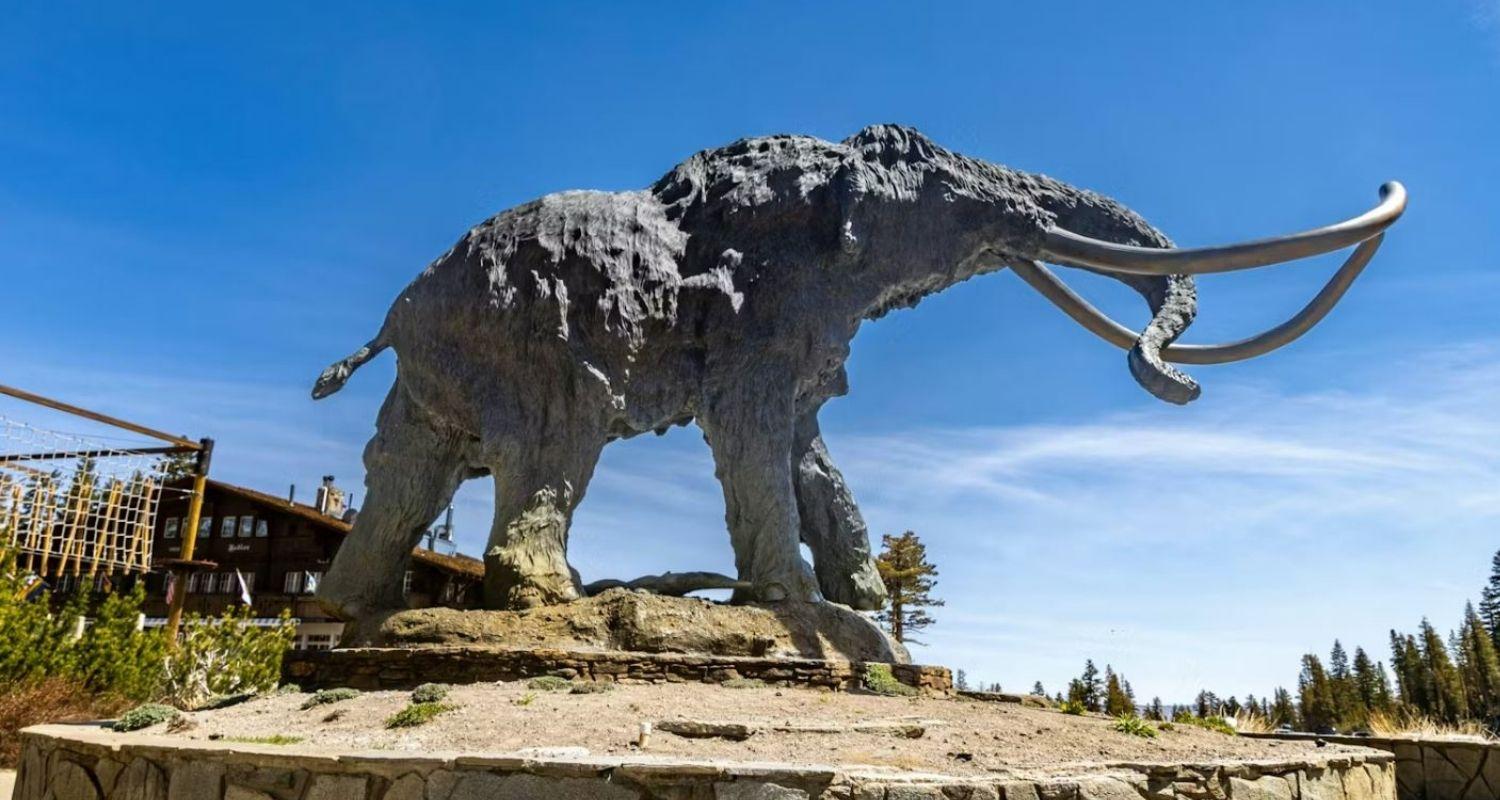
Colossal Biosciences attracts widespread controversy for publicising its projects, which include “resurrection” of the woolly mammoth, the dodo, and the thylacine.
Results show claims that de-extinction will necessarily create a moral hazard are unjustified.
However, de-extinction advocates bear a burden to be cautious and clear in their communication about what their technology offers–and what it can’t do.
Via The Conversation

 Follow us