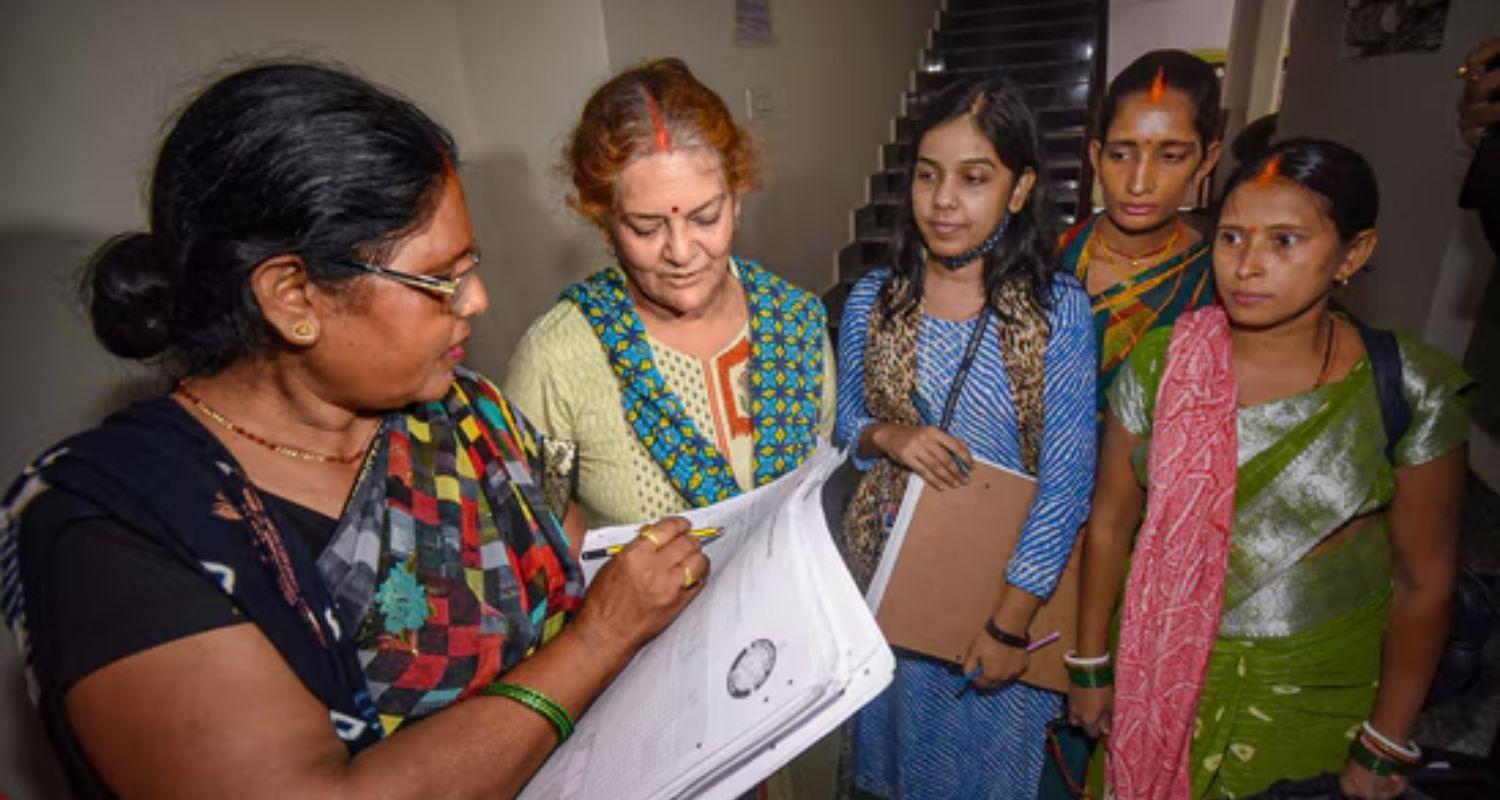
The upcoming Census 2027 is all set to do away with the conventional clipboards and carbon paper and go for a completely digital process, which will be made possible through the Census Management and Monitoring System (CMMS). This specially designed website will be the digital hub of what is perhaps the largest administrative exercise in the world, converting a massive headcount into a seamless, near-real-time process.
By replacing paper forms with handheld devices and geotagged mapping, the CMMS will allow over three million enumerators to capture and transmit household data instantly. Registrar General of India Mrityunjay Kumar Narayan has described the shift as a "transformative step", which aims at cutting down the years it usually takes to compile and validate national data. Beyond just counting people, the system’s web-based mapping will help officials precisely delineate boundaries, using spatial data to ensure no household is missed or counted twice.
The Union Cabinet has cleared a budget of ₹11,718 crore for the project, which notably includes caste enumeration for the first time. Citizens will also have the option to self-enumerate online. Originally intended for 2021 but delayed by the pandemic, the exercise will kick off with house-listing from April to September 2026, followed by the actual population count in February 2027.
To keep the workload manageable, the RGI has instructed that villages and wards be carved into "houselisting blocks," typically covering 700 to 800 people. For the first time, these blocks will be created and assigned entirely through the CMMS portal, ensuring a level of logistical precision that was simply impossible in the era of paper maps.
Also read: Centre activates CAA process in WB ahead of polls

 Follow us