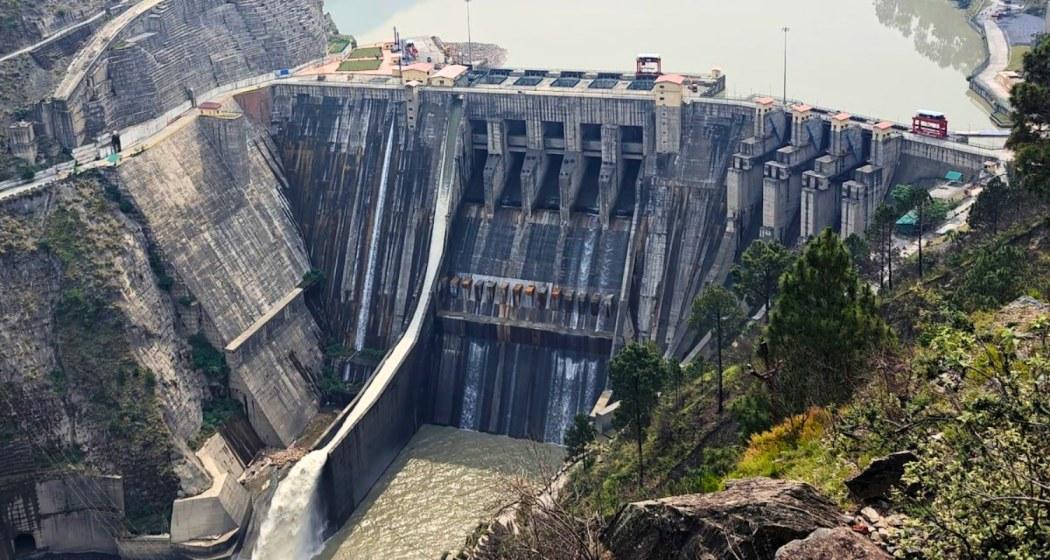
The Centre has fast-tracked the Sawalkot Hydroelectric Project on the Chenab river in Jammu and Kashmir, moving to accelerate construction after suspending the Indus Waters Treaty with Pakistan amid heightened geopolitical tensions.
State-run National Hydroelectric Power Corporation has floated a ₹5,129-crore tender for the construction of the project in Ramban district, marking a renewed push to harness India’s share of waters under the Indus river system.
Planned on the Chenab, the Sawalkot project is designed to generate 1,856 MW of electricity, making it one of the largest hydroelectric ventures in the region. The move is being seen as part of a broader strategy to maximise utilisation of river waters allocated to India.
The bid submission process for the dam, tunnels and allied works will open on March 12 and close on March 20. As per tender conditions, bids will remain valid for 180 days, while the total completion period has been fixed at 3,285 days, indicating a multi-year construction timeline.
Also read: Indus water talks stall as India rejects Hague arbitration
The project, which has been under consideration for several years, is expected to significantly augment power generation capacity in Jammu and Kashmir and strengthen electricity supply to the national grid once completed.
In addition to energy output, the project is projected to generate employment and spur infrastructure development in Ramban district, where the main components of the construction are planned.
India suspended the Indus Waters Treaty with Pakistan in April last year following the terror attack in Pahalgam that killed 26 people, triggering a sharp escalation in bilateral tensions.
Under the 1960 treaty, India exercises control over the eastern rivers, Ravi, Beas and Sutlej, while Pakistan receives the bulk of waters from the western rivers, Indus, Jhelum and Chenab, with India retaining limited rights for non-consumptive use on the western rivers.

 Follow us