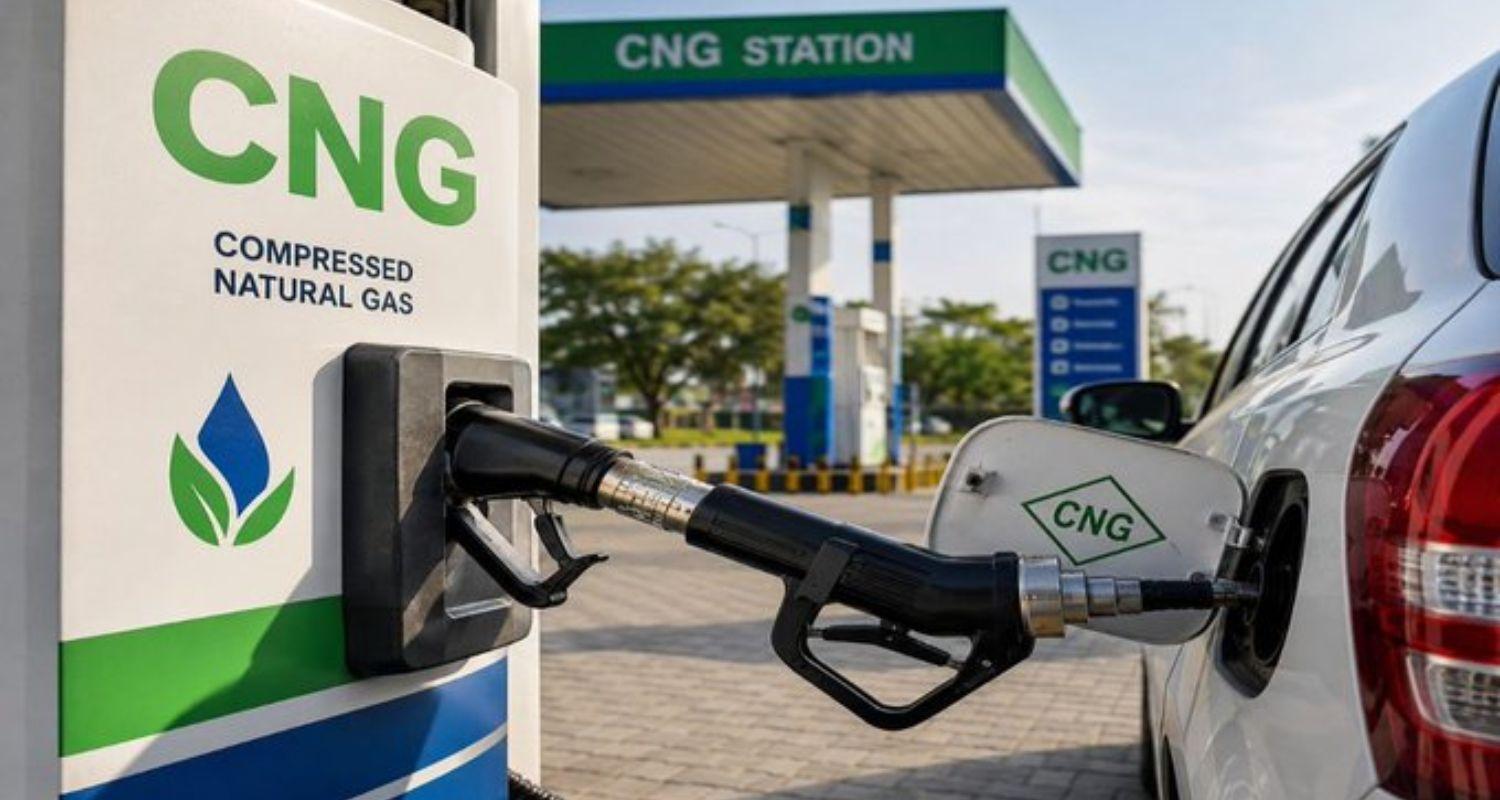
Delhi residents are facing another financial blow as CNG prices were raised yet again on Tuesday, marking the fourth increase in under two weeks against a backdrop of surging global energy costs. Taking effect from 6 am on May 26, the latest revision pushes the cost of CNG in the capital up by ₹2 to ₹83.09 per kg. This represents the third price hike in the last nine days alone, and the fourth within an 11-day window. It follows a ₹1 per kg increase on Sunday, another ₹1 hike on Friday, and an initial ₹2 jump on May 15, bringing the cumulative increase since mid-May to a steep ₹7 per kg. Fortunately for households, there has been no corresponding change to the prices of piped natural gas or domestic LPG cylinders for the time being.
This relentless upward trajectory comes as state-owned oil marketing companies face immense pressure to pass the burden of soaring international oil prices onto consumers. Industry insiders trace the surge directly to fears of major disruptions along the Strait of Hormuz — a vital global shipping artery — driven by the ongoing conflict between the United States and Iran. The geopolitical friction in the Gulf region has caused massive volatility in international crude markets; Brent Crude is currently trading at around USD 86 per barrel, a sharp climb from the USD 72 benchmark seen before the Middle Eastern conflict erupted on February 28.
The squeeze on CNG follows hot on the heels of a nationwide hike in petrol and diesel rates just three days prior. According to the media, petrol prices went up by 87 paise per litre and diesel by 91 paise per litre on Saturday. In Delhi, this pushed petrol to ₹99.51 per litre, up from ₹98.64, whilst diesel climbed from ₹91.58 to ₹92.49 per litre. These adjustments have gone ahead despite recent assurances from the Petroleum Ministry that India maintains completely adequate fuel supplies, dismissing market rumours of impending shortages.
Because local taxes and levies vary across different states, actual retail prices differ across the country. However, the impact is felt universally, given that the domestic retail market is overwhelmingly dominated by three state-run giants — Indian Oil Corporation, Bharat Petroleum Corporation Limited, and Hindustan Petroleum Corporation Limited — which together command nearly 90 per cent of fuel sales.
International crude rates have ballooned by more than 50 per cent since late February, worsened by US-Israeli military actions against Iran and the lingering threats to the Strait of Hormuz. While fuel retailers had initially held back from raising retail prices — a move the government previously defended as a necessary shield to protect ordinary citizens from inflationary shocks — the financial strain of absorbing these costs has clearly broken through.
The consecutive hikes are bound to pile fresh financial misery onto commuters, businesses, and transport operators. Market analysts warn that these repeated adjustments will inevitably drive up logistics and transport expenses, which will almost certainly translate into higher retail prices for groceries, food items, and other essential commodities. Even so, government officials have doubled down on the necessity of the hikes, arguing that allowing prices to rationalise is the only way to balance ballooning crude import bills and guarantee a stable, uninterrupted energy supply. With India relying on imports for nearly 85 per cent of its crude oil requirements, the country's domestic economy remains deeply vulnerable to global market shocks and maritime bottlenecks.
Also read: Petrol, diesel prices surge for 4th time

 Follow us