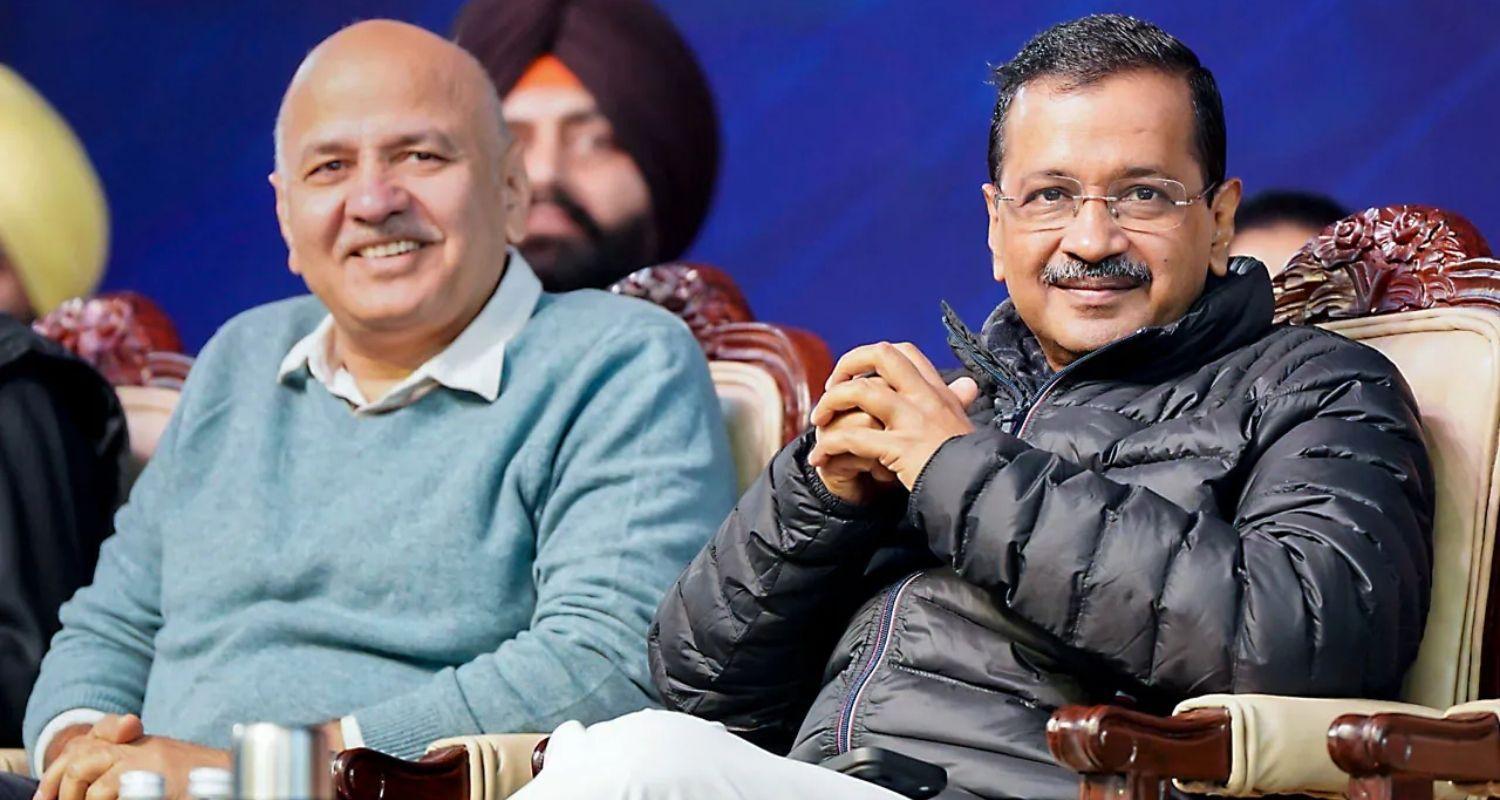
The Delhi High Court on Wednesday said it will hear on May 4 the Central Bureau of Investigation (CBI) petition challenging a trial court order that discharged former Delhi chief minister Arvind Kejriwal, his deputy Manish Sisodia and 21 others in the liquor policy case.
Even as the AAP leaders boycotted the proceedings before Justice Swarana Kanta Sharma, the court granted them one final opportunity to submit their replies.
After Justice Sharma dismissed their applications seeking her recusal on April 20, Kejriwal and Sisodia earlier this week wrote to her stating they would neither appear in person nor through legal representation, and would instead follow Mahatma Gandhi’s path of Satyagraha.
Former AAP MLA Durgesh Pathak also submitted a similar letter to the court on Wednesday. During the hearing, Justice Sharma noted that the complete trial court record, including the most recent orders, had not yet been received, and therefore deferred the matter to May 4. “We will just call for the record and start hearing from Monday,” she said, directing that the documents be summoned by the next day.
Also read: Delhi Police bust fake visa, overseas job racket; 3 held
The court observed that while several parties had filed their responses, some of the discharged accused had yet to do so. It granted them a final opportunity, directing that replies be submitted by Saturday.
Additionally, the court issued notice to the CBI on an application filed by one of the discharged accused seeking to vacate the interim stay order passed on April 9. Solicitor General Tushar Mehta, representing the CBI, informed the court that a reply would be filed.
The bench also scheduled for May 4 a petition by the Enforcement Directorate (ED), which has sought the removal of certain ‘unwarranted’ remarks made against it in the trial court’s ruling.
On February 27, the trial court discharged Kejriwal, Sisodia and 21 others, observing that the case could not withstand judicial scrutiny and stood entirely discredited. Later, on March 9, Justice Sharma’s bench stayed the trial court’s recommendation to initiate departmental action against the CBI’s investigating officer.
While issuing notice on the CBI’s plea against the discharge, the High Court had remarked that certain findings of the trial court at the stage of framing of charges appeared prima facie erroneous and required further examination.
Subsequently, Kejriwal, Sisodia and other respondents sought the judge’s recusal, citing alleged conflict of interest and apprehension of bias. They argued that the judge’s children were empanelled as central government lawyers and received work through Solicitor General Tushar Mehta, who is representing the CBI in the excise case.
On April 20, Justice Sharma rejected the recusal plea, stating that judges cannot step aside merely to address unfounded concerns of bias raised by litigants.
Durgesh Pathak, along with Vijay Nair and Arun Ramchandra Pillai, had also sought her recusal in the matter.

 Follow us