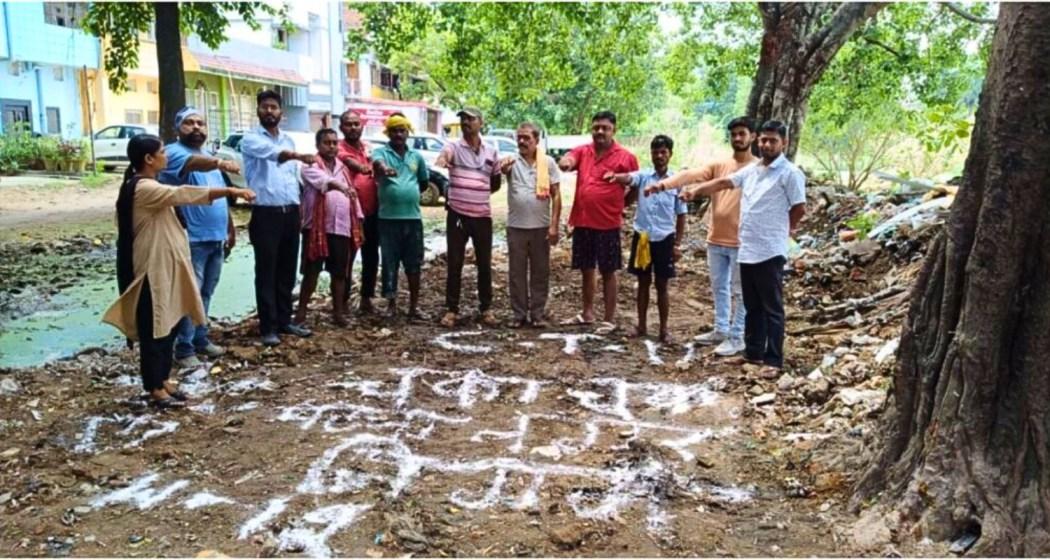
A quiet but growing shift in urban India is turning ordinary citizens into active participants in civic governance, with community-led initiatives on cleanliness and waste management gaining momentum from Patna to Pune.
Across cities, residents are no longer limiting themselves to complaints over civic issues. Instead, they are taking responsibility into their own hands, leading cleanliness drives, promoting waste segregation and building local systems for recycling and reuse.
In Patna, youth-led groups such as the Being Helper Foundation have been conducting regular cleanliness drives at public spaces like Sanjay Gandhi Jaivik Udyan and Digha Ghat. Volunteers say their work is not limited to removing garbage but also involves awareness-building among citizens, children and local communities.
“We must also take responsibility. Instead of throwing waste in the open, we should dispose of it properly. A clean environment benefits everyone,” said volunteer Shubham Kumar.
One of the key initiatives in the city is the “Bottle Bank” concept, where used plastic bottles are collected and sent for recycling instead of ending up as waste in public spaces. Students visiting public areas have also joined the awareness push, stressing the link between cleanliness and public health.
“If we spread garbage, it can lead to diseases. A clean city means healthier people,” said student Neha Kumari.
In Pune, a parallel citizen-driven effort is reshaping waste management practices through the initiative “Swachh Kalyani Nagar”. What began as a small group of volunteers has now expanded into a larger movement combining fitness with civic responsibility, where residents pick up waste while jogging in neighbourhoods.
Also read: Arunachal NGO clears 1,800 kg of waste from Yagamso River
A key component of the initiative is a Recycling and Reuse Centre that initially focused on e-waste collection but has now developed into a structured dry waste management system in coordination with the Pune Municipal Corporation.
Volunteer Anuj Chordia said the group ensures proper segregation of plastic, glass and other materials before handing them over for scientific disposal.
“We segregate waste and ensure proper disposal in coordination with civic authorities,” he said.
Another volunteer, Surya Pawar, said the movement has grown rapidly over time. “We began with 7–10 people. Today, thousands have joined us, and the movement is expanding across the country,” he said.
Weekly drives in both cities are not only cleaning public spaces but also strengthening community bonds and shared responsibility. Organisers say the aim is to normalise civic participation beyond government action.
The initiatives in Patna and Pune reflect a broader shift in urban India, where civic sense is increasingly being shaped by citizen action rather than only policy or enforcement.
As these local efforts expand, they highlight how small, consistent actions—from picking up litter to segregating waste—are gradually evolving into a wider movement for cleaner and more responsible cities.

 Follow us