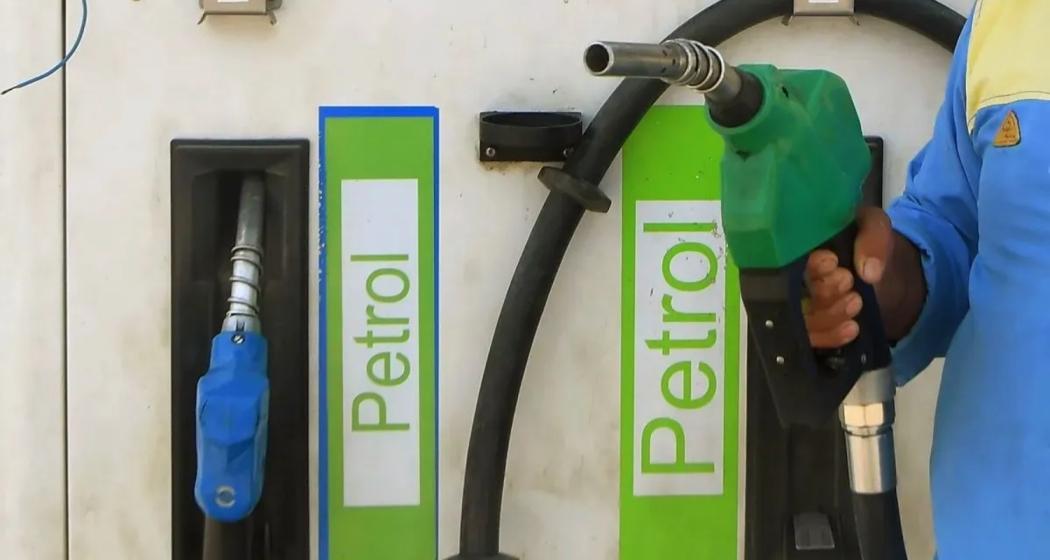
The Centre on Saturday strongly defended its E20 ethanol-blended petrol policy, claiming it protected consumers from a sharp spike in fuel prices during the recent Iran conflict by insulating them from soaring global crude oil prices.
In a detailed statement, the Ministry of Petroleum and Natural Gas said petrol prices in Delhi would have risen to nearly ₹125 per litre when the Indian crude basket touched around USD 135 per barrel during the US-Iran conflict. Instead, consumers paid about ₹94.77 per litre because 20 per cent of every litre of petrol consisted of domestically produced ethanol.
The government said the disruption followed Iran's blockade of the Strait of Hormuz, a key global shipping route through which nearly one-fifth of the world's oil and gas supplies pass. It argued that ethanol blending helped shield Indian consumers from international price volatility and reduced dependence on imported crude oil.
Also read: Commercial LPG prices fall; no change in domestic LPG
Calling ethanol blending "India's energy insurance", the government said the policy was not a taxpayer subsidy but a strategic measure that reduced the country's exposure to global energy shocks. India currently imports nearly 85 per cent of its crude oil requirements.
The Centre's clarification comes amid growing criticism of the E20 programme from opposition parties, consumer groups and owners of older vehicles, many of whom have alleged lower fuel efficiency and higher maintenance costs. While acknowledging that E20 can reduce mileage, the government maintained that the overall economic and energy security benefits outweigh the drawbacks.
The ministry also rejected allegations that subsidised foodgrains meant for welfare schemes were being diverted for ethanol production. It said only surplus foodgrains, including damaged grain and broken rice unfit for human consumption, are used to manufacture ethanol, ensuring there is no compromise on food security.
The government said ethanol blending not only strengthens India's energy security but also supports farmers, reduces import dependence and cushions consumers against future global oil price shocks.

 Follow us