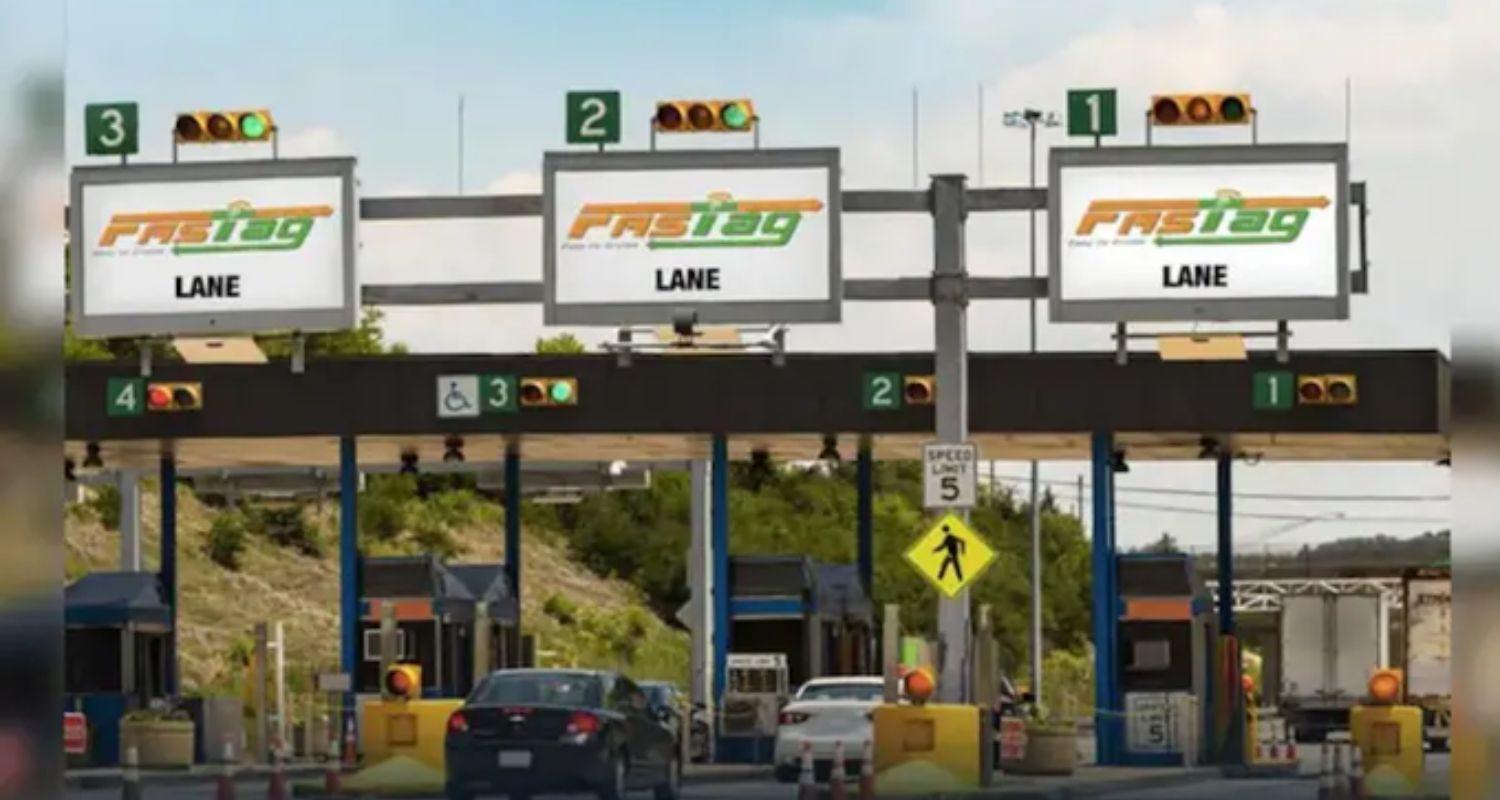
From 10 April, travel on India’s highways is set to become an entirely digital affair as the NHAI moves to phase out cash transactions at toll booths. Alongside this shift, the authority is tightening rules around toll exemptions and encouraging the wider use of the FASTag Annual Pass, aiming to make long-distance commutes quicker and more efficient for regular road users.
In a significant update for motorists, the NHAI has confirmed that cash payments will no longer be accepted at toll plazas from 10 April. FASTag will continue to be the main means of charging tolls; however, in the case where a car does not have a FASTag, then UPI will become the obligatory alternative. It is anticipated that this move will greatly help in reducing traffic by easing traffic congestion, especially during rush hours, which is often considered one of the biggest complaints.
For motorists who do not have their FASTags activated, paying toll using UPI will be an option, but it will come at an extra cost. Motorists opting for this will face a surcharge, with the toll set 25 per cent higher than the standard rate, making a functional FASTag the only cost-effective choice for frequent travellers. Under the current National Highways Fee Rules, authorities have the power to deny entry to anyone refusing both FASTag and UPI payments. Furthermore, an e-notice may be issued for unpaid dues; if these remain settled after three days, the amount owed can double.
Another major change involves the end of informal toll waivers previously granted to those using government identity cards in private vehicles. In future, only those cars which are eligible for this exemption and come under 'Exempted FASTag' will be allowed free passage. The idea behind it is to avoid any misuse of exemption and minimise the conflicts between motorists and the staff members of toll plaza.
The updated regulations also place a renewed focus on the FASTag Annual Pass, now priced at ₹3,075 for private, non-commercial vehicles. This pass covers up to 200 crossings or stays valid for one year, whichever comes first. For those who commute regularly between cities, this offers a much more economical alternative to paying individual tolls at multiple plazas.
Passes can be applied for and renewed by motorists using digital means like the Rajmarg Yatra application, or via the websites of NHAI and Ministry of Road Transport and Highways. To enable the pass, all one has to do is log into his/her FASTag enabled account, add his/her vehicle number and mobile number and then pay the required fee via UPI, debit/credit card or net banking. The pass will then get activated on its own through the vehicle's FASTag, typically within 24 hours.
Also read: FASTag annual pass fee raised to ₹3,075 from April 1

 Follow us