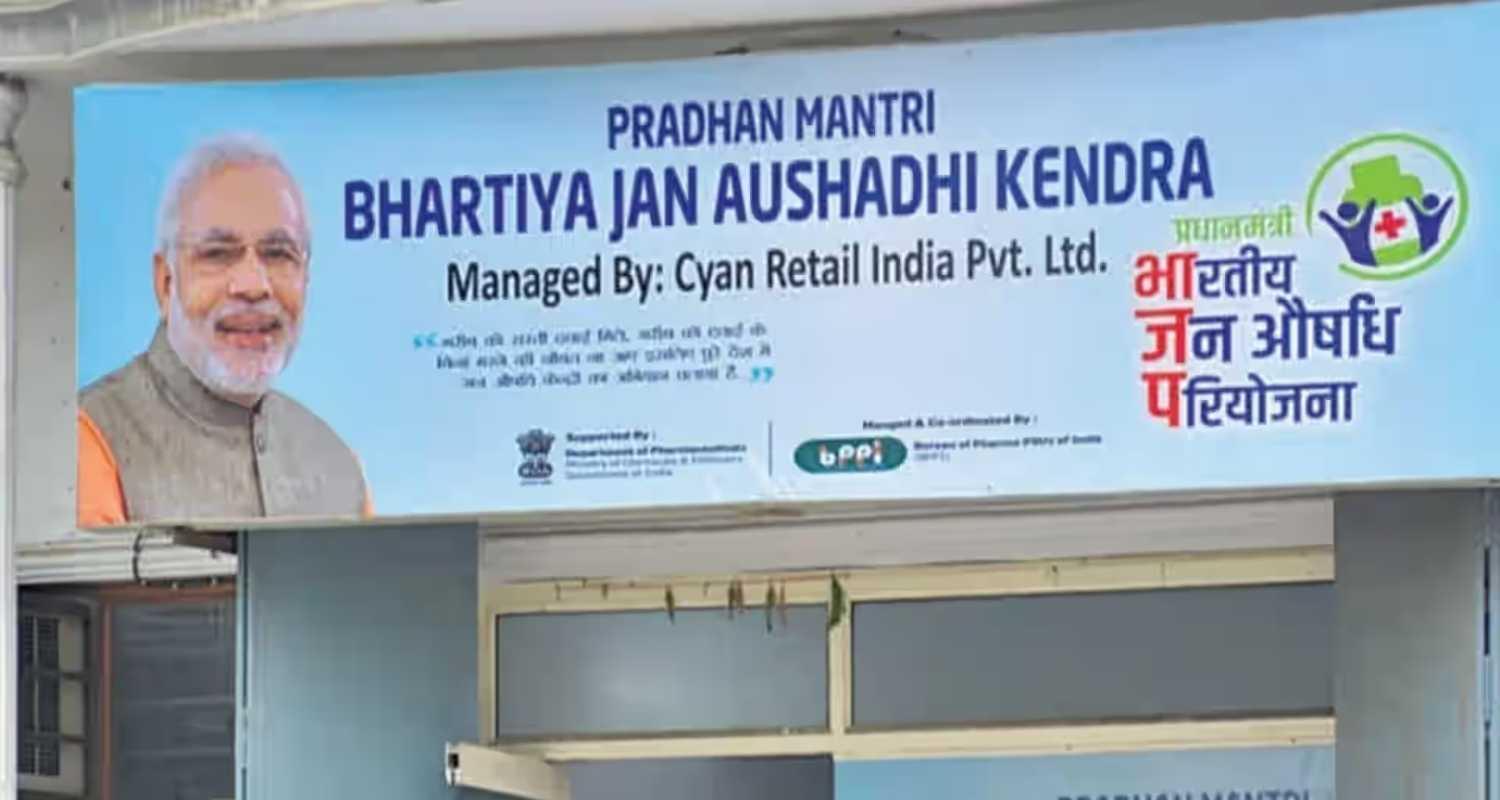
The Indian government has announced a target to expand the network of Jan Aushadhi Kendras to 25,000 across the nation by March 2027. This initiative aims to significantly enhance the availability of high-quality generic medicines at affordable prices, as stated by the Ministry of Chemicals and Fertilizers in its communication to Parliament.
As part of the Pradhan Mantri Bhartiya Janaushadhi Pariyojana (PMBJP), there were 17,610 Jan Aushadhi Kendras functioning throughout India as of November 30, 2025. This represents a remarkable increase from merely 80 stores operational in 2014. The consistent growth in the number of these outlets demonstrates rising public awareness, greater trust in the quality of Jan Aushadhi medicines, and enhanced economic sustainability for the kendra operators.
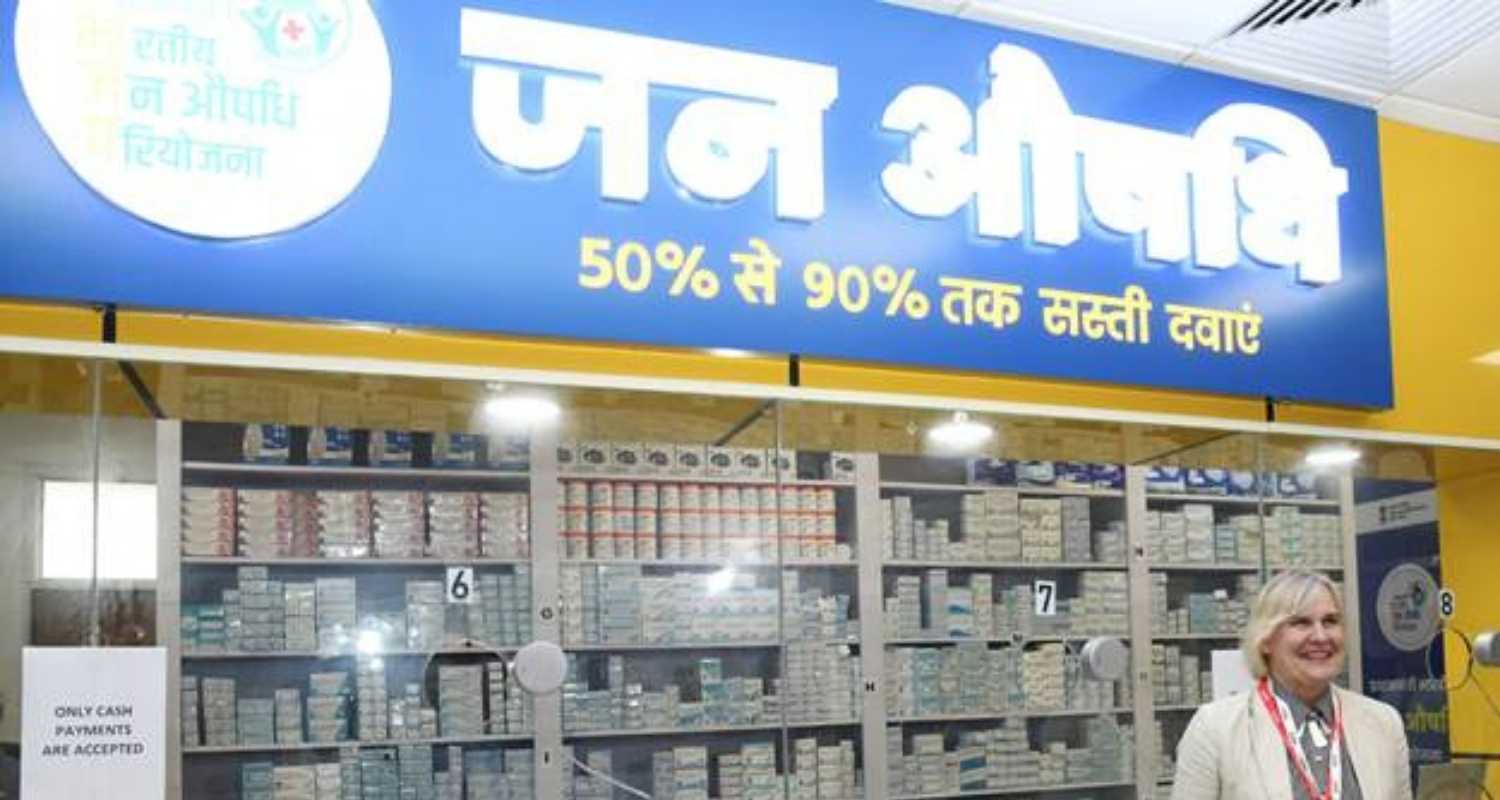
The government highlighted that the surging demand for cost-effective generic medicines has driven substantial increases in both sales volumes and the range of products available under the scheme. In the previous financial year, the count of Jan Aushadhi Kendras grew by 37 per cent, while the maximum retail price value of sales under the PMBJP rose by 38 per cent. These figures underscore the robust momentum and expanding impact of the programme.
Also Read: New Seeds Bill won’t apply to farmers, says government
Jan Aushadhi Kendras are established following applications received from a diverse group of applicants, including individual entrepreneurs, non-governmental organisations, societies, trusts, firms, and private companies. Interested parties can submit their applications online via the official Janaushadhi portal, facilitating widespread participation from various regions of the country, such as states including Andhra Pradesh.
The core objectives of the scheme include guaranteeing access to superior-quality medicines at low costs, lowering the out-of-pocket expenses incurred by citizens on healthcare, and promoting entrepreneurship by ensuring that running a Jan Aushadhi Kendra is a viable and financially rewarding venture.
These details were furnished by Union Minister of State for Chemicals and Fertilizers, Anupriya Patel, through a written response to a query raised in the Rajya Sabha.
Also Read: SHANTI Bill tabled: Your cheat sheet on India’s nuclear reform

 Follow us