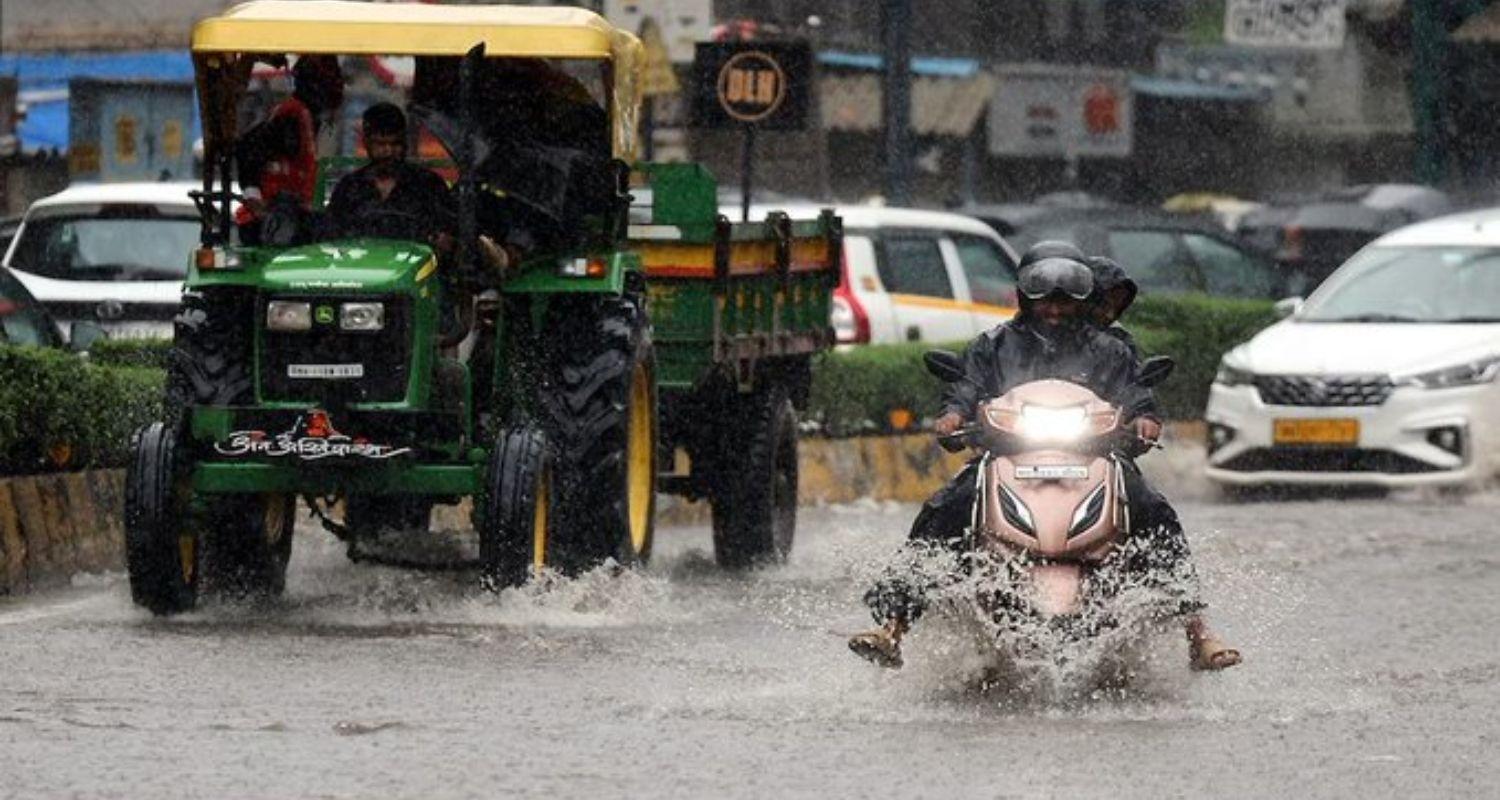
India is preparing itself for below-average monsoons for this year with a forecast of "below normal" rains says Skymet, a private weather forecasting agency. This is mainly due to the presence of El Niño climate pattern that will keep rain away during the crucial latter half of the monsoon period.
According to Skymet’s latest assessment, total rainfall is projected to reach just 94 per cent of the long-period average, which stands at 868.6 mm. While the private agency has put its cards on the table, the official word from the India Meteorological Department (IMD) is still pending, with its first formal forecast expected to be released next week.
However, the importance of a favorable monsoon cannot be overstated since it is responsible for providing almost 70 per cent of the water needed for the entire year. It is vital to an agriculture industry that continues to hold a key role in the economy of the country and employs about half the 1.4 billion population of India. Farmers are particularly reliant on the rains arriving on time; the bulk of summer-sown (kharif) planting, including staples like rice and soya beans, takes place during the initial surge in June and July.
Under normal circumstances, the monsoon makes its debut in Kerala around 1 June, gradually sweeping across the subcontinent to cover the entire country by mid-July. However, the anticipated return of El Niño — characterised by unusually warm sea surface temperatures in the Pacific — often acts as a dampener for Indian rains. On the other hand, its antithesis, La Niña, tends to usher in the cool seas and strong winds needed to create a stronger monsoon.
Also read: 1,000-km cloud band triggers storm alert over North India

 Follow us