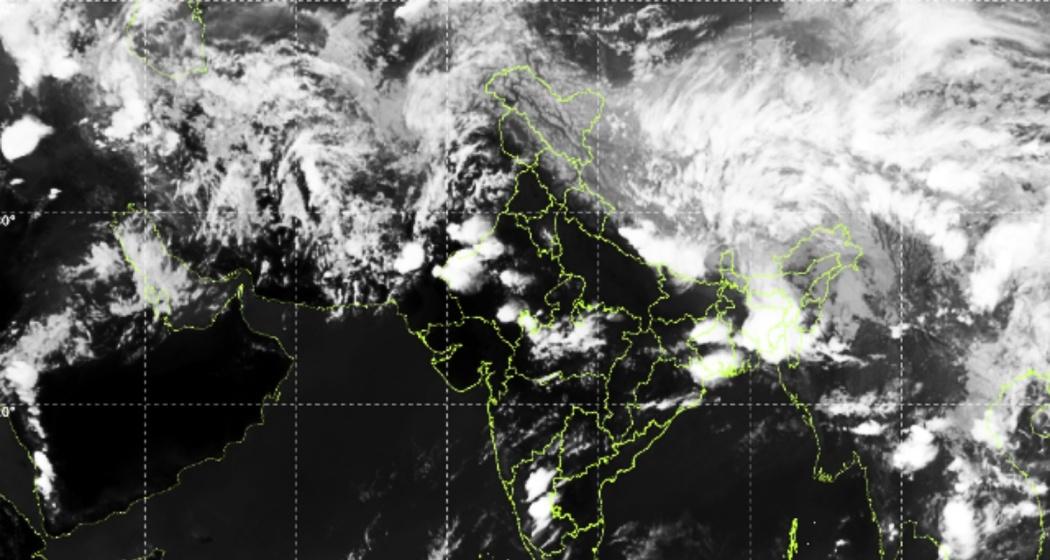
A series of back-to-back Western Disturbance is set to impact large parts of north India over the coming days, bringing dust storms, thunderstorms and rainfall that could ease the ongoing heatwave, according to the India Meteorological Department.
After days of extreme temperatures across the region, meteorological assessments indicate that the first signs of change may appear from the evening of April 27. Weather activity is expected to intensify between April 28 and April 30, affecting Delhi, Punjab, Haryana and parts of Rajasthan.
Western disturbances are moisture-bearing systems that originate in the Mediterranean region and travel eastwards, influencing weather patterns across north India. During peak summer, their arrival can disrupt prolonged heat spells by bringing cloud cover, gusty winds and precipitation.
Experts say the current sequence of disturbances could provide a much-needed break from soaring temperatures, which have remained well above seasonal averages in recent days. Forecasts suggest that temperatures in some areas may drop below the 42°C mark from April 29 onwards, offering partial relief.
However, meteorologists caution that the cooling effect will depend on the intensity and duration of rainfall. While a dip in temperatures is likely, it may not mark a definitive end to summer heat conditions.
Also read: Punjab, Chandigarh reel under intense heatwave
Dust storms are expected to precede or accompany rainfall activity. These storms, driven by strong winds lifting loose soil, can reduce visibility and disrupt normal life. They are often followed by sudden showers, which help bring down temperatures.
The IMD has warned of possible localised disruptions due to strong winds and thunderstorms. Reduced visibility during dust storms could affect road traffic, while gusty winds may lead to minor damage in vulnerable areas. Residents have been advised to remain cautious during periods of intense weather activity.
The current development is being closely monitored, as such back-to-back western disturbances during an intense heatwave phase are relatively uncommon. Their combined impact could temporarily alter the weather pattern across north India.
For millions facing scorching conditions, the anticipated rain and cloud cover may provide significant, if short-lived, relief. Weather experts note that even a modest drop in temperature can reduce heat stress and improve overall comfort levels.
If forecasts hold, the coming days could mark a brief but important transition in north India’s weather, breaking the intensity of the ongoing heatwave and bringing a spell of cooler conditions before temperatures rise again later in the season.

 Follow us