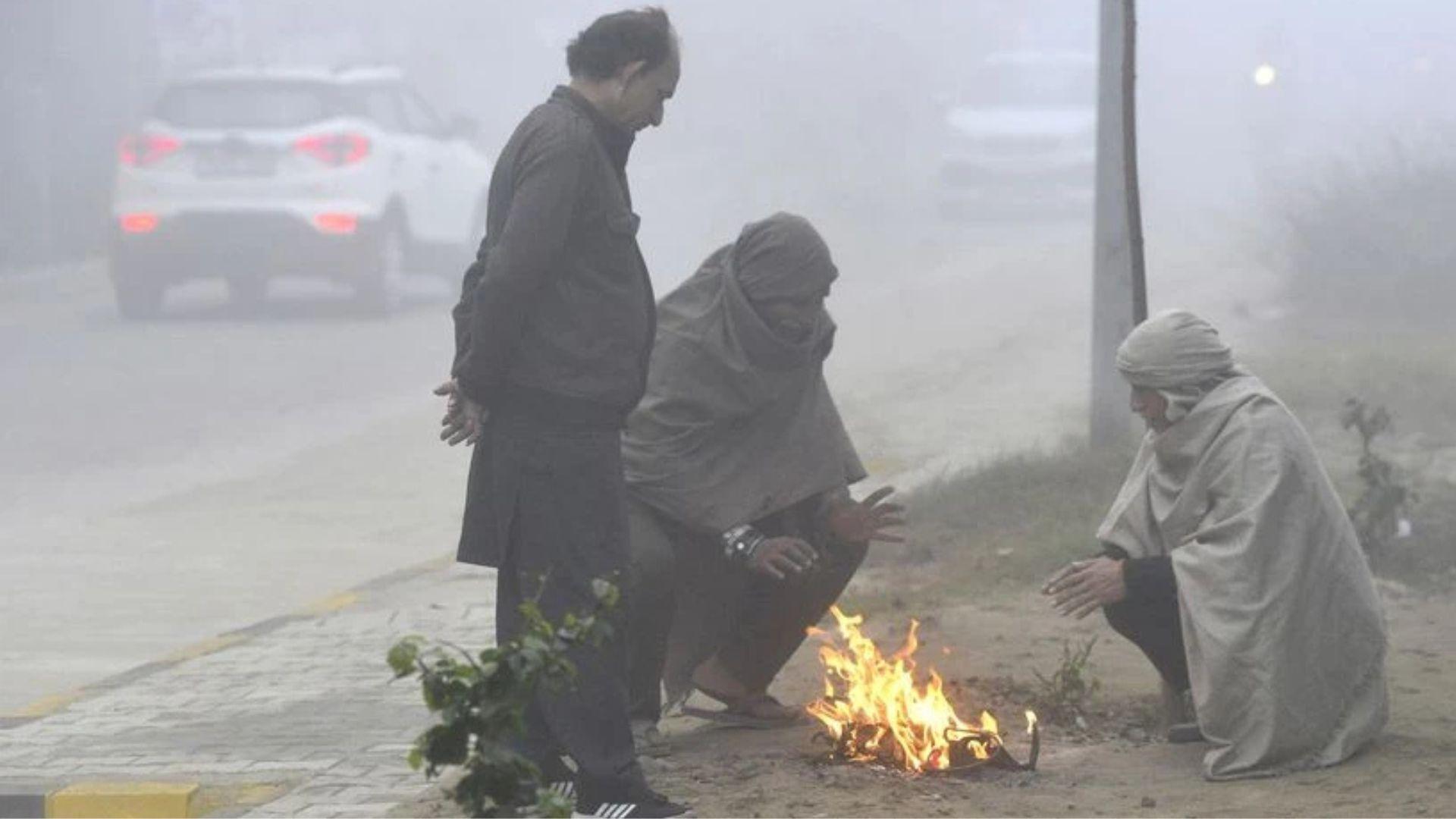
In the biting cold of winter across North India, space heaters have become silent killers, claiming lives through suffocation, carbon monoxide poisoning, and fires. Recent tragic cases have been reported from Delhi, Punjab, Bihar, and Jammu and Kashmir, with several deaths occurring over the past month.
In Punjab's Tarn Taran, a young couple — Arshdeep Singh (21) and his wife Jashandeep Kaur (20) — along with their month-old infant Gurbaz Singh, died of asphyxiation from fumes. This happened after they slept in a room with a brazier (angeethi) while all doors and windows were closed, police reported on Sunday.
Coal-based traditional ‘desi’ heaters are not the only danger. People use various heating devices, including electric ones, to fight the harsh cold — but this has resulted in deaths from suffocation, carbon monoxide poisoning, and heater-related fires in multiple incidents over the past month.
A Trail of Tragedies
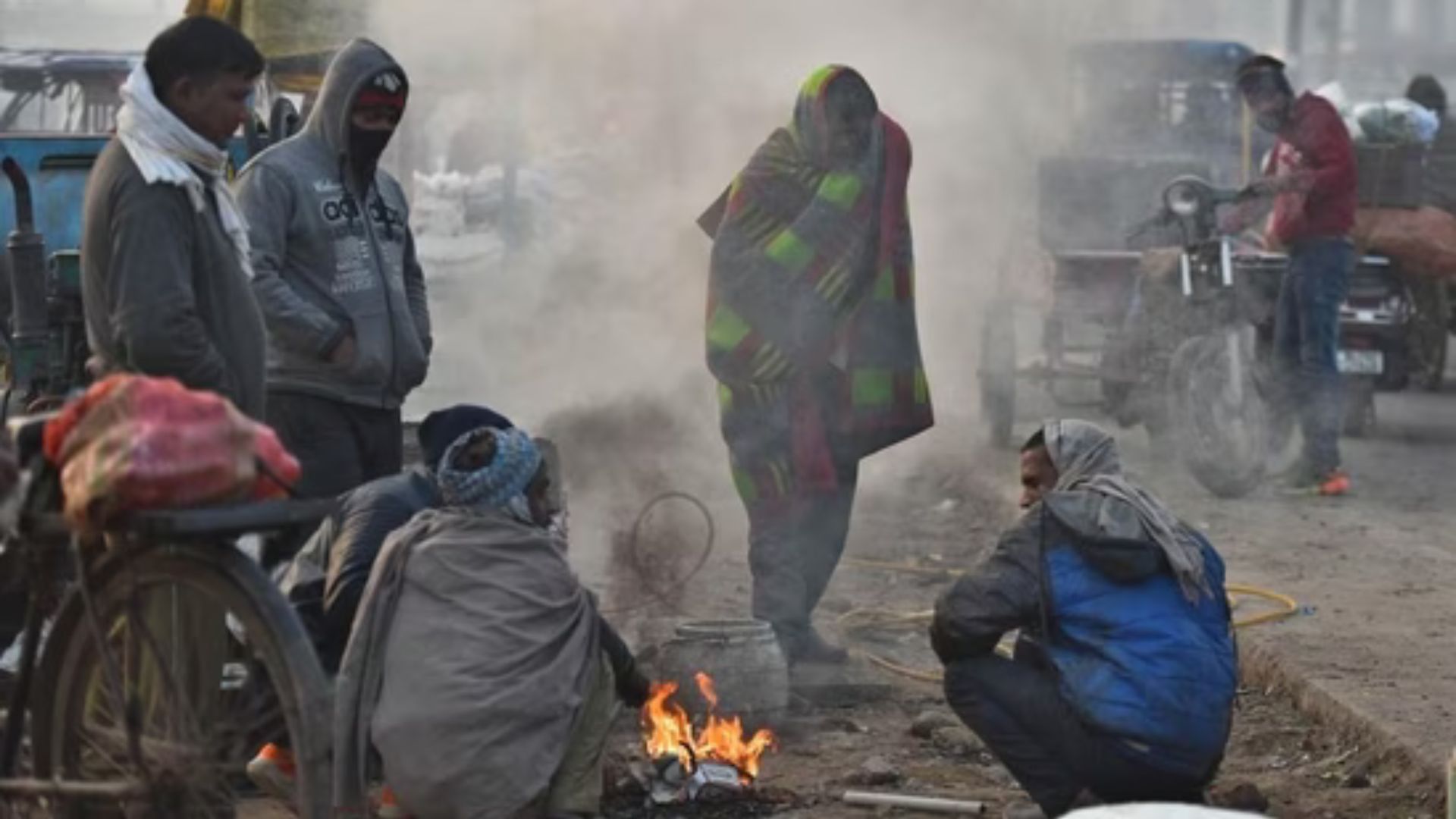
From high-rise apartments in Delhi to remote villages in Bihar and homes in the Kashmir Valley, improper use of heaters and traditional braziers is wiping out entire families while they sleep. Recent weeks have seen a sharp rise in these fatal incidents.
In Delhi’s Mukundpur area, a family of three died in a fire last Tuesday: Ajay Vimal (45), an engineer with the Delhi Metro Rail Corporation (DMRC), his wife Neelam (38), and their 10-year-old daughter, Jahnvi. Police suspect the room heater exploded or caused a short circuit, filling the room with smoke that knocked them unconscious before flames spread. Neighbours found the victims on their bed with no signs of struggle. Ajay’s sister shared that the family had recently gathered for a meal together.
In Bihar's Gayaji, a 60-year-old grandmother, Meena Devi and her two grandchildren (aged 6 and 5) died from suffocation in a closed room where a brazier (angeethi) was lit to keep warm.
A similar tragedy occurred in Srinagar, where chef Aijaz Ahmad Bhat (37), his wife, and their three children — including a 28-day-old infant — were found dead in their rented room. Authorities discovered an electric blower in the room and suspected asphyxiation.
Also Read: Two die of asphyxiation inside parked truck
The Science Behind the ‘Silent Killer’
Medical experts call carbon monoxide (CO) the "silent killer" because it is colourless, odourless, and tasteless — making it impossible to detect until it's too late. Victims often don't realise the danger. They may first feel dizziness, headaches, and fatigue before losing consciousness, he explained.
A 15-year retrospective study by Rajesh Kumar and researchers at AIIMS New Delhi found that 95% of CO fatalities happen during winter, mainly from coal-burning vessels used in poorly ventilated spaces.
Risks Beyond Carbon Monoxide
While suffocation is the main threat, doctors warn of other health dangers from heaters. Dr Ambrish Kumar Garg, a senior consultant at Narayana Hospital, Jaipur, told Dainik Bhaskar that long-term heater use removes moisture from the air, drying out the nose, throat, and skin. This can worsen respiratory issues like asthma and allergies — and in extreme cases, even cause internal bleeding in the brain.
These heartbreaking incidents highlight the urgent need for safety: never use fuel-burning heaters in fully closed rooms, ensure proper ventilation, install carbon monoxide detectors, and turn off devices before sleeping. Stay warm, but stay safe this winter.
Also Read: Three of a family die of asphyxiation in Tarn Taran

 Follow us