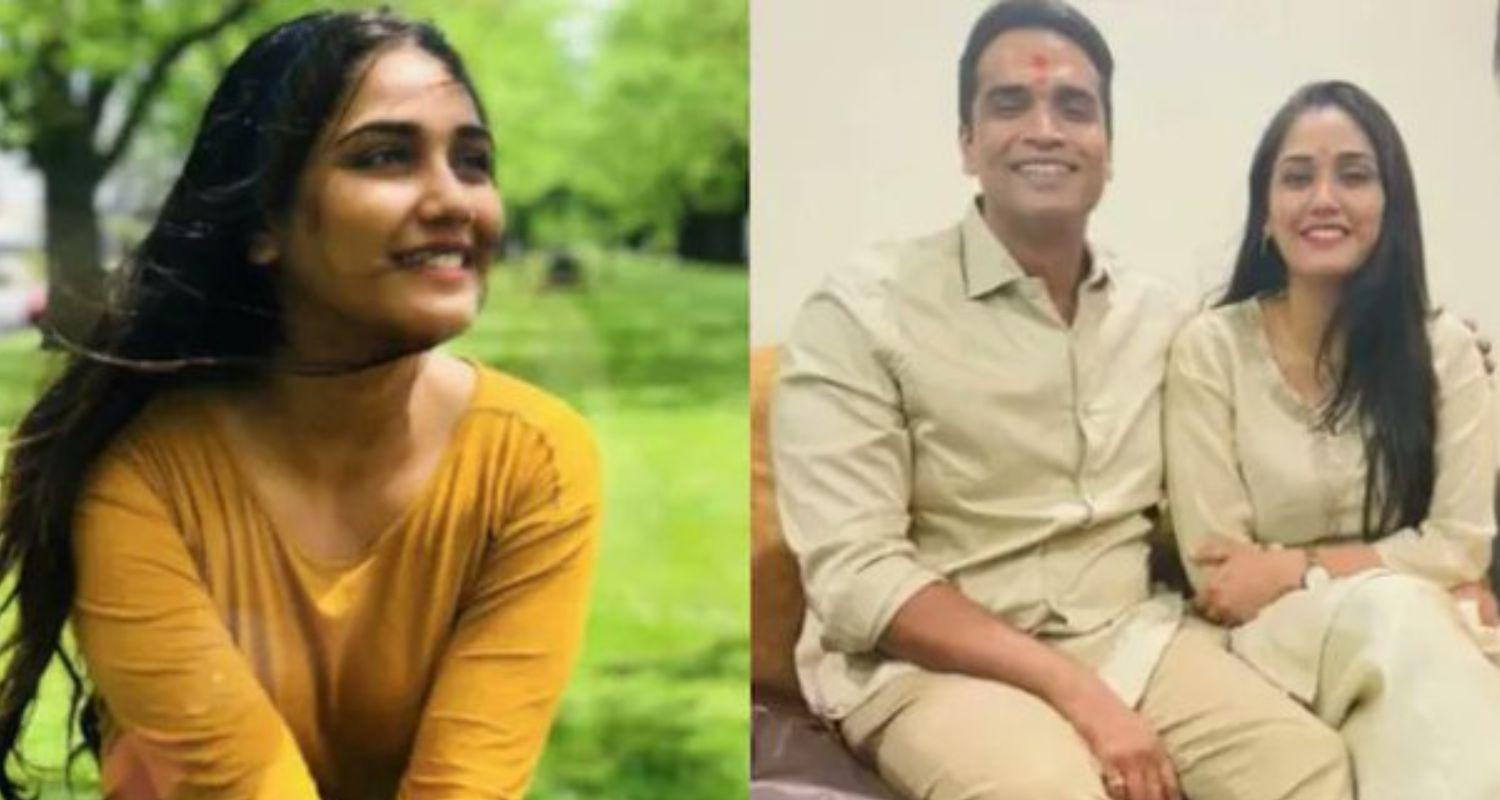
The Supreme Court on Monday expressed deep concern over the narrative suggesting that the judiciary was actively delaying or undermining a fair investigation into the tragic death of former model-actor Twisha Sharma. The top court made these observations while formalising the transfer of the probe to the Central Bureau of Investigation (CBI).
Explaining the background that prompted the court to take suo motu cognisance of the matter, Chief Justice of India Surya Kant pointed to a report published on May 18. The CJI noted that the news article had raised uncomfortable questions regarding potential institutional bias and discrepancies in the initial investigation. The report suggested a lack of impartiality simply because the deceased's husband is a practising lawyer and her mother is a former district judge, raising public doubts over whether undue influence was being wielded behind the scenes. The CJI explained that the court stepped in precisely because a narrative had developed claiming a fair investigation was being denied due to judicial involvement.
The bench, which also noted that the Madhya Pradesh High Court had previously ordered a second post-mortem examination, stated that the sole focus of the current proceedings was the smooth transfer of the case to the CBI. In considering the tragedy and unnatural death of Twisha Sharma, the court conveyed its sincere condolences for the tremendous pain and grief that her family was undergoing. But while doing so, the bench stressed that it would be imperative that due legal procedure be conducted in order not to judge things before the case has been properly investigated by the nation’s finest investigation body.
The transition is expected to happen swiftly, with Solicitor General Tushar Mehta assuring the bench that he would coordinate immediately with the relevant authorities to ensure the CBI takes over the probe without delay. The Supreme Court made it explicitly clear that it was not voicing any opinion on the merits of the allegations from either side, leaving it entirely to the independent agency to investigate all facets of the case. Because the state government had already agreed to hand over the investigation, the court felt no further directives were required at this stage.
A strong warning was issued to both the victim’s family and the accused party, with the bench advising them to stop making public or media statements. The court emphasised that both sides should instead have their formal versions recorded by the investigating agency to avoid compromising or prejudicing the ongoing case. A similar appeal was made to the media and the general public to refrain from unhelpful speculation.
Representing Twisha Sharma’s family, senior advocate Siddharth Luthra assured the court that they had no intention of sensationalising the tragedy. In response, the bench pointed out that while the family initially had legitimate worries about not receiving a fair trial, the state machinery had acted promptly by transferring the investigation.
Reflecting on the gravity of the case, Solicitor General Tushar Mehta, appearing for the state, remarked that regardless of whether the young woman's life was lost to suicide or foul play, the reality remained incredibly grim. In an emotional concluding thought, Mehta remarked that for any parent, it is far better to have a divorced daughter than a dead one.
Also read: Twisha Sharma cremated in Bhopal after second autopsy

 Follow us