Lok Sabha Speaker Om Birla on Monday constituted 60 Parliamentary Friendship Groups aimed at strengthening India’s engagement with key countries through structured inter-parliamentary dialogue cutting across party lines.
Senior MPs from the ruling alliance and the Opposition have been nominated to head the country-specific groups, in what the Lok Sabha Secretariat described as a significant push to widen India’s parliamentary diplomacy footprint.
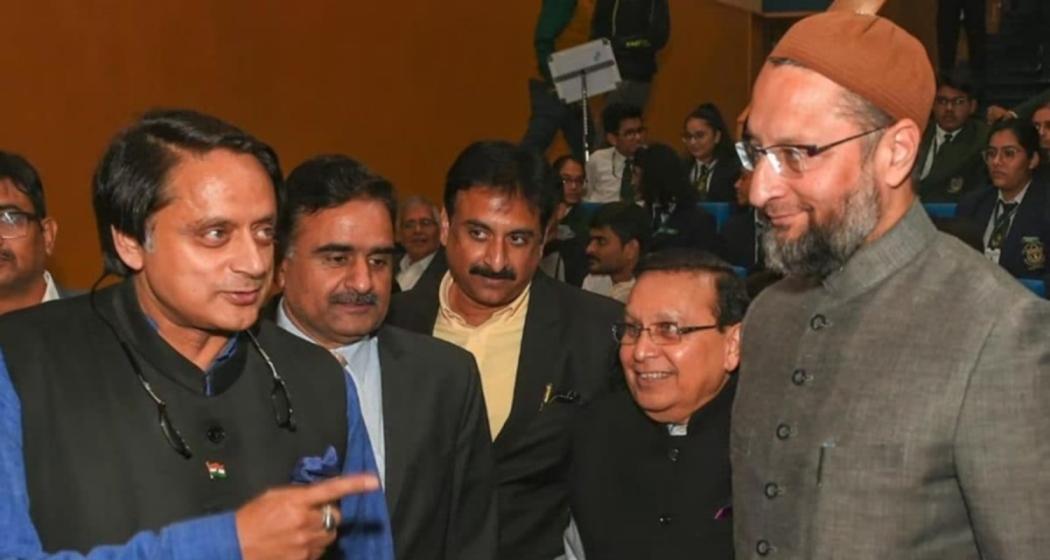
Among those appointed are Shashi Tharoor, Manish Tewari and Asaduddin Owaisi, alongside leaders such as Ravi Shankar Prasad, P Chidambaram, Akhilesh Yadav, Supriya Sule, Baijayant Panda and Anurag Thakur.
The Secretariat said the initiative reflects a conscious effort by Parliament to deepen dialogue with legislatures across continents and complement traditional diplomacy with sustained parliamentary interaction. The groups will enable lawmakers to engage directly with counterparts abroad, share legislative practices and build trust through regular exchanges.
Also read: India must accord top priority to engaging with Bangladesh
Friendship Groups have been formed with countries including the United States, Russia, France, Japan, Australia, Israel, Saudi Arabia, the United Kingdom, Germany, Italy, Brazil, Singapore, Nepal and Bhutan, among others. Engagements are expected to cover trade, technology, social policy, culture and other global challenges facing democracies.
The Secretariat noted that under Birla’s stewardship, Parliament has assumed a more active role in international forums, projecting India as a confident democracy willing to engage and collaborate. The groups are envisaged as structured platforms for dialogue, study visits and joint discussions to sustain long-term cooperation.
Sources pointed to the Centre’s earlier move to dispatch multi-party delegations abroad after Operation Sindoor to present India’s position, saying the new mechanism builds on that spirit of bipartisan outreach. Bringing together leaders from different parties to represent India internationally underscores unity on issues of national interest, they said.
While 60 groups have been constituted in the first phase, efforts are under way to expand the initiative to additional countries in the near future.

 Follow us