The Centre on Monday announced that the Viksit Bharat–Guarantee for Rozgar and Ajeevika Mission (Gramin) Act will come into force across the country from July 1, formally replacing the Mahatma Gandhi National Rural Employment Guarantee Act (MGNREGA), which has been in operation for nearly two decades.
The new legislation introduces a revised framework that guarantees 125 days of wage employment to rural households, up from the existing 100-day entitlement under MGNREGA, and is being positioned as part of the government’s long-term vision of “Viksit Bharat @2047”.
In a statement, the Ministry of Rural Development described the transition as a “historic shift” in India’s rural employment architecture, aimed at creating a “future-ready and productivity-oriented rural transformation” while strengthening livelihood security, rural incomes and village-level infrastructure.
According to official notifications, the VB-G RAM G Act will be implemented in all states and Union Territories from July 1, and MGNREGA will stand repealed from the same date.
The ministry, however, emphasised that the transition will be seamless and that ongoing works under MGNREGA as on June 30 will be carried forward under the new framework without disruption. Existing job cards, after e-KYC verification, will remain valid until they are replaced by “Gramin Rozgar Guarantee Cards”.
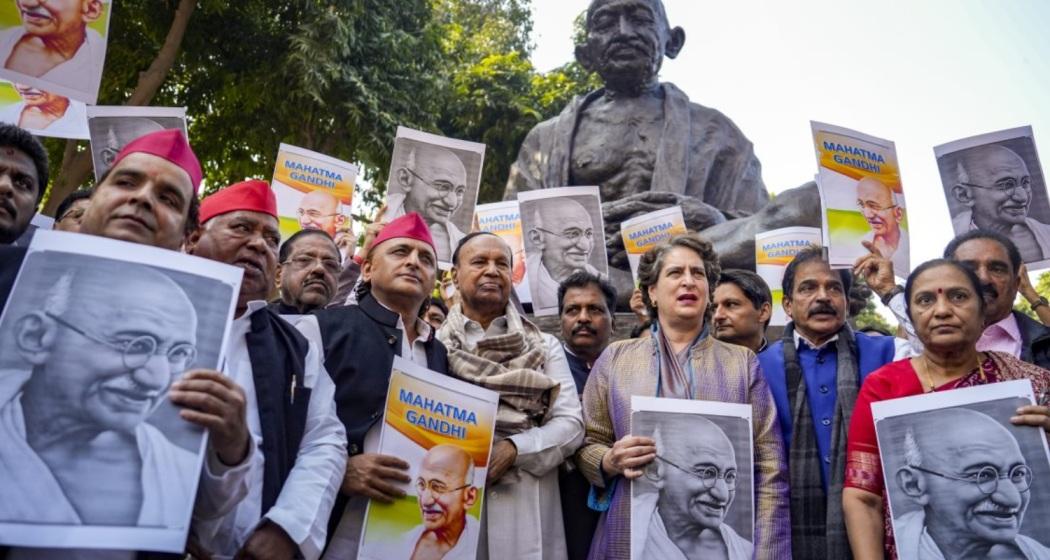
Also read: Congress launches 45-day nationwide MGNREGA protest
It added that workers will continue to be allowed to register at the gram panchayat level even if they do not currently hold job cards, and that employment will not be denied due to pending e-KYC formalities.
Under the new system, every rural household whose adult members volunteer for unskilled manual work will be entitled to 125 days of guaranteed wage employment in a financial year. If employment is not provided within the stipulated time, workers will be eligible for unemployment allowance.
The Centre also reiterated its focus on timely wage payments through Direct Benefit Transfer into bank or post office accounts. Payments will be made weekly or within 15 days of muster roll closure, failing which delay compensation will apply.
Draft rules on wage payment, grievance redressal, administrative expenditure and implementation norms are being prepared in consultation with states and Union Territories and will be released for public consultation shortly.
For 2026–27, the government has earmarked Rs 95,692.31 crore as Budget Estimate for the new rural employment programme, the highest-ever allocation for such a scheme. Including state contributions, the total outlay is projected to exceed Rs 1.51 lakh crore.

 Follow us