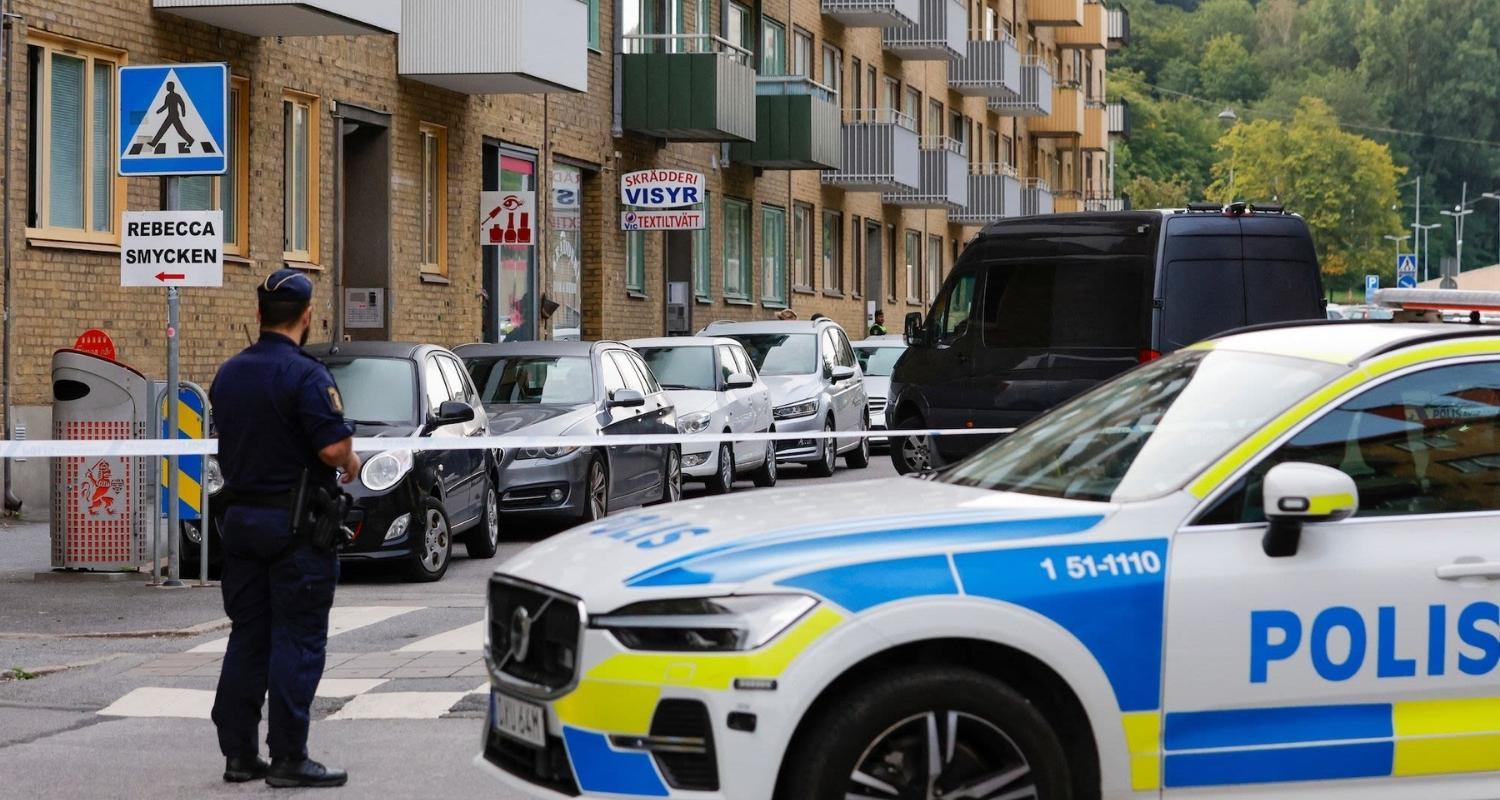
Since a while now, Sweden’s crime prevention authorities have been battling a very challenging scenario—as concerning, as complex.
The criminal networks in Sweden have been increasingly relying on children, sometimes as young as 10, to carry out illegal activities, hide away stash, traffic drugs, and even handle weapons or carry out violent assaults.
As per the data furnished by police authorities in Sweden, in 2024, approximately 1,700 children and adolescents under the age of 18 were identified as active members of criminal networks. The law is catching up, however, still seems to be several blocks away from intercepting the problem.
Last year, Sweden’s Prime Minister Ulf Kristersson said the country will lower the age of criminal responsibility from the current 15. “Children are being ruthlessly exploited by criminal networks to commit serious crimes,” he said, addressing the parliament, while making an annual policy speech. Despite the country’s legal reforms and laws criminalising the recruitment of children for crime, the exploitation continues.
Statistics show a worrying picture
“It’s like a pyramid scheme of crime, where young criminals are hired to further rope even younger members who are brainwashed and trained,” reads one of the comments on the report highlighting the malaise of young criminals.
According to the Swedish National Council for Crime Prevention (Brå), the number of children involved in shootings has tripled over the past five years. Those under-15s suspected of murder, aiding and abetting murder or attempted murder was 93 in the first six months of 2024. This number was up three times from the same period a year earlier. Brå, which annually produces a range of statistical reports, also notes that the number of children involved in shootings leading to injury or death, has also tripled over the past five years, rising from 9 in 2019 to 29 by mid-2024.
The target—vulnerable children
Children from abusive homes, those feeling alienated or those naturally inclined to vulnerabilities are identified and hired through social media or lured in through planted recruiters. As per one police investigation, a 19-year-old gang member offered an 11-year-old boy approximately 150,000 kronor to carry out a murder. “I can’t wait for my first dead body,” the boy's social media screenings showed. “Stay motivated, it’ll come,” the gang member replied.
Also read: Karnataka Hate Speech Bill: A double-edged weapon?
Several docu-dramas and series highlight the workings of criminal networks and the process of recruiting, brainwashing and training children to carry out the said crimes. A few episodes of Emmy-Award winning series “Point of No Return” delve deeper into the workings of organised crime in Sweden where older youths and peers draw in younger children, often through social media but also through schools. The gangs offer vulnerable minds a sense of belonging, power, purpose and achievement. The crimes come masked in extremist ideologies, making it easier to stifle any critical thinking. The children are valued for carrying out risky crimes, while their young age shields older gang members from detection.
The recruitment
As per another study looking into the entry and exit of human resources in criminal networks, the process typically involves an older teenager (aged 15-20) identifying a somewhat younger child (aged 12-15). Thus older teenagers recruit younger children as “lackeys.” In order to move up the hierarchy and progress within the network, each teenager develops a crew of two to five youngsters of their own. Thus the older ones in the group are able to move larger quantities of drugs and make more money. The study, conducted by Swedish National Council for Crime Prevention, spotlights the way children become involved in criminal networks, the offences such young people typically engage in. According to those interviewed in the study, the business model primarily runs on the flow of children and youths within the context of drug distribution systems.
While addressing the issue, Swedish Police, in one of its blog posts says, “Another way to recruiting children is to use threats and violence. If a child has accepted something, they may be told that they owe something and have to “pay back” by performing tasks.” These tasks include things like, standing look-out and warning criminals when the police are coming, moving weapons and drugs, hiding weapons and drugs.” The reasons for hiring children are as obvious as unique—cheap labour, low risk of detention and the network’s expansion and entrenchment in a given neighbourhood. As per the Swedish Police, “From the criminals’ perspective, there are many advantages of recruiting young people. A child will not be checked by the police in the same way as an adult. Nor can a child be prosecuted for an offence. A young person may also be more easily influenced and exploited.”
A part of the Swedish Police’s crime prevention work involves conversations with parents and custodians. Which is why, a large and a wholesome part of controlling crime is to arrest the crime and prevent the potential criminals.

 Follow us