
Trending:
Stray dog menace: Stop virtue signalling and take real action
Not a single day passes in India without reports of dog bites. It is nothing short of a full-blown public safety crisis. Only the rich, celebrities, and the privileged social media influencers—who live behind fortress-like gates, with private security, and rarely set foot in a street where stray dogs run wild—can afford to say this is not a problem. Follow us
News Arena Network - Chandigarh - UPDATED: May 24, 2026, 01:35 PM - 2 min read
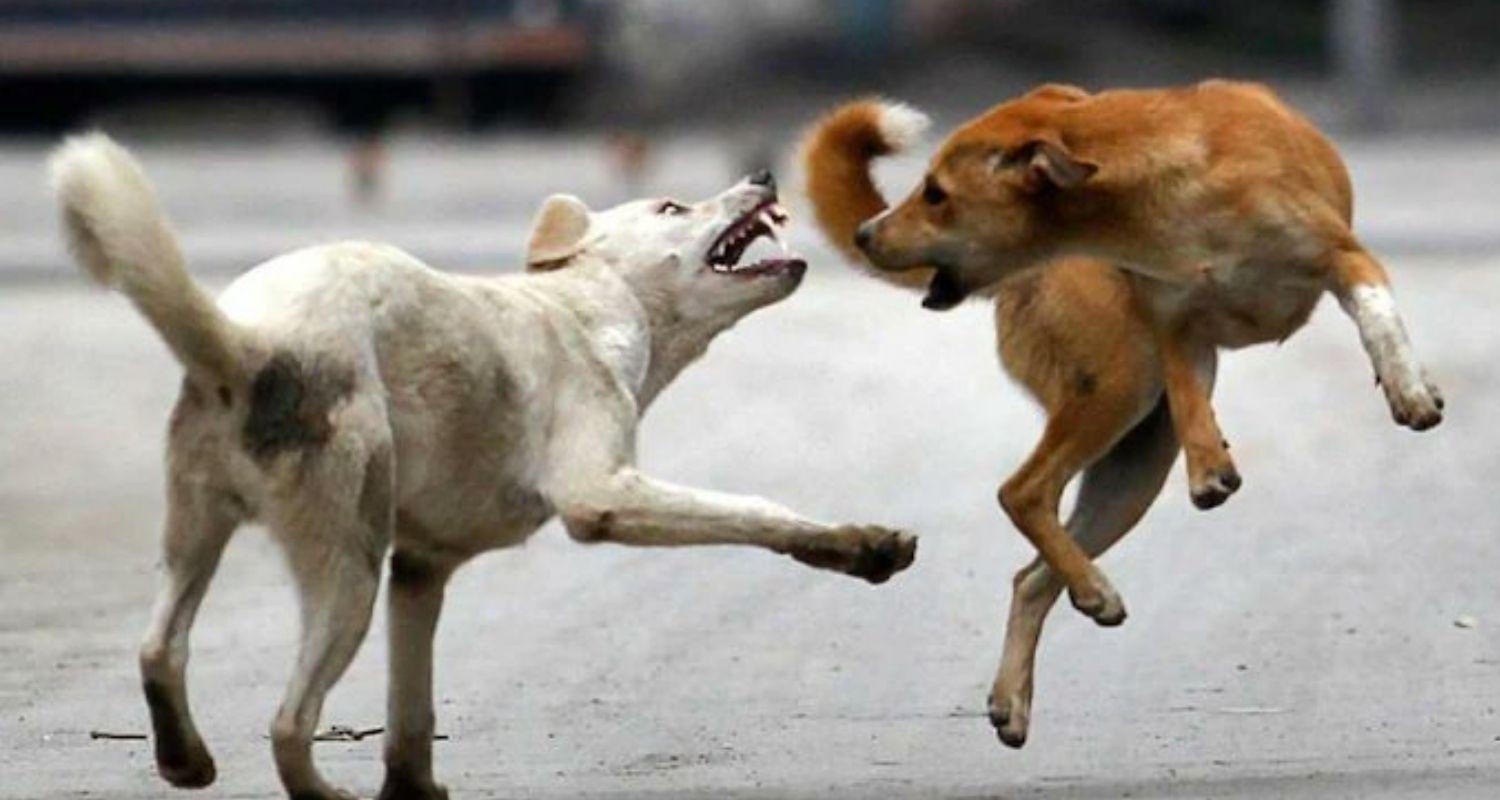
Unfortunately, the canine problem is generally not being treated with the seriousness it deserves.
None of the ardent advocates of animal rights will ever find themselves alone on a street being chased by menacing stray dogs. It is this luxury of distance that keeps them ensconced in their safety bubble, prompting them to resort to virtue signalling.
It is time to expose the hypocrisy of this section of the insulated elite. Ironically, their voices alone are heard more loudly in public discourse and they often get away with their convoluted sense of activism. But, for a majority of Indians, the middle class and the poor, the threat from stray dogs is a brutal everyday reality. They run for their lives when chased, sometimes falling and injuring themselves. Many are bitten, contracting rabies, and dying in agony. Yet these tragedies barely stir the consciences of celebrity dog-lovers. They root more for the rights of animals than for humans.
The more assured you are about the safety for yourself and your family from the life-threatening menace of stray dogs, the more vociferous advocate of animal rights you become.
Public safety crisis
Not a single day passes in India without reports of dog bites. It is nothing short of a full-blown public safety crisis. Only the rich, celebrities, and the privileged social media influencers—who live behind fortress-like gates, with private security, and rarely set foot in a street where stray dogs run wild—can afford to say this is not a problem.
In 2024, over 37 lakh dog bite cases were reported across the country, though the actual number must be much higher. Rabies is primarily transmitted through stray dog bites and claims numerous lives.
India accounts for 36 per cent of global deaths. Reports pour in from across the country every day about hapless people, particularly children and elderly, becoming victims of stray dog attacks. The aggression of street dogs, combined with the negligence of municipal officials, poses a significant threat to public safety. There are an estimated 60 million street dogs in India, with Delhi alone accounting for over 1 million dogs roaming on the streets.
Several states and cities have been witnessing an unprecedented surge in dog bite cases. Behind these statistics are children attacked near schools, elderly citizens unable to walk safely and residents living in fear of aggressive stray packs.
Top court steps in
The Supreme Court’s latest directive on controlling the canine menace is a welcome development. It has rightly ruled that the state cannot remain a “passive spectator” as citizens face the constant threat of dog attacks in public spaces.
The court has rightly pointed out that the stray dog crisis in the country has reached alarming proportions and refused to dilute its earlier directions on removing stray dogs from public institutions. It is certainly a necessary intervention in a deeply alarming public safety crisis.
For years, civic authorities across India have failed to address the steady rise in dog-bite incidents, forcing courts to step into what is essentially an administrative vacuum. Linking the issue directly to Article 21 of the Constitution, the SC held that the right to life includes the right to move freely in public spaces without fear of attack.
The Constitution does not envisage a society where children and elderly citizens are left to survive on the mercy of physical strength or chance.
The SC has rightly ruled that humane treatment of animals cannot mean ignoring human safety. The court’s emphasis on lawful relocation must now be matched by investments in shelters, sterilisation centres, vaccination drives and veterinary facilities. The challenge is to build a humane, accountable and effective stray management system that protects both citizens and canines.
Pressure from activists
In August last year, the Supreme court had issued orders to relocate stray dogs from Delhi and surrounding areas to shelters within eight weeks, citing rising cases of bites and rabies deaths.
The reaction from India’s elite was instant outrage. From Bollywood stars to high-profile animal rights activists and social media influencers, a flurry of sermons flooded the media columns on the virtues of compassion and protection of animal rights, as if removing dogs from streets to safe shelters was cruelty itself.
Some dubbed the SC’s ruling as “genocide,” others a “death warrant” for dogs. Joining the chorus were the usual high-profile “animal rights” champions like Maneka Gandhi, Amala Akkineni, and NGOs bankrolled by the wealthy. Their fury was deafening. Their message: dogs have the right to roam bazaars, bark day and night, and live “free”—even if that freedom means attacking people and spreading disease.
Also read: No relief for stray dogs as SC backs euthanasia
But here is a reality check: ordinary working Indians—the ones commuting late at night, walking home through dark alleys, or sending their children out to school—do not see the court’s order as cruelty. They are not dog-haters; many keep pets themselves. The difference is, they don’t have maids, trainers, or sprawling compounds to manage them. They know the difference between caring for a pet and letting an untrained, unvaccinated animal roam the streets.
Public safety paramount
In every developed nation, stray dogs and cats are either kept as pets or housed in shelters. Public safety takes priority. By the logic of India’s elite, Europe and America, countries that dare to keep strays off the streets, must be full of “cruel barbarians”. This is not compassion; it is virtue signalling—grandstanding on causes that cost them nothing while others bear the burden.
Unfortunately, lazy activism gets to dominate the political discourse in the country as such voices have a disproportionate influence on public policy matters. The loudest voices belong to those least affected. Even the apex court had to modify its order within a week. Overturning its earlier directive mandating permanent relocation of all strays to shelters, the court later said sterilised and vaccinated dogs are to be released back into their localities, except those infected with rabies or exhibiting aggressive behaviour.
On its part, the top court sought to strike a middle path on the issue of relocating stray dogs, balancing the conflicting interests of public health and animal welfare.
However, this raises fresh questions. What is the definition of an aggressive dog and who gets to decide that? And, what safeguards currently exist against any misuse? The new order requires municipal bodies to designate proper feeding zones. Adoption too, while a humane pathway, will call for rigorous monitoring to prevent abandonment.
India’s urban local bodies have long struggled and often failed to implement sterilisation and vaccination programmes at the scale required.
Experts have pointed out that funds are routinely underutilised or siphoned off, while waste management, a key driver of stray proliferation, remains woefully inadequate. Even getting a dog license for a pet is a challenge in the national capital.
Without addressing these basic issues, even the well-intended judicial orders run the risk of falling into the familiar cycle of half-measures and neglect. The idea of a national policy on strays deserves serious consideration by the government. Patchy state-level responses have created inconsistency and confusion, with each crisis spawning litigation instead of coordinated solutions.
A central framework could finally bring uniform standards for sterilisation, vaccination, shelter design, and accountability mechanisms.
Unfortunately, the canine problem is generally not being treated with the seriousness it deserves. The advocates of animal rights seem to ignore the harsh reality that the menace of street dogs is a full-blown public safety crisis in India. A distinction must be made between caring for a pet and letting an untrained, unvaccinated animal roam the streets.
