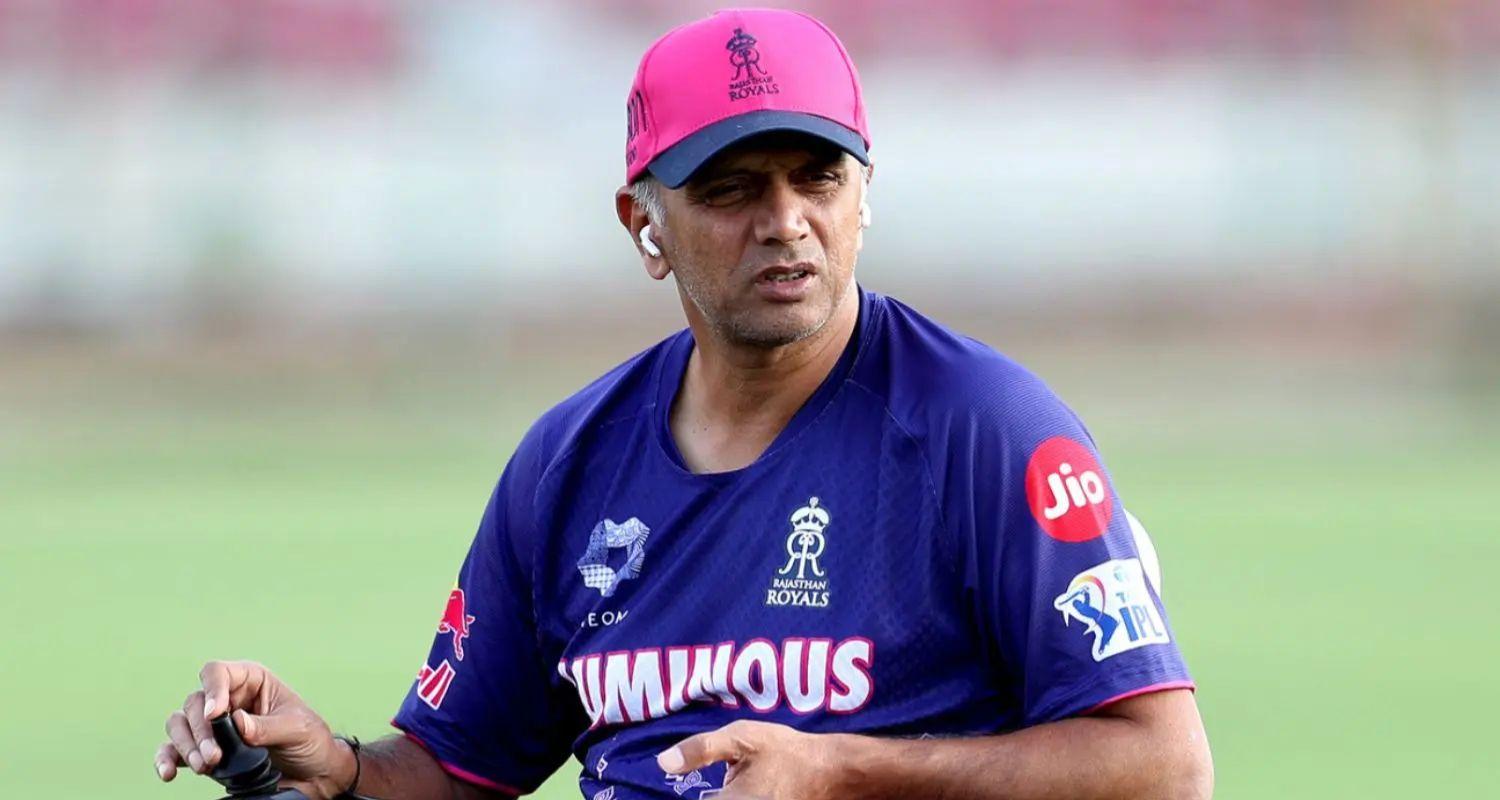
Former India head coach Rahul Dravid believes T20 batting has undergone a dramatic transformation in recent years, leaving bowlers with significant ground to recover. Dravid, who guided India to its second T20 World Cup title in 2024 in the Caribbean, expressed admiration for a new generation of fearless batters such as Vaibhav Sooryavanshi, Ayush Mhatre, Priyansh Arya, and the world’s top-ranked T20 batter Abhishek Sharma, saying they have completely redefined Powerplay batting.
Speaking from Dublin during the unveiling of his ownership role in the European T20 Premier League’s Dublin franchise, Dravid said the standard of batting over the past few years has risen extraordinarily, forcing bowlers to rethink their methods.
“The range and quality of strokeplay today is remarkable. Batters are now clearing boundaries and targeting areas of the ground that previously seemed impossible to access,” Dravid said. The former India captain, who has also coached IPL franchises like Rajasthan Royals and Delhi Capitals, acknowledged that batters have adapted to modern T20 demands far more effectively than bowlers so far.
“At the moment, more batters seem capable of handling the evolving nature of T20 cricket than bowlers are. But that balance could shift over the next few years,” he noted. Despite the dominance of batters in white-ball cricket, Dravid pointed out that Test cricket currently presents a contrasting picture, with bowlers often dictating the outcome of matches.
Also read: DC hammer PBKS by 3 wickets in high-scoring IPL clash
“Nearly every Test match nowadays produces a result. We’re seeing games finish in two or three days quite often, which shows bowlers are having a major influence in the longer format,” he observed.
Dravid feels it will be interesting to see whether bowlers can regain some control in T20 cricket over the coming years. However, he admitted that conditions may need to offer them more assistance.
“To restore balance, pitches may need to become a little more challenging. Whether that means surfaces offering more turn or tracks with greater pace and bounce, bowlers need conditions that provide some support,” he explained. He also dismissed the idea of simply increasing boundary sizes, noting that most venues already have limited space available.

 Follow us