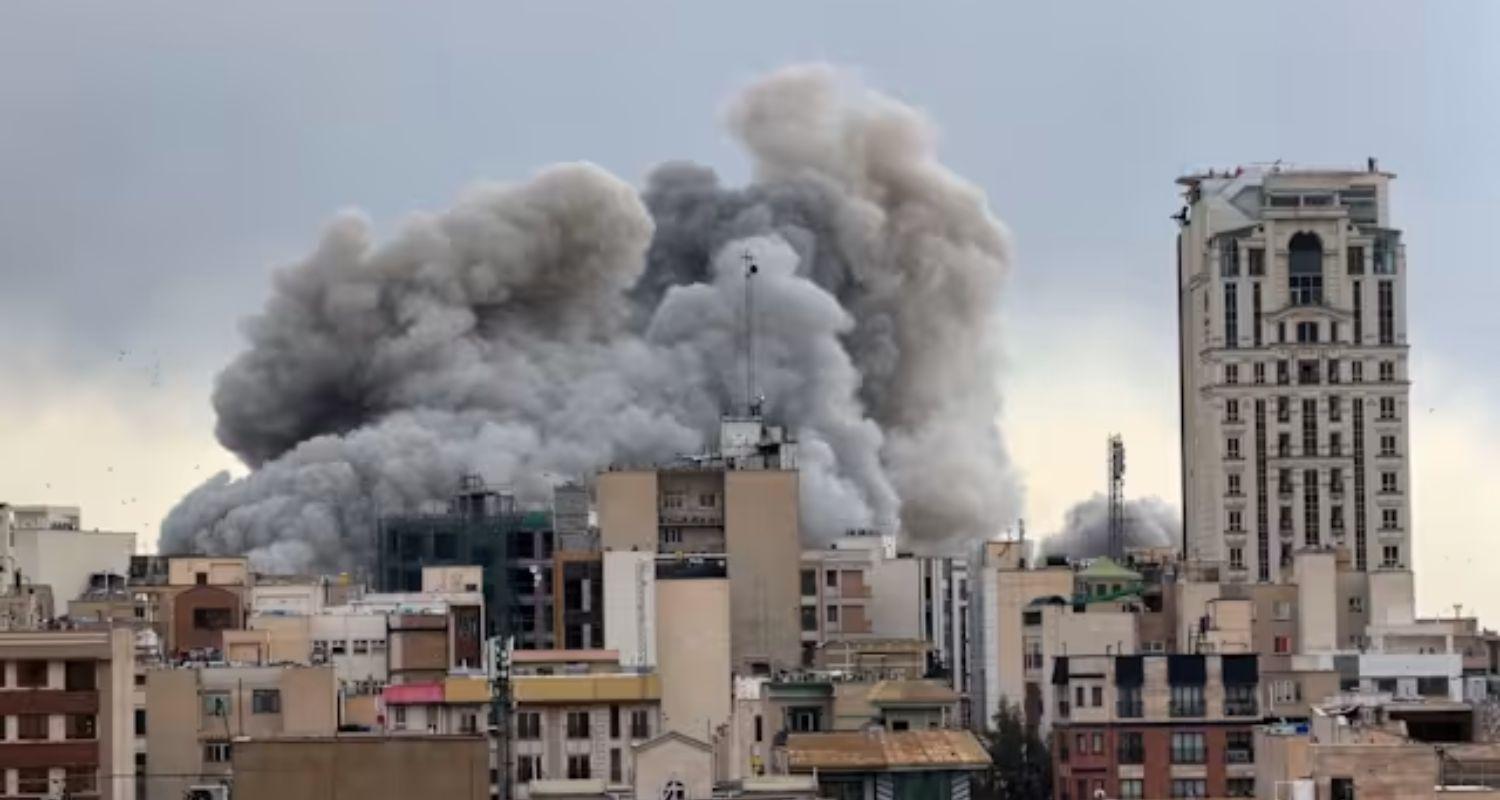
Iran’s participation in the upcoming men's World Cup has been thrown into serious doubt as the military conflict ignited by the tournament’s co-host— the United States, continues to escalate.
With the opening match just three months away, the prospect of the Iranian national team competing on American soil — specifically in Seattle and Inglewood — seems increasingly remote following the targeted assassination of Ayatollah Ali Khamenei. The geopolitical fallout has already seen Tehran launch retaliatory strikes against US allies, including Qatar and Saudi Arabia, both of whom are central pillars of the global football establishment.
Mehdi Taj, the head of Iranian football and a vice president of the Asian Football Confederation, has expressed a grim outlook, suggesting that the nation can hardly be expected to focus on a sporting spectacle while under fire.
The dilemma is now two-fold: it remains unclear whether the Iranian federation will proactively boycott the 48-nation event or if the Trump administration will move to formally bar the team from entering the country. While FIFA has remained officially tight-lipped, claiming only to "monitor developments," the White House official overseeing the tournament, Andrew Giuliani, appeared to dismiss the sporting concerns on social media, prioritising what he termed the "opportunity for freedom" over the scheduling of football matches.
Should Iran be removed or choose to withdraw, FIFA’s regulations grant President Gianni Infantino remarkably broad powers to name a replacement. Under Article 6.7, the governing body has the "sole discretion" to take whatever action it deems necessary. If a replacement is sought from within the Asian confederation, Iraq or the United Arab Emirates would be the most logical candidates based on the most recent qualifying rankings. However, the vague wording of the rules technically allows FIFA to hand the spot to any member association, regardless of their continental affiliation.
The financial and disciplinary stakes for Iran are significant. A withdrawal would mean forfeiting at least $10.5 million in prize money and preparation grants, alongside hefty fines that could exceed half a million Swiss francs. More damagingly, FIFA could choose to ban the country from the 2030 qualifying cycle. While a late replacement at a major tournament is rare, it is not without precedent; Denmark’s famous Euro ’92 victory only happened after Yugoslavia was expelled due to UN sanctions during the Balkans conflict. As the clock ticks down to the 11 June kick-off, the sporting world is left waiting to see if diplomacy can salvage Iran's place in the draw or if the "Asian powerhouse" will become the latest casualty of the widening war.
Also read: 'No endless war', says Netanyahu as Mideast unrest enters Day 4

 Follow us