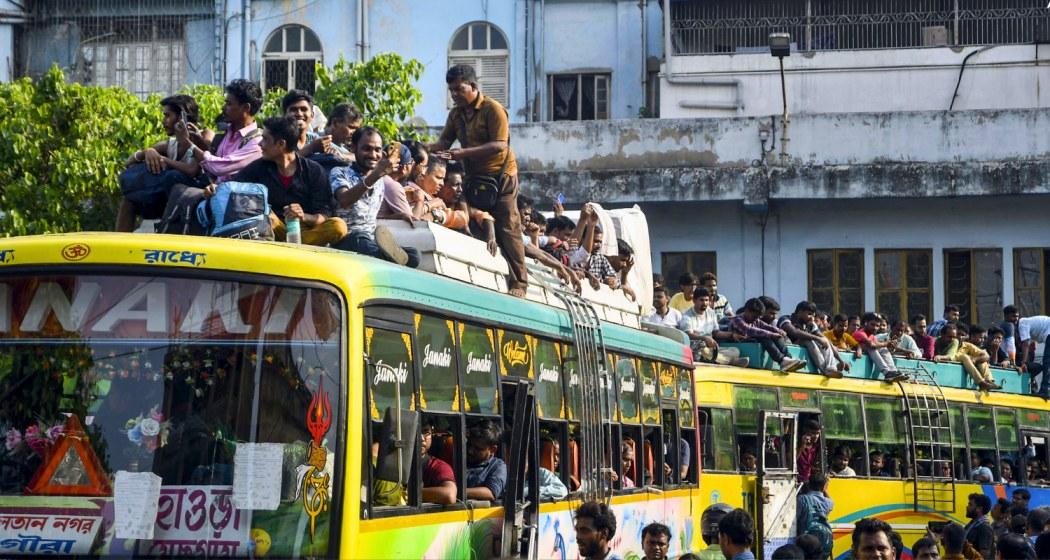
Over 3.6 crore voters will decide the electoral fate of 1,478 candidates across 152 constituencies in the first phase of the West Bengal Assembly elections 2026 on Thursday, setting the stage for a high-stakes contest between the ruling Trinamool Congress and the Bharatiya Janata Party.
Polling in the first phase covers more than half of the state’s 294 Assembly seats, with the remaining 142 constituencies scheduled to vote on April 29. Results will be declared on May 4.
Chief Minister Mamata Banerjee is seeking a fourth consecutive term for the TMC, while the BJP is attempting to unseat the incumbent with an aggressive campaign. The Indian National Congress, which has seen its vote share decline sharply in recent years, is also aiming for a revival in select districts.
Key contests and regions
Among the prominent battlegrounds is Nandigram in East Midnapore, where Leader of the Opposition Suvendu Adhikari is contesting on a BJP ticket. The TMC has fielded Pabitra Kar, a former associate of Adhikari who recently returned to the party.
In Baharampur, senior Congress leader Adhir Ranjan Chowdhury is contesting an Assembly election after three decades.
Also read: WB polls 2026: Free phones trigger voter revolt
Voting will take place across diverse regions, including the tea belt of north Bengal, the tribal-dominated western districts, the industrial belt of Asansol-Durgapur, and border districts such as Murshidabad and Malda.
Of the 152 constituencies, 103 are general seats, while 34 are reserved for Scheduled Castes and 15 for Scheduled Tribes. The Special Intensive Revision (SIR) of electoral rolls has significantly impacted voter lists, with districts like Murshidabad and Malda witnessing a high number of deletions among the 27 lakh names removed statewide.
Polling will be conducted at 44,376 stations, including over 5,600 managed entirely by women personnel. More than 2,400 companies of Central Armed Police Forces have been deployed to ensure security.
Election authorities said webcasting facilities have been installed at all polling stations, with a central control room monitoring live feeds.
Special provisions have been made for elderly voters, with over 2,04,618 electors aged above 85 and more than 4,000 centenarians eligible to vote, many of whom have already exercised their franchise through home voting.
With intense campaigning and closely watched contests, Phase 1 polling is expected to set the tone for the electoral battle in West Bengal.

 Follow us