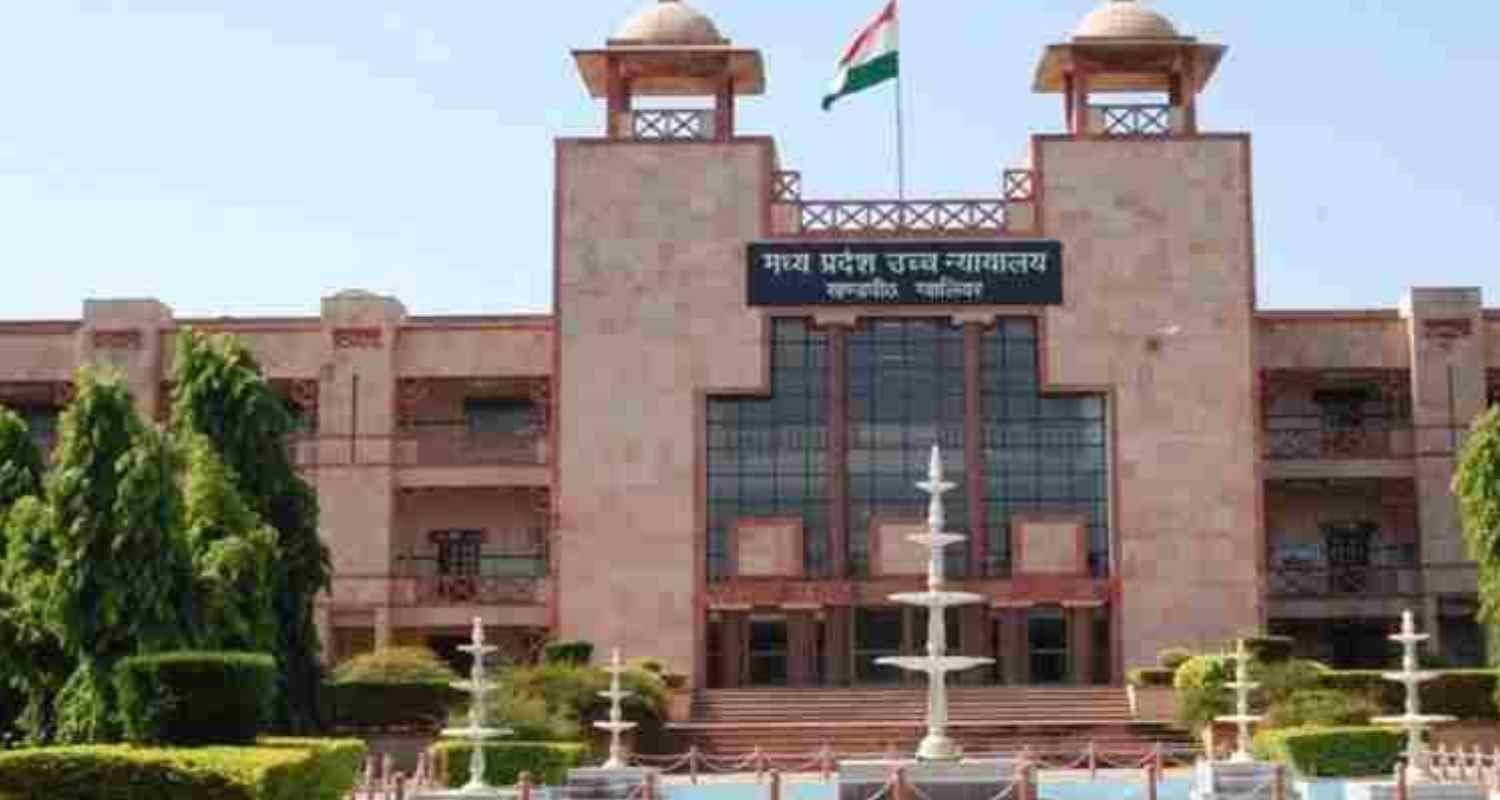
The Madhya Pradesh High Court on Wednesday expressed serious concern over the rising number of tiger deaths in the state and directed the government as well as the National Tiger Conservation Authority (NTCA) to submit their responses within two weeks.
The directive came during the hearing of a Public Interest Litigation (PIL) that highlighted the alarming mortality figures. According to the petition, Madhya Pradesh recorded 54 tiger deaths in 2025, the highest in the country. In the first few weeks of 2026 alone, 10 more tigers have reportedly died.
Taking note of the situation, the High Court said it was treating the matter with utmost seriousness and instructed the Field Director of Bandhavgarh Tiger Reserve to submit a detailed investigation report by February 25, 2026.
The PIL was filed by wildlife expert Ajay Dubey. Representing the petitioner, advocate Aditya Sanghi presented official data before the court and said the deaths pointed at a troubling trend.
Sanghi alleged that despite large-scale poaching in Bandhavgarh Tiger Reserve, forest department officials were being negligent and often attributed the deaths to territorial fights. He claimed that organised poaching and electrocution were major causes behind the decline in tiger numbers and that authorities had failed to take strong anti-poaching measures.
The High Court sought a detailed explanation on the causes of the deaths and the steps being taken to protect the species. The Field Director of Bandhavgarh has been asked to outline the circumstances of the deaths and the measures implemented to prevent further losses.
Dubey said during the previous hearing on January 20, the court had issued notices to the NTCA, the Government of India and the state government, seeking their responses.
At Wednesday’s hearing, both the state government and the NTCA requested four weeks to file their replies. However, after the petitioner’s counsel stressed the urgency of the issue, the court directed them to submit their responses within two weeks, making it clear that its approach to tiger conservation would be strict and sensitive.
The next hearing in the case is scheduled for February 25, when the Bandhavgarh Field Director will present the state’s response.

 Follow us