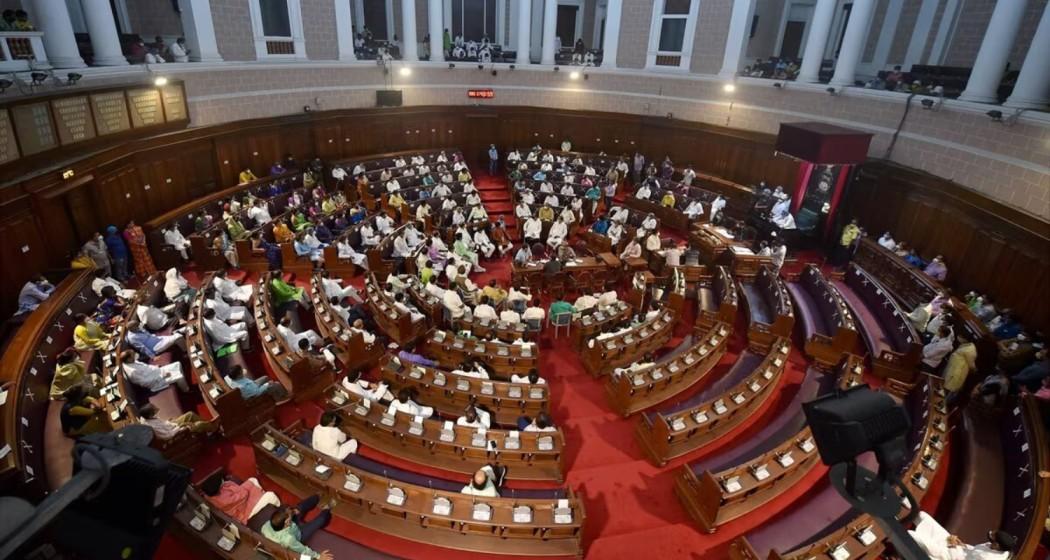
The West Bengal Cabinet on Thursday approved the formation of an expert committee to draft a Uniform Civil Code (UCC) Bill, marking the Adhikari government's first formal step towards introducing a common civil law in the state. The proposed legislation is likely to be tabled during the Legislative Assembly's monsoon session in August.
The committee, headed by retired Supreme Court judge Justice Ranjana Desai, was announced earlier by Chief Minister Suvendu Adhikari in the Assembly. It will include a retired IAS officer, a legal expert, an academician, a social worker and an Additional Secretary from the state's General Administration Department, who will serve as its administrative secretary.
Officials said the panel has been tasked with conducting a comprehensive review of existing personal and family laws in West Bengal before preparing a draft Bill. It will examine laws governing marriage, divorce, maintenance, inheritance, adoption and live-in relationships, while also assessing constitutional provisions, social implications and administrative feasibility.
The committee will submit its recommendations to the state government, which will use them to finalise the proposed legislation.
Also read: West Bengal Assembly passes two OBC amendment bills
Addressing the Assembly earlier, Adhikari said the initiative was in line with similar efforts undertaken in Gujarat, Uttarakhand and Assam.
"A uniform law will apply to all communities, and there will be no separate personal laws based on religion. However, tribal communities will be kept outside the purview of this law," the Chief Minister had said.
The Cabinet also approved the draft West Bengal Registration of Births and Deaths (Amendment) Rules, 2026, aimed at modernising the state's registration system.
The proposed amendments seek to streamline birth and death registration through digital record-keeping, faster issuance of certificates, simplified procedures for delayed registrations and a strengthened appeal mechanism.
The UCC panel's recommendations are expected to form the basis of one of the Adhikari government's key legislative initiatives during the upcoming Assembly session.

 Follow us