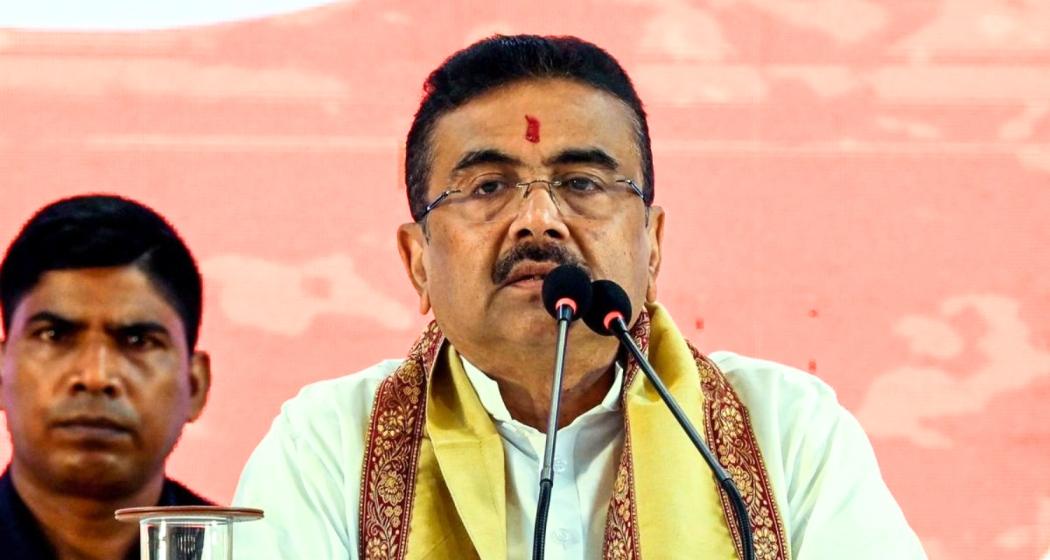
Even as the Uniform Civil Code (UCC) Bill is not being tabled immediately in the West Bengal Legislative Assembly, Chief Minister Suvendu Adhikari on Monday reaffirmed his government's commitment to implementing a common civil law across the state. Addressing the Assembly, he declared that a single, uniform law would apply to all citizens, bringing an end to separate personal laws based on religion.
Amid loud protests from the opposition benches, the Chief Minister described the move as a historic step aligned with the ideals of Syama Prasad Mukherjee. He assured members that the government was proceeding with the necessary preparations and urged them not to be alarmed. "If there are any objections, there are specific forums to express them. The draft of the proposed Bill will be placed before the state Cabinet on July 2," he said.
Adhikari clarified that the Bill was not being drafted from scratch but was being modelled on existing frameworks such as the Uttarakhand UCC Act, 2024, the Assam UCC Bill, 2026, and the Gujarat UCC Bill, 2026.
Highlighting the provisions of the proposed legislation, the Chief Minister said the sentiments of tribal and ethnic communities would be given special consideration. He announced that certain groups would be exempted from the purview of the UCC to preserve their cultural and traditional practices. Specifically, members of Adivasi, Kurmi and indigenous communities are expected to remain outside the scope of the law.
Also read: West Bengal Assembly passes two OBC amendment bills
To facilitate the drafting process, the state government has proposed the formation of an expert committee to be chaired by retired Supreme Court Justice Ranjana Prakash Desai. The committee will include a retired IAS officer, a legal expert, an eminent educationist and a social worker, while an Additional Secretary of the General Administration Department will serve as the Member Secretary.
The committee has been tasked with conducting a comprehensive review of the existing personal and family laws in the state. Its scope will cover key areas such as marriage, divorce, maintenance, succession and property rights, adoption, and live-in relationships.
The Chief Minister informed the Assembly that the panel had been given four weeks to submit its report. Based on its recommendations, the government plans to table the UCC Bill in the Assembly in August, with the intention of implementing it soon thereafter.
Addressing the opposition, Adhikari invited members to submit their concerns or suggestions in writing to the committee. He reiterated that implementing the UCC was a key electoral promise.
"We committed to bringing the UCC to Bengal, and we will fulfil that promise. It will be implemented," he asserted.

 Follow us