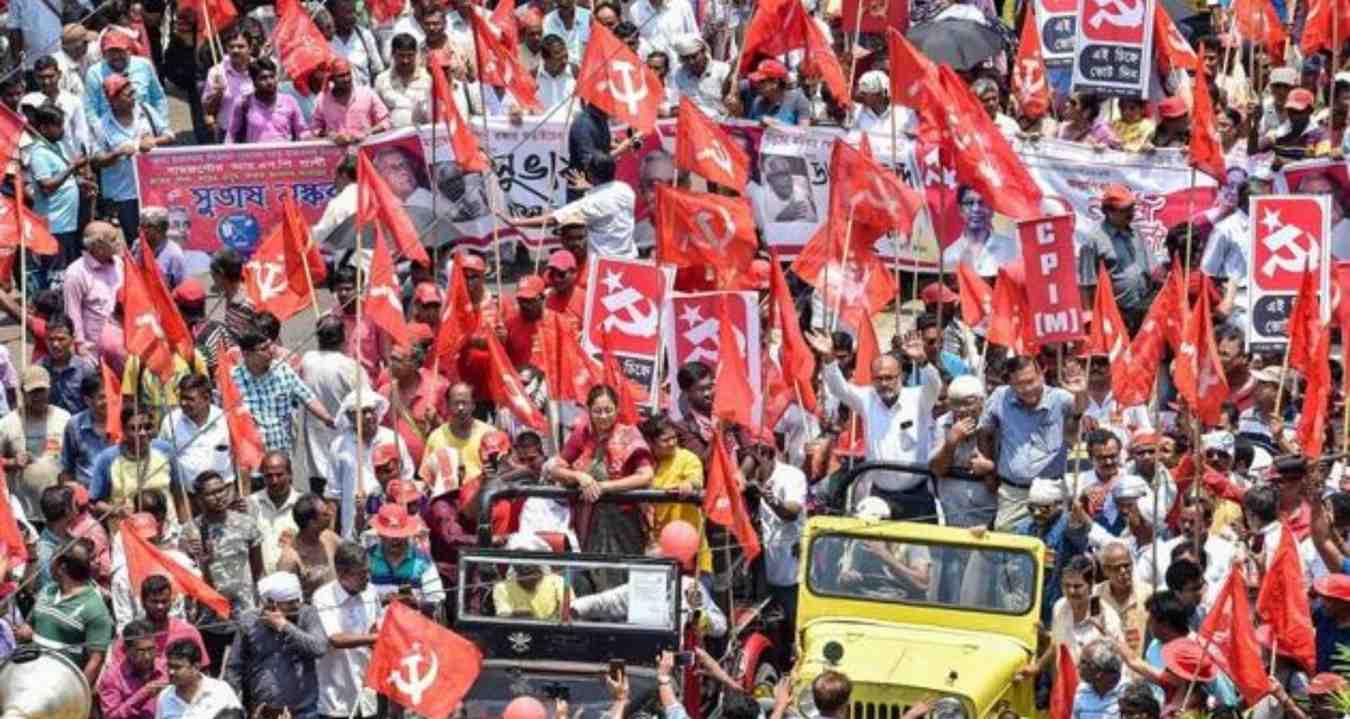
In a notable shift, the CPI(M) — traditionally committed to a secular and non-religious political stance — is contemplating ways to engage with religious and community spaces such as temples, mosques, and puja committees. The move is being considered as part of a broader strategy to counter what party leaders describe as the BJP’s communal politics, while simultaneously strengthening grassroots connections.
Despite this tactical reconsideration, party leaders maintain that the CPI(M)’s ideological position remains unchanged. Instead, the focus is on reinforcing organisational strength at the grassroots level through greater engagement with local communities.
The review process will continue through June and July, during which data will be collected from across districts. This will culminate in an extended state session scheduled for August 29 and 30, where a comprehensive strategy for the party’s future course is expected to be finalised.
A member of the CPI(M) State Secretariat stated that discussions on the election results are ongoing at multiple levels within the party. “We are sharing experiences and working towards a detailed review. Inputs have already been received from several districts, and a preliminary understanding is emerging,” the leader said. Based on these discussions, structured questionnaires will be developed to gather feedback from party workers across all organisational levels.
In addition to internal feedback, the CPM plans to seek inputs from supporters, well-wishers, and members of the public who were involved in the election campaign but are not formally part of the party structure. District-level meetings are scheduled throughout June to facilitate this outreach.
Elaborating on the process, state secretary Mohammed Salim said the party aims to gather data from booth-level to district-level units by the end of May. “We are analysing election data and reviewing our campaigns, rallies, and public meetings. Throughout June, we will conduct interactions at booth, zonal, and ward levels, primarily in a listening mode,” he said.
He added that districts have been instructed to compile feedback, including criticisms and suggestions, and submit them to the state leadership. “These inputs will be discussed internally, and necessary steps will be taken accordingly,” Salim noted.
In the aftermath of the 2021 Assembly elections, the Communist CPM in West Bengal has initiated an extensive internal review process, focusing on district-wise assessments of its electoral performance. The exercise comes amid growing concern within the party over the consolidation of the BJP in the state.
Party General Secretary MA Baby has already held a series of meetings with Bengal leaders, while the CPM’s West Bengal State Committee convened discussions over two consecutive days to evaluate the poll outcome. According to sources, these meetings reflected deep concern over the BJP’s rising influence, prompting senior leaders to consider a recalibration of strategy.
With this structured review and outreach initiative, the CPM is seeking to regroup and redefine its political strategy in a rapidly evolving electoral landscape in West Bengal.
Also read: Red Sunset on India's political horizon

 Follow us