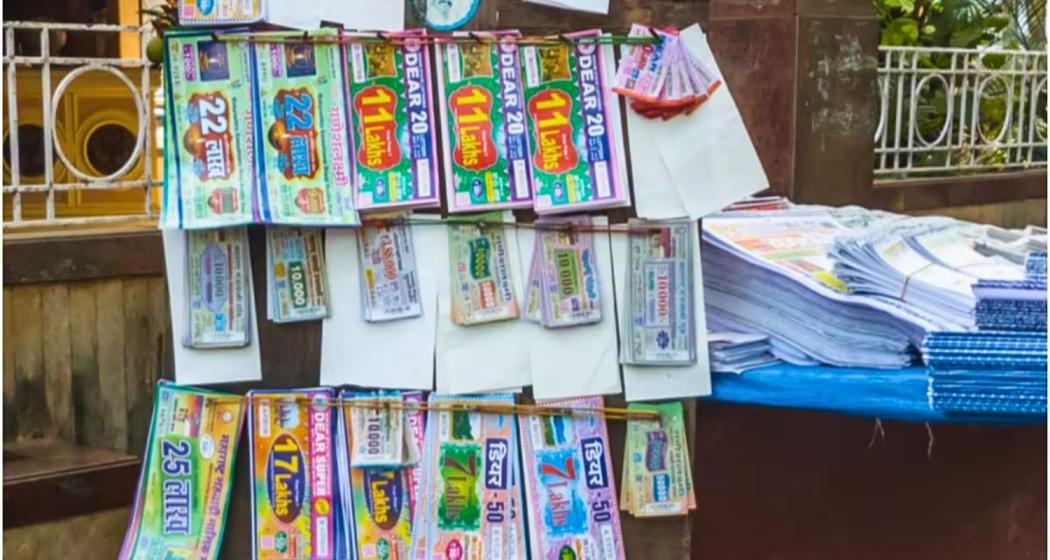
The West Bengal government is preparing to relaunch the long-suspended “West Bengal State Lottery” as part of a broader effort to strengthen the state’s financial position and boost internal revenue generation.
Sources indicated that the revival initiative is likely to be implemented shortly after the presentation of the state budget in the West Bengal Legislative Assembly on June 22. Chief Minister Suvendu Adhikari has reportedly directed the Finance Department to initiate the necessary steps for restarting the scheme.
According to officials at Nabanna, the state secretariat, a key condition has been introduced this time—unsold lottery tickets will not, under any circumstances, be included in the draw process. The move is aimed at ensuring greater transparency and preventing irregularities flagged in earlier operations.
The Chief Minister has also argued that several private lottery operators from other states currently run profitable businesses in West Bengal after obtaining No Objection Certificates (NOCs). A significant share of earnings, officials noted, flows outside the state. The proposed revival aims to retain that revenue within the state system rather than relying on external operators.
Also read: Amul to set up world’s largest yogurt plant in West Bengal
West Bengal previously operated a structured lottery system with weekly and special bumper draws until 2017–18. Schemes such as “Bangalakshmi,” “Bangabhumi Super,” and “Bangalakshmi Super” were conducted regularly, with festive bumper lotteries during Diwali and Rath Yatra offering prizes up to Rs 1 crore. Ticket prices then ranged from Rs 2 to Rs 10, and the government reportedly earned around Rs 17.81 crore annually from sales worth Rs 66 crore.
In 2018, the system was expanded to include daily draws, significantly increasing revenue. The department generated over Rs 223 crore in 2018–19 from ticket sales exceeding Rs 1,000 crore, with projections rising to nearly Rs 300 crore the following year.
However, despite this growth, the lottery system was suspended in March 2020 for reasons that were never officially clarified. Later attempts to revive the brand through private tenders did not gain traction, leaving the system inactive for nearly four years.
With the revival plan now underway, officials said the government hopes to restore a key revenue stream while tightening oversight mechanisms to avoid past shortcomings.

 Follow us