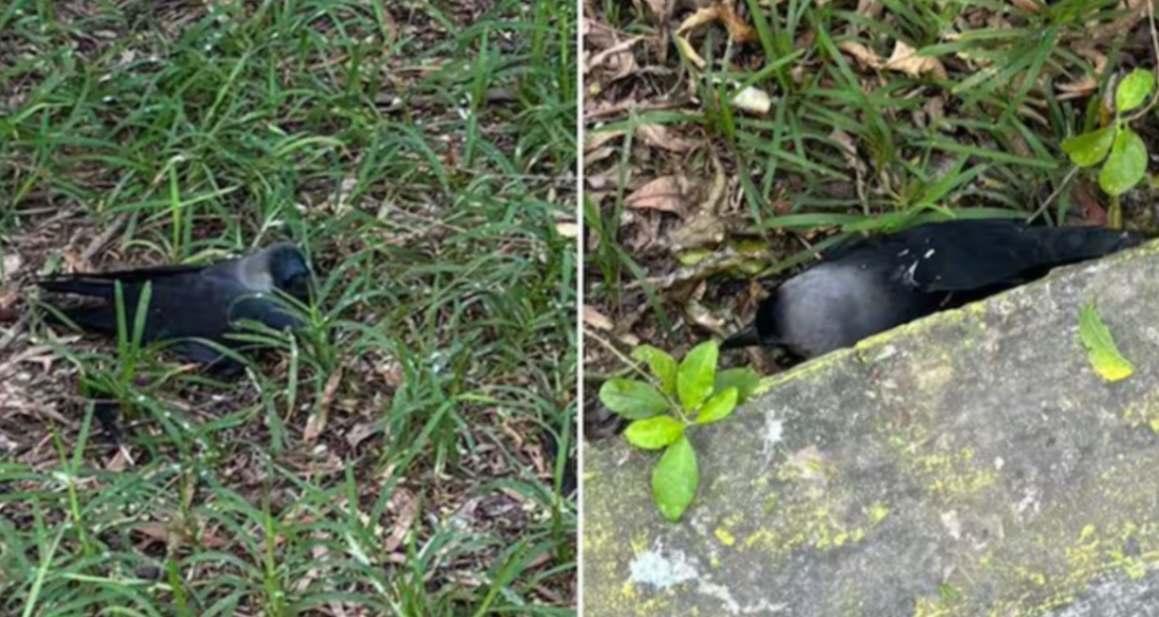
Health authorities in Chennai are racing to contain a dangerous H5N1 bird flu outbreak after hundreds of crows were found dead across the city. The confirmation of Highly Pathogenic Avian Influenza (HPAI) in samples taken from Adyar has prompted an urgent response from both state and union officials, with the central ministry demanding comprehensive surveillance and a "One-Health" approach to safeguard both animal and human populations.
This particular strain, H5N1, is notorious for causing rapid, high-mortality outbreaks in poultry and wild birds. While human infections are rare, they are treated with extreme caution because the virus can cause severe respiratory illness, like pneumonia, with a fatality rate significantly higher than seasonal flu. The risk primarily stems from close contact with infected birds or contaminated environments.
To curb transmission, officials have issued strict instructions for the immediate disposal of carcasses. Any dead birds, whether crows or poultry, must be either deeply buried or incinerated following strict biosecurity protocols. The public is being warned not to touch or handle dead birds under any circumstances; if contact is unavoidable, gloves must be worn and hands washed thoroughly afterward.
Local authorities are intensifying field surveillance and launching awareness campaigns to track deaths among wild birds and poultry. Forest officials have been instructed to promptly report any sightings of dead birds. For poultry farmers, the rules are stringent: entry to farms is restricted, equipment must be regularly disinfected, and wild birds must be prevented from accessing farming areas. Furthermore, slaughter waste must be disposed of properly to avoid attracting wild birds that could carry the virus.
Also read: Telugu states get massive budget for high-speed trains

 Follow us