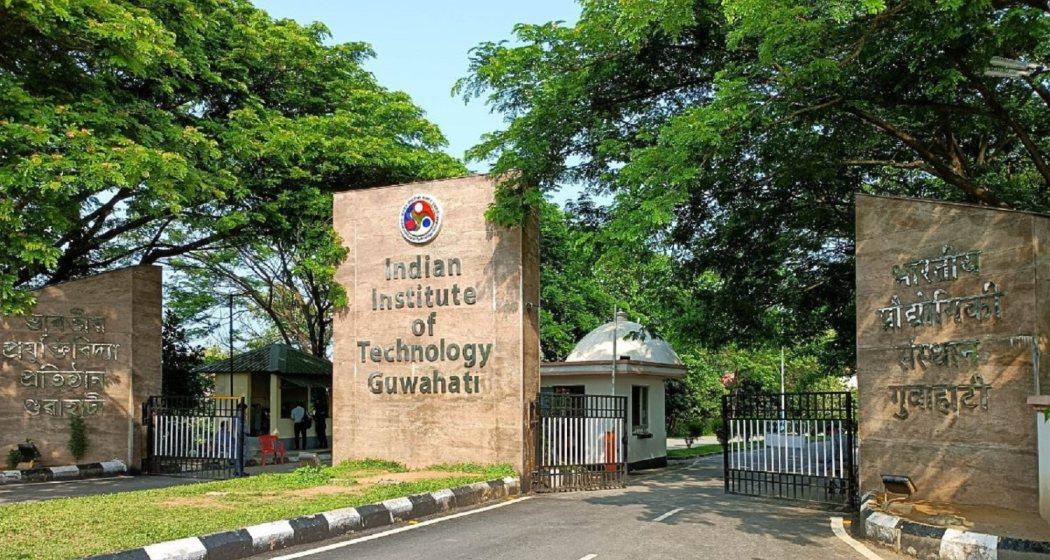
Researchers at the Indian Institute of Technology (IIT) Guwahati have developed a low-cost electrocoagulation (EC) system capable of removing 99 per cent of arsenic from contaminated groundwater within minutes, offering a scalable solution for arsenic-affected regions.
The study, published in the journal Separation and Purification Technology, addresses a critical public health concern. Around 140 million people globally are exposed to unsafe arsenic levels, with India, Bangladesh and parts of South America among the worst-affected.
Groundwater contamination has intensified amid rapid industrialisation and urban expansion. Arsenic often enters aquifers through natural rock formations or human activities such as mining and agriculture.
Mihir Purkait, Professor in the Department of Chemical Engineering at IIT Guwahati, warned that long-term exposure to arsenic can lead to organ damage and cancer.
"To address this, many conventional methods have been developed, and while some have been successful, these are difficult to implement in uncontrolled environments. Most methods rely on the addition of chemicals, extensive treatment periods and sophisticated equipment.
"Moreover, the methods need to be performed on site and have the potential to create surplus sludge, increasing the time and energy costs to disposal," he said.
Also read: IIT Guwahati develops tool to detect glacial hazards
The newly developed system uses an electric current to release metal ions from electrodes placed in water, eliminating the need for external chemicals.
"These ions attach to arsenic and other contaminants, allowing them to clump together and be removed from the water through settling or flotation. The process is relatively simple to operate and reduces the need for chemical handling," Purkait said.
To improve efficiency, the IIT-G team designed the system with a rotating anode and stationary cathode.
"Electrocoagulation, combined with a rotating electrode system, offers an efficient solution for arsenic-contaminated water," he explained, adding that rotating iron electrodes enhance mixing, improve removal efficiency and keep operational costs low.
Cost comparisons show significant savings. A small community-scale EC plant (10-50 kilolitres per day) costs Rs 8-15 lakh, compared to Rs 12-20 lakh for conventional systems. At medium-scale capacities, EC systems cost Rs 30-80 lakh, while reverse osmosis plants often exceed Rs 1-2 crore.
The team plans field trials and is in discussions with Kakati Engineering Pvt Ltd in Sivasagar, Assam, for fabrication and installation.

 Follow us