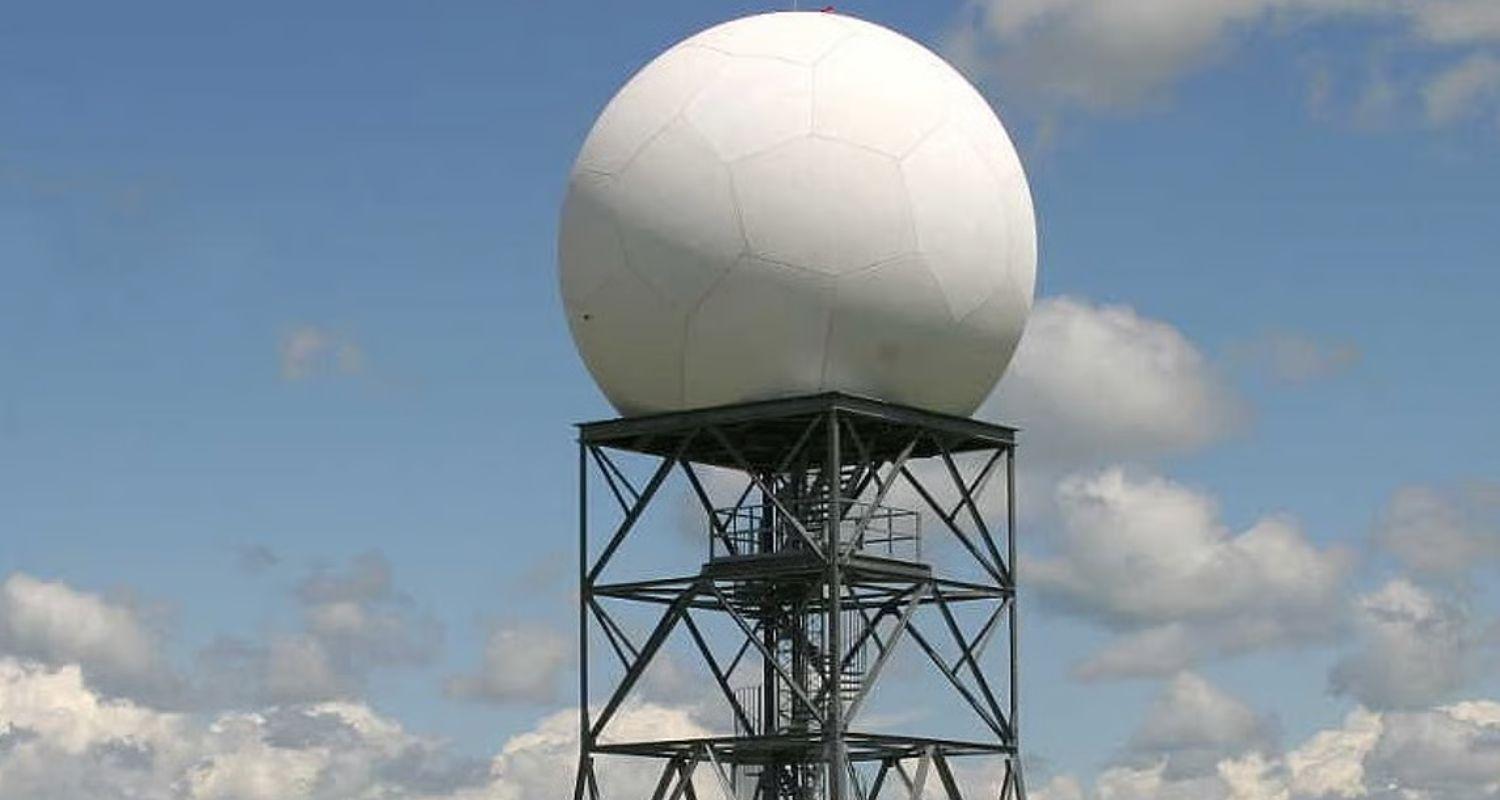
The India Meteorological Department (IMD), under the Ministry of Earth Sciences (MoES), is set to commission a state-of-the-art X-Band Doppler Weather Radar (DWR) at Pulpally in Kerala's Wayanad district by the end of December 2026, a move aimed at significantly strengthening weather monitoring and improving early warning systems for extreme weather events in the region.
According to an official statement issued on Thursday, the radar project is in its final phase of installation and infrastructure development. Once operational, it will enhance the IMD's capability to monitor rapidly changing weather conditions, particularly intense rainfall, thunderstorms and cloudburst-like events that frequently affect the hilly terrain of Wayanad and neighbouring districts.
The radar is being installed at Pazhassi Raja College, Pulpally, which has provided the land for the project. The initiative has been facilitated with the active coordination and support of the Kerala State Disaster Management Authority (KSDMA), reflecting close cooperation between the Central and State governments in strengthening disaster preparedness.
The X-Band Doppler Weather Radar will provide high-resolution weather surveillance over a radius of approximately 100 kilometres, with Pulpally serving as the centre of its coverage area. The radar will continuously monitor atmospheric conditions and generate real-time weather data, enabling meteorologists to track the formation, intensity and movement of severe weather systems with much greater precision than conventional observation methods.
Officials said the radar will be fully manned, operated and maintained by trained technical and meteorological personnel of the IMD. Dedicated teams will oversee round-the-clock operations to ensure uninterrupted monitoring and timely dissemination of weather information.
Installation of the radar equipment and associated infrastructure has reached the final stage. Before it is formally commissioned, the system will undergo a series of technical and operational acceptance tests to verify its performance, accuracy and reliability. Subject to the successful completion of these tests, the radar is expected to become operational by the end of December 2026.
The new radar is expected to play a crucial role in improving weather forecasting across Wayanad and adjoining regions of Kerala and neighbouring states. By providing high-frequency, high-resolution observations, it will enable forecasters to issue more accurate and location-specific warnings for heavy rainfall, thunderstorms, lightning, gusty winds and other hazardous weather events.
Also read: K'taka electoral roll revision nears deadline
The project assumes particular significance in view of Wayanad's vulnerability to extreme weather, including heavy rains, landslides and flash floods during the southwest monsoon. Faster detection of developing weather systems will provide disaster management authorities with additional lead time to initiate evacuation measures, deploy emergency response teams and alert vulnerable communities.
According to the IMD, the enhanced weather surveillance capability will also benefit district administrations, disaster response agencies, farmers and the general public by improving the accuracy and timeliness of weather advisories. Better forecasting will support more effective disaster risk reduction, safeguard lives and property, and help authorities make informed decisions during adverse weather conditions.
The X-Band Doppler Weather Radar forms part of the Ministry of Earth Sciences' broader efforts to modernise India's meteorological infrastructure through advanced observation systems and cutting-edge forecasting technology. As climate variability increases the frequency and intensity of extreme weather events, such high-resolution radar networks are expected to play an increasingly important role in strengthening India's early warning systems and improving resilience against natural disasters.

 Follow us