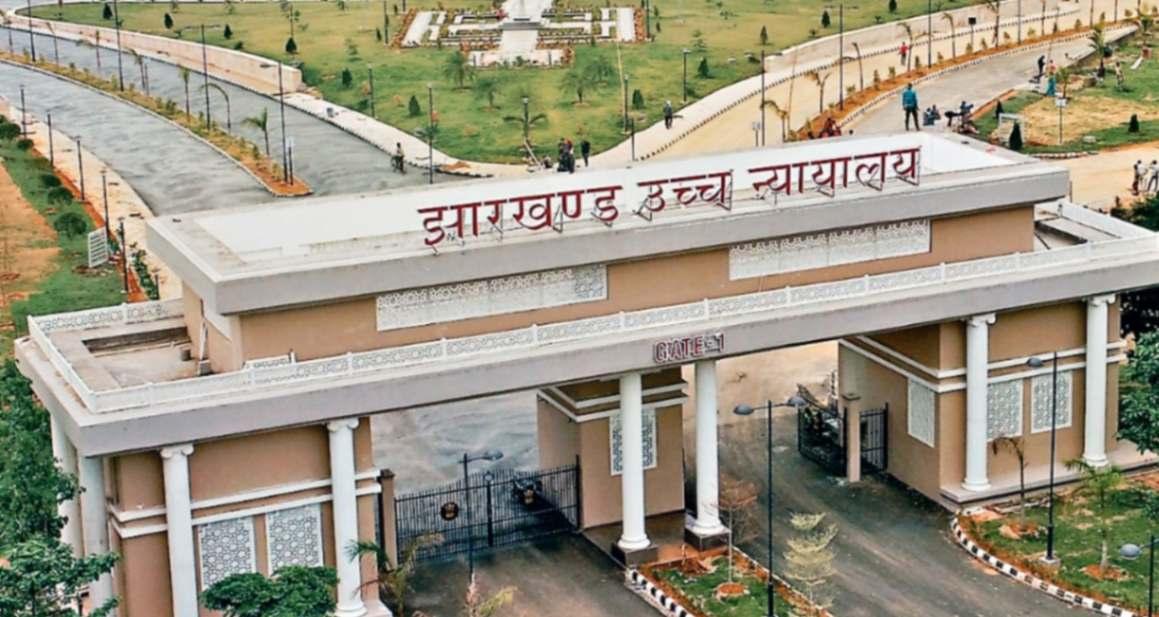
Under mounting pressure from the Jharkhand High Court over the prolonged delay in enforcing the Panchayat (Extension to Scheduled Areas) Act, 1996 (PESA), the State Cabinet on Tuesday approved the Panchayat Provisions (Extension to Scheduled Areas) Jharkhand Rules, 2025, finally putting in place the legal framework for tribal self-governance in Scheduled Areas.
The move has assumed urgency after the High Court put a halt on sand ghat auctions in Scheduled Areas and cautioned the government against proceeding with mineral-related decisions without operationalising PESA, warning that such actions could invite contempt of court.
PESA is a constitutional safeguard intended to ensure decision-making powers rest with tribal communities in notified areas.
Jharkhand has 13 Scheduled Area districts out of its total 24. With the notification of the rules, Gram Sabhas will emerge as the central authority in matters related to local development, beneficiary identification and the management of natural resources.
The decision is expected to enable tribal villages to function in line with their traditional governance systems, free from outside control.
As per the approved rules, Gram Sabhas will exercise control over minor minerals including sand and stone, forest produce, water bodies and other community assets.
Revenue generated from mining, forests and local markets will flow back to villages, while reinforcing the customary rights of tribals over land, forests and water.
The rules introduce stronger safeguards against land alienation. Any acquisition of land or transfer to non-tribals will require prior approval of the Gram Sabha.
Villages will also be empowered to reclaim tribal land taken through fraudulent means, a provision aimed at addressing long-standing grievances related to land dispossession.
Financial autonomy has also been built into the framework. Gram Sabhas will be authorised to constitute their own funds through sources such as donations, penalties and royalties from forest produce.
They will have a determining role in the use of District Mineral Foundation Trust (DMFT) resources as well as grants released under Article 275(1) of the Constitution, ensuring development spending is guided by local priorities.
In addition, the rules seek to preserve tribal customs, traditions and religious practices. Gram Sabhas will have the authority to assist in resolving customary disputes, maintaining community order and dealing with minor offences.
Police authorities will be mandated to inform the Gram Sabha within 48 hours of any arrest in Scheduled Areas.
By placing Gram Sabhas at the heart of planning and implementation of government schemes, the state government expects greater transparency, reduced leakages and a meaningful impact on chronic challenges such as poverty, unemployment and migration in tribal belts.
Also read: Severe cold wave hits Jharkhand, five dead in 24 hours

 Follow us