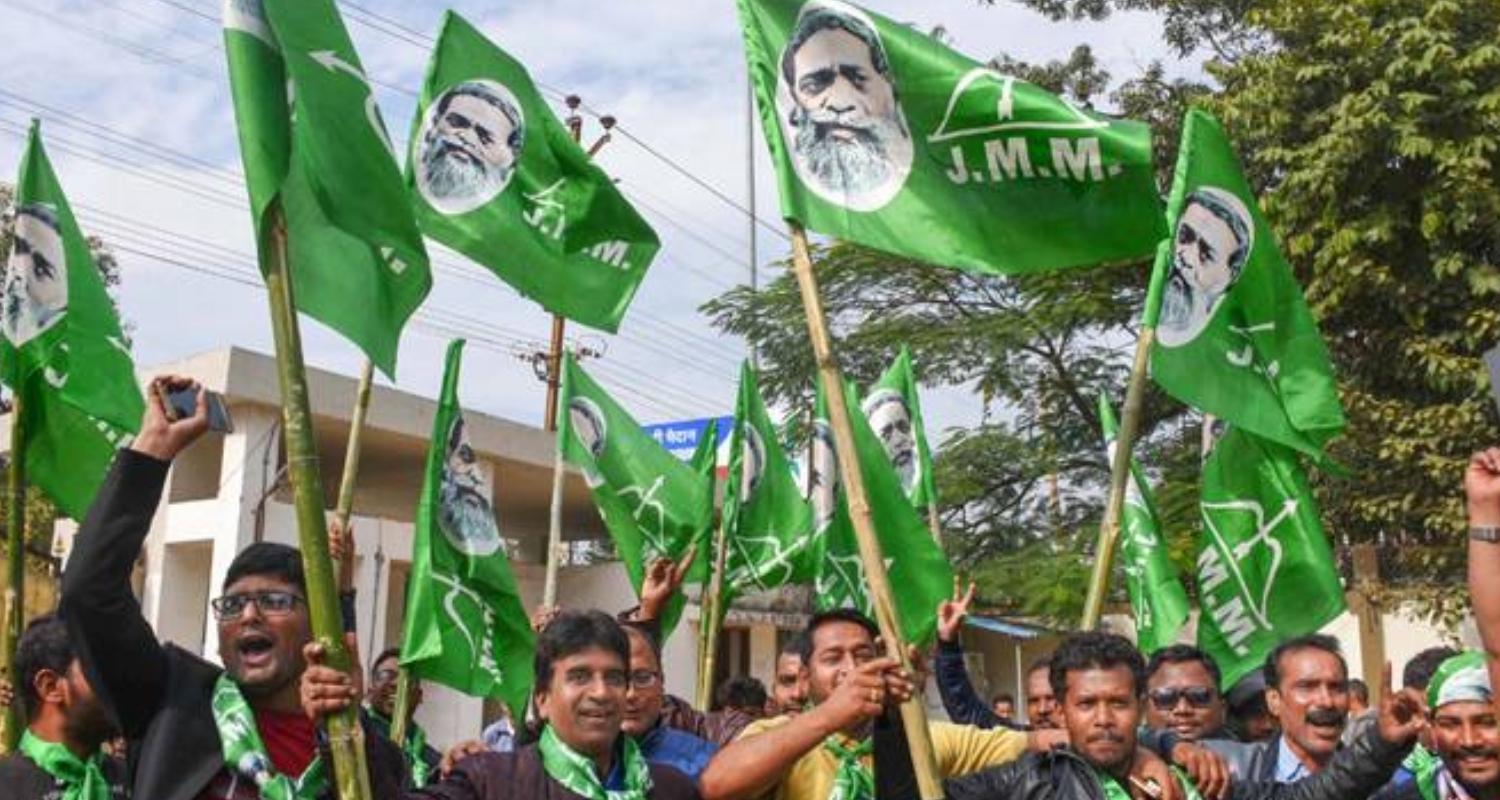
The Jharkhand Mukti Morcha (JMM) is planning a significant electoral push in the upcoming assembly elections in Assam, with indications that it may contest around 31 constituencies.
The strategy was reportedly shaped during a recent central committee meeting attended by top party leaders.
Party insiders say the decision is rooted in Assam’s sizeable tribal population, including communities with origins in Jharkhand. The leadership believes these groups require stronger political advocacy to address their socio-economic concerns and ensure their rights are protected.
JMM aims to position itself as a voice for these communities, campaigning on themes of development, dignity and social justice.
Despite the internal discussions, party spokesperson Manoj Pandey maintained that no official announcement has been made regarding the number of seats.
“It is certain that we will contest the Assam polls, but the final seat count is yet to be confirmed,” he said, adding that the party has not yet decided whether it will go solo or form alliances.
In preparation for the elections, JMM has unveiled a list of 20 Star Campaigners. The lineup features Hemant Soren, his wife and MLA Kalpana Soren, along with several senior leaders and Cabinet ministers.
Also read: ECI announces Assembly poll schedule for 4 states, Puducherry
A key focus for the party is Assam’s tea garden workforce, a large section of which comprises tribal communities whose ancestors migrated from the Chhotanagpur region of Jharkhand during the colonial period. JMM is looking to mobilise this segment as a potential support base.
During a recent visit to Assam, Hemant Soren highlighted the crucial role played by tribal workers in sustaining the tea industry. He stressed that these communities deserve recognition, rights and respect for their contribution.
He also called for unity and awareness among tribal groups, warning that disunity could weaken their struggle for justice.
Soren further asserted that collective strength among the poor, labourers and marginalised sections can ensure their voices are heard and cannot be suppressed.
Notably, during the visit, he held separate meetings with leaders from two opposition parties, signalling the possibility of strategic tie-ups ahead of the assembly polls.

 Follow us