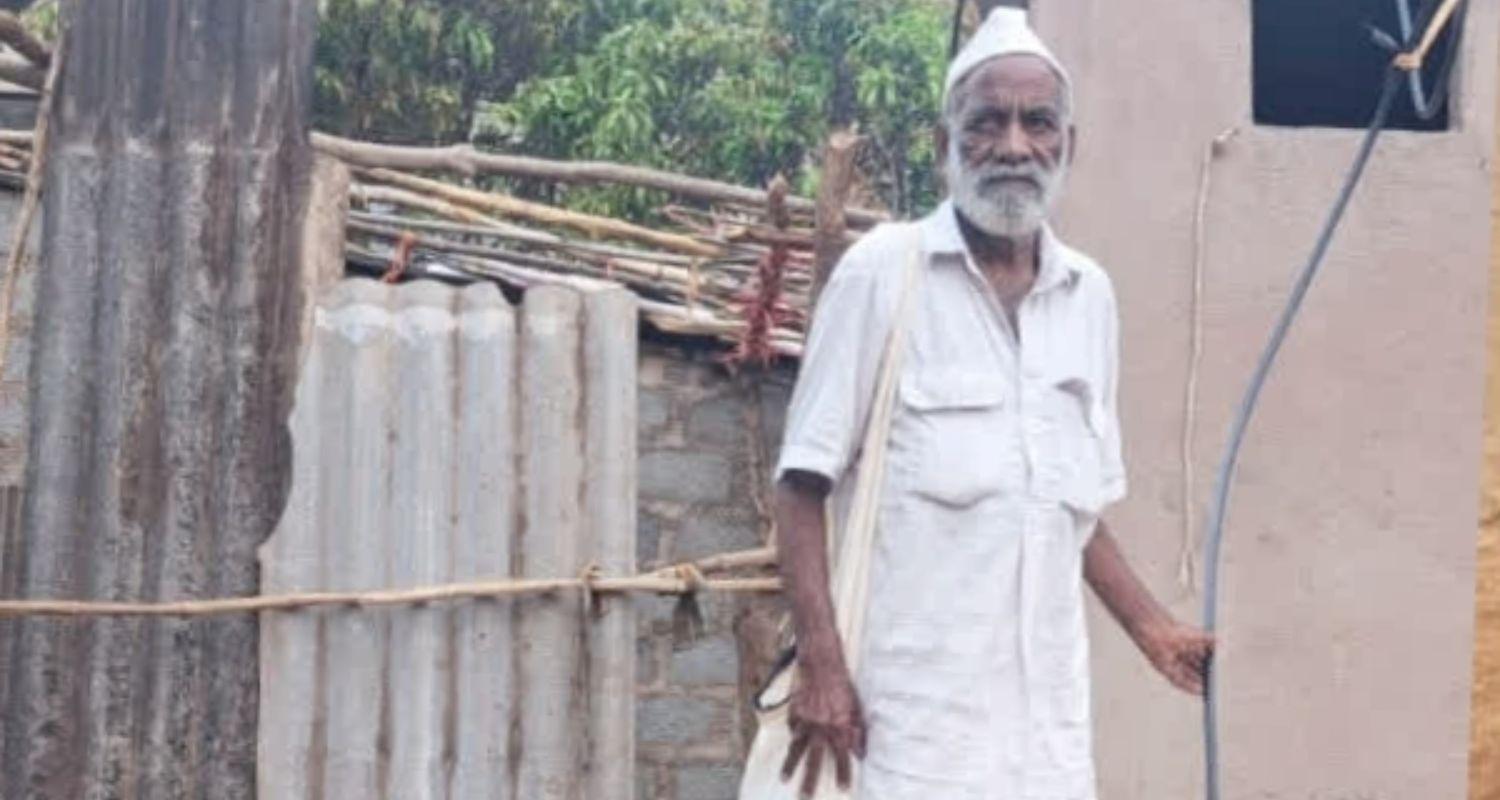
At a time when concerns over fuel shortages and rising LPG costs dominate national discourse, a small village in Belagavi district, Karnataka, has quietly emerged as a model of sustainable energy independence.
In Kattanbhavi village, nearly 85 per cent of households rely not on LPG cylinders but on gobar gas — biogas produced from cattle dung and organic waste — for their daily cooking needs. Of the village’s roughly 250 households, over 200 have functional biogas units installed in their backyards, ensuring a steady and self-sufficient energy supply.
Residents say the system has insulated them from fluctuations in fuel availability. “We don’t have to worry about booking cylinders or shortages. The gas is produced at home,” said a local villager, adding that many families have been using biogas consistently for over four decades.
The village’s success is rooted in its agrarian lifestyle. With most households engaged in farming and dairy activities, cattle dung is readily available. Combined with toilet waste, it is used to generate methane gas, which is piped directly into kitchens. A walk through the village reveals biogas units in almost every home, quietly powering stoves.
The transformation of Kattanbhavi is largely credited to 76-year-old environmentalist Shivaji Kaganikar. In the early 1990s, he spearheaded a campaign to promote gobar gas as a cleaner alternative to firewood, which was then widely used in the village.
With support from organisations such as Janjagruti Sanstha and Khadi Gramodyog, biogas units were installed in nearly 30,000 homes across Belagavi, Hukkeri, and Khanapur taluks between 1990 and 1995.
“People were cutting trees from nearby hills for firewood, which harmed both the environment and health,” Kaganikar recalled. “We went door to door explaining the benefits of smokeless cooking and sustainable fuel.”
The journey, however, was not without resistance. Villagers initially opposed the initiative, with some even reacting aggressively. But sustained awareness efforts eventually led to widespread acceptance.
Today, residents highlight not just convenience but also economic and safety benefits. “There are no recurring costs like LPG cylinders, and no risk of explosions,” said homemaker Mallavva Pavale. Others pointed out that even households with fewer cattle continue to produce sufficient gas by efficiently managing waste inputs.
Local farmer Maruti Kotekar, who recently installed a unit, said the shift has already proven beneficial. “Cattle dung was going to waste earlier. Now it is a valuable resource,” he said.
According to Sriram Kamath, government subsidies and awareness campaigns played a crucial role in the initial adoption. Households built the units themselves using subsidised materials such as bricks, cement, and sand.
However, Kaganikar cautioned that the increasing availability of subsidised LPG cylinders has slowed the adoption of biogas in some regions. He termed it a missed opportunity, especially as India continues to rely heavily on fuel imports.
“Both the Centre and states should promote biogas among cattle-owning households and enhance subsidies. It can significantly strengthen energy security,” he said.
Kattanbhavi’s experience underscores how simple, locally driven solutions can address larger global challenges—offering a sustainable path toward energy independence rooted in community effort.
Also read: HC issues notice to Siddaramaiah, others in MUDA case

 Follow us