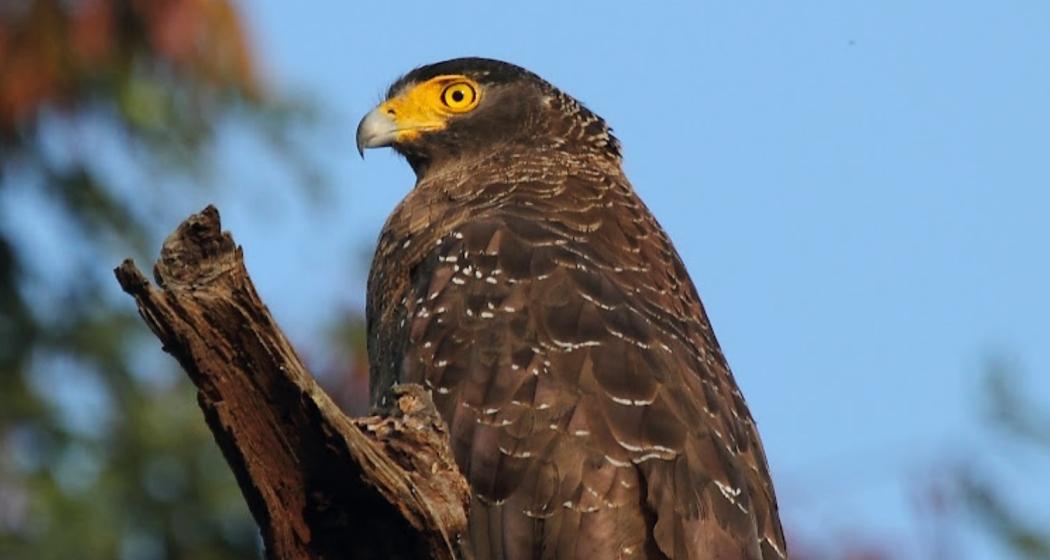
Assam’s Kaziranga Tiger Reserve has emerged as one of India’s most important habitats for birds of prey, with a recent survey recording nearly 45 per cent of the country’s raptor species and six of India’s eight stork species within the protected landscape.
The findings, released on World Environment Day, are based on a joint stork and raptor survey conducted by the Kaziranga Tiger Reserve authority and research scholars from universities in Assam during February and March this year.
The survey documented 30 species of raptors, including vultures, eagles, falcons and owls, along with six species of storks across Kaziranga and adjoining protected areas. Researchers recorded 217 individual raptors and 266 individual storks.
Among the notable sightings were globally threatened species such as the Slender-billed Vulture, Red-headed Vulture, Greater Spotted Eagle, Greater Adjutant, Lesser Adjutant and Black-necked Stork.
Also read: Rare albino hog deer spotted in Kaziranga National Park
The survey found that nearly 50 of the 112 raptor species recorded in India have been documented from the Kaziranga landscape, underlining the reserve’s significance for avian conservation.
Researchers also highlighted Kaziranga’s importance for the endangered Pallas’s Fish Eagle. Earlier studies by the Wildlife Institute of India recorded 10 active nests in the reserve, making it the protected area with the highest known concentration of breeding sites for the species globally.
The survey noted that a male Pallas’s Fish Eagle tagged in Mongolia in 2020 has returned to Kaziranga every year for breeding, undertaking a transboundary migration between Central Asia and Assam.
Kaziranga National Park recorded the highest diversity with 21 raptor species and five stork species. The adjoining Biswanath Wildlife Division recorded 20 raptor species and six stork species, while the Nagaon Wildlife Division recorded 14 raptor species and five stork species.
The Asian Openbill was the most abundant stork species with 92 sightings, while the critically endangered Greater Adjutant was recorded only three times. Among raptors, the Himalayan Griffon was the most commonly sighted species.
The findings are expected to guide future conservation measures, including protection of nesting habitats and monitoring of threatened species.

 Follow us