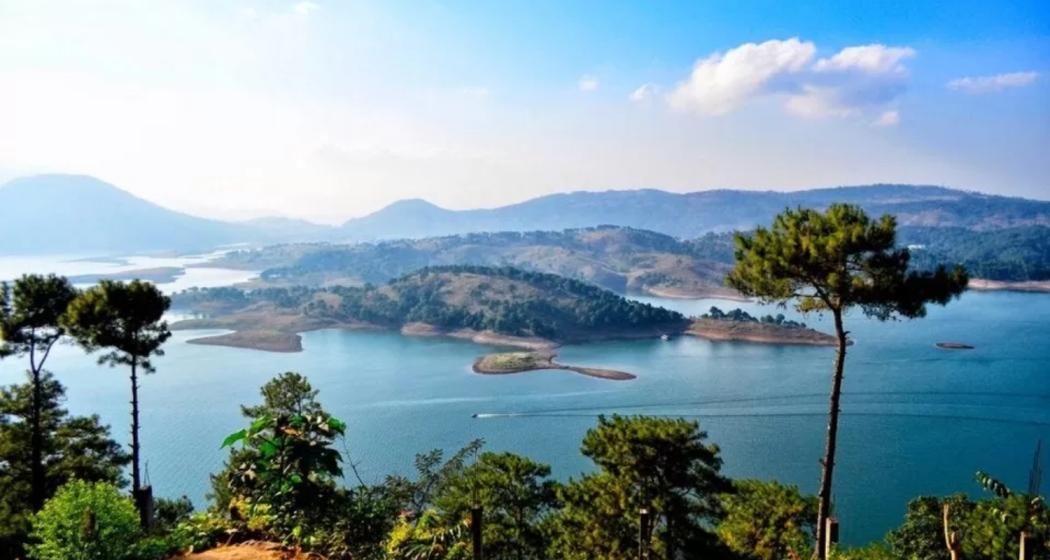
Opposition to a proposed luxury tourism project on Lumpongdeng Island in Meghalaya’s Umiam has intensified, with environmental activists warning that the plan could irreversibly damage the island’s fragile ecosystem.
The Green-Tech Foundation Meghalaya has objected to the reported transfer of around 66 acres of land, including 33 acres on the island, to a private firm for a Taj-branded five-star resort and spa project. The group has raised concerns over a 60-year lease agreement, alleging that it signals long-term commercial exploitation of an ecologically sensitive zone.
At Malki Ground, where the organisation’s chairman H. Bansiewdor Nonglang continued his indefinite hunger strike for the ninth day, the foundation said the protest would persist until all agreements linked to the project are revoked.
Secretary-general Ritre Lyngdoh questioned the government’s shifting position on the project, pointing to what he described as conflicting statements — from initial approval to claims that no permanent structures would be built, followed by assurances of limited temporary construction, and later suggestions that no development would take place at all.
Also read: Meghalaya to launch DNA, linguistic study on tribal origins
“A 60-year lease clearly indicates commercial intent,” Lyngdoh said, questioning the rationale behind signing a concession agreement if no development was planned.
In a formal communication to the state tourism department, the group demanded the withdrawal of key approvals, including the handover certificate issued in December 2025, the concession agreement signed in February 2026, and the lease document for the island.
The foundation also criticised the lack of a clear stand from most Khasi political leaders, alleging that political considerations were preventing them from speaking out. It noted that while the BJP has called for reconsideration of the project and stronger environmental safeguards, other parties in the ruling coalition have remained largely silent.
Rejecting allegations of political motivation, the group said its campaign is driven solely by environmental and public interest concerns. It also claimed to have faced legal pressure, misinformation, and personal attacks during the course of the protest.
Calling for greater transparency, the activists urged authorities to involve citizens in decision-making and respect democratic processes before proceeding with projects that could have lasting environmental consequences.

 Follow us