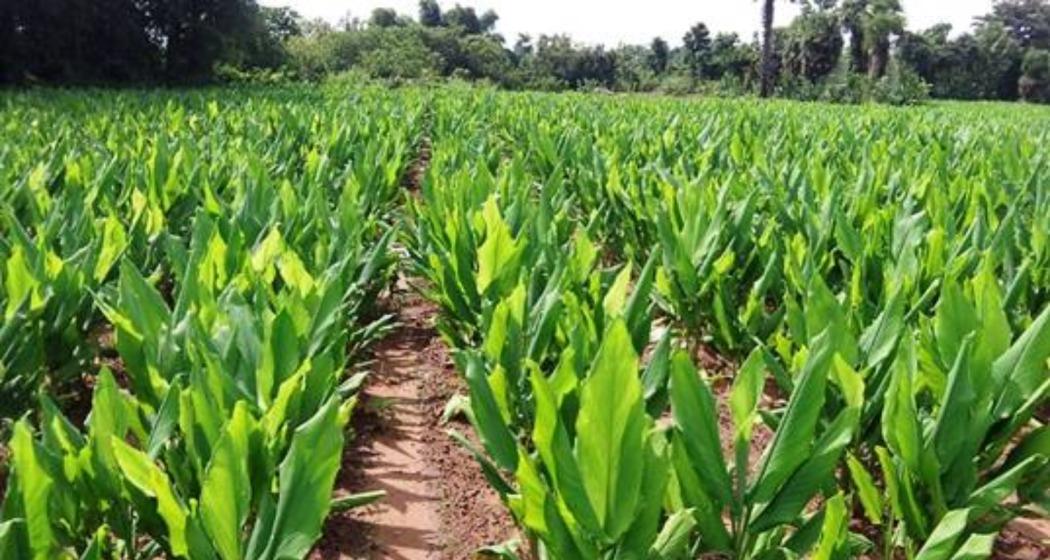
Meghalaya Chief Minister Conrad K. Sangma on Friday launched the second phase of the state's ₹295 crore organic farming mission, reaffirming the government's commitment to promoting sustainable agriculture and strengthening rural livelihoods.
The new phase of the programme was launched during the inaugural session of the International Conference on Women Farmers and Sustainable Organic Agriculture in Shillong. As part of the initiative, the state government distributed ₹5.8 crore in financial assistance to village cooperative societies to support grassroots organic farming activities and strengthen community-led agricultural initiatives.
Addressing the gathering, Sangma underlined the pivotal role of women in advancing Meghalaya's organic farming movement. He said the state's matrilineal social structure gives women a unique sense of ownership and responsibility, which has contributed significantly to the success of sustainable farming practices across the state.
"Whatever actions we take, we must keep our farmers, women, youth and other stakeholders in front of us," the Chief Minister said, reiterating that the government's development agenda places farmers, women and young people at its core.
Also read: Meghalaya tribal council denies Blinkit trading licence
He said Meghalaya's indigenous farming traditions continue to provide a strong foundation for the state's agricultural policies, adding that the government remains focused on building an inclusive and community-driven model of development.
The second phase of the organic farming mission aims to expand sustainable cultivation practices while strengthening institutional support for farmers through village cooperatives. Officials said the financial assistance would help improve farming activities at the grassroots level and encourage wider adoption of organic agriculture.
Organic farming has emerged as one of Meghalaya's key agricultural priorities in recent years, with the government seeking to reduce dependence on chemical inputs, improve farm incomes and promote environmentally sustainable cultivation practices.
The latest phase of the mission is expected to build on the progress achieved under the first phase by expanding the reach of organic farming and empowering local communities to adopt sustainable agricultural methods.

 Follow us