History has a strange sense of humour.
Once, the court of Mir Jafar saw streams of subjects from Bengal, Bihar, and Odisha arrive with tributes. Today, his descendants stand in queues — documents in hand — trying to prove something far more basic: that they belong.
Ahead of the West Bengal Assembly Election, a peculiar controversy has surfaced from Murshidabad. Over a hundred members of the Nawab family allege that their names have been struck off the voter list — some permanently — raising a question that feels almost surreal: can a lineage so deeply tied to the region be rendered electorally invisible?
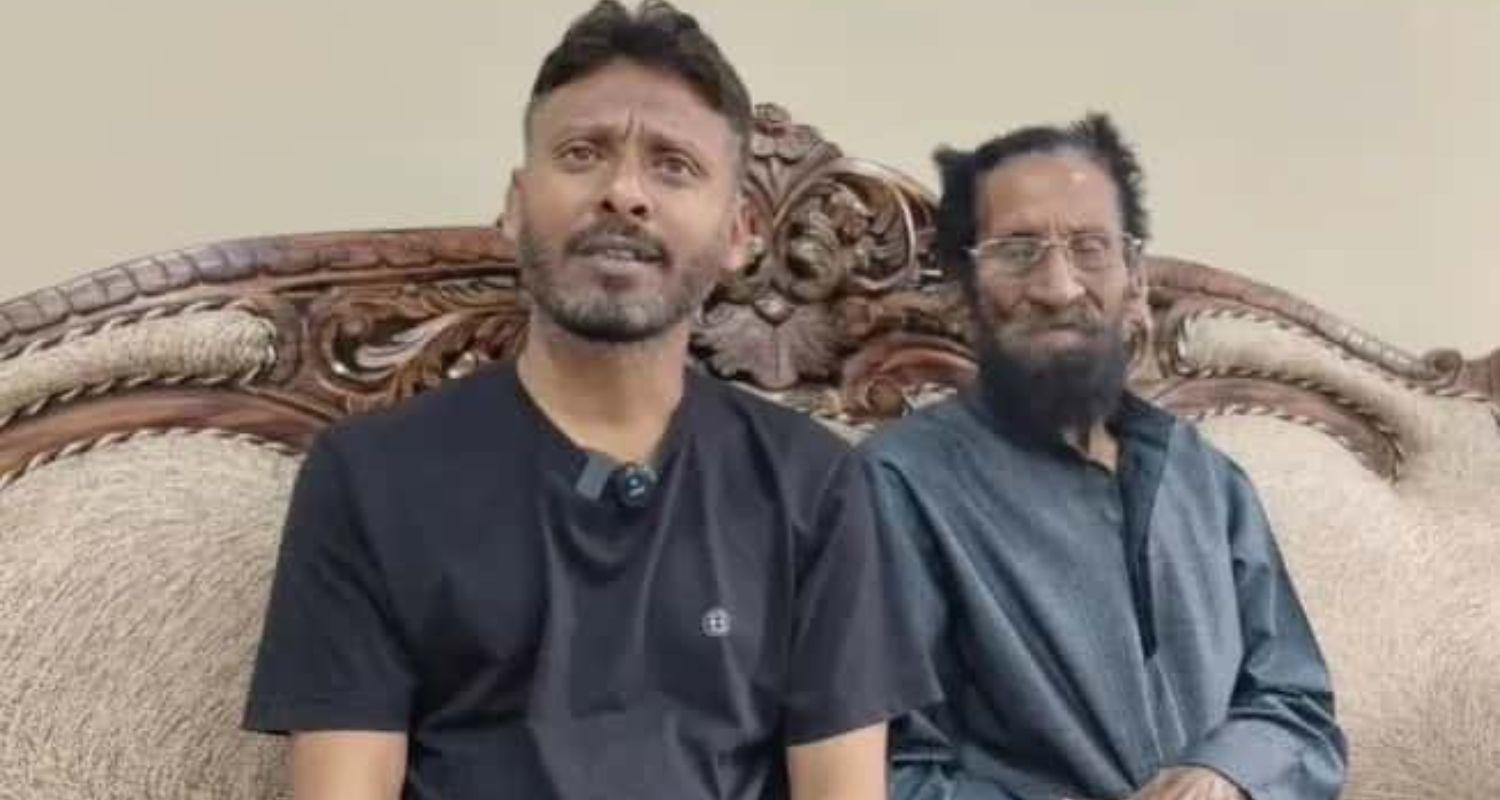
Inside the historic Killa Nizamat, where echoes of royal authority still linger, lives Syed Mohammed Fahim Mirza, a 16th-generation descendant of Mir Jafar and a Trinamool Congress (TMC) councillor. His frustration is palpable, but measured.
“My father and I voted in 2002. Today, our names are gone,” he says, almost as if stating an administrative error— except it isn’t just one.
At Booth No. 121 in Lalbagh, where the family traditionally votes, 286 names out of roughly 850 have reportedly been deleted. A significant number belong to the Nawab lineage. Fahim, his father, his wife, and several extended family members are among them.
The symbolism is hard to miss. The heirs of those who built Murshidabad’s architectural legacy — stretching from the famed Hazarduari Palace to lesser-known Nawab-era structures—now find themselves erased not from history, but from a spreadsheet.
Fahim draws on that history with quiet intensity. He references Syed Wasif Ali Mirza, who, he claims, was once offered Pakistan’s presidency but chose to remain in India. He recalls the brief, almost forgotten moment when Murshidabad was part of Pakistan for three days before being integrated into India after Independence.
“What greater proof do we need?” he asks.
Yet the issue, at least officially, is procedural. Name discrepancies, corrections, supplementary lists— bureaucracy’s familiar maze. Fahim points out that even after complying with all requirements, including a personal appearance by his 82-year-old father, the outcome remained unchanged.
There is, of course, a remedy: approach the tribunal.
But here lies the quiet irony— justice may come, just not in time to vote.
Meanwhile, political responses remain cautious. Incumbent MLA and this year’s BJP candidate from Murshidabad constituency Gourishankar Ghosh maintains that no valid voter’s name is removed without reason and suggests filing Form 6 for re-inclusion.
Between official assurances and lived reality sits a gap— one that even history struggles to bridge.
Once, the Nawabs presided over disputes in grand courts. Today, their descendants wait for a hearing notice.
The throne is gone. The power is gone. And now, it seems, even the vote is uncertain.
Also read: BJP releases fourth list of 13 candidates for Bengal polls

 Follow us