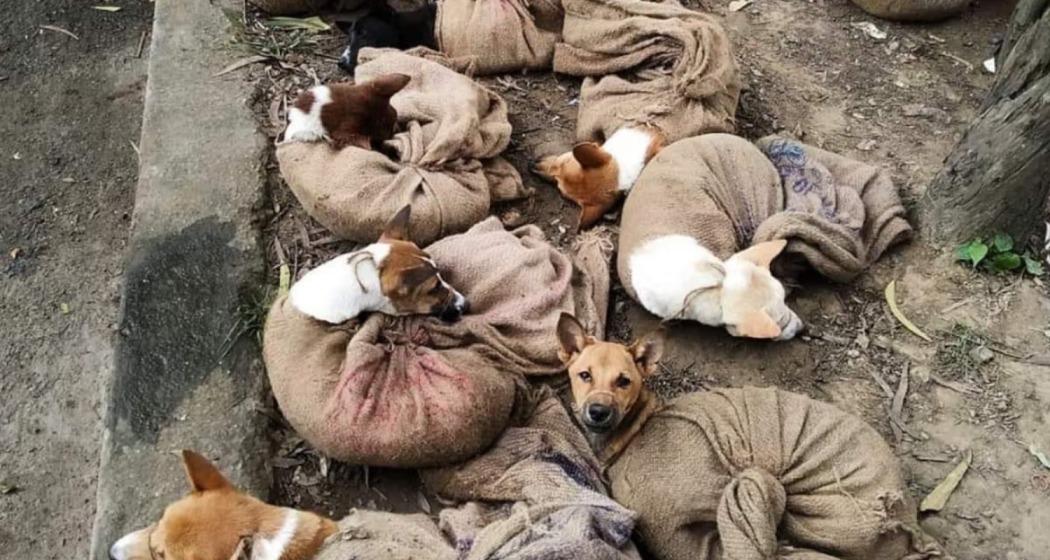
In a significant development for animal welfare in Northeast India, three long-time dog meat wholesalers in Nagaland have permanently exited the trade after more than two decades, surrendering the last 18 dogs in their possession and adopting alternative livelihoods.
The wholesalers, who supplied dogs to meat markets in Dimapur and Mokokchung districts as well as neighbouring Manipur, have joined a livelihood transition programme that trains former traders in sustainable businesses such as mushroom cultivation, pickle making and small-scale entrepreneurship.
Animal welfare organisations described the move as one of the biggest setbacks to the dog meat trade in the region in recent years, as the three wholesalers were part of a supply chain that sourced and distributed dogs to markets across Nagaland and neighbouring states.
The transition was facilitated under the Models for Change programme, implemented by NGO Pro Rural with support from Humane World for Animals India.
As part of their decision, the wholesalers voluntarily surrendered the surviving 18 dogs they had recently purchased. Several of the rescued animals have already been adopted by families in Nagaland, while the remaining dogs have been shifted to shelters in Assam for veterinary treatment, rehabilitation and adoption. The animals were vaccinated, treated and microchipped before being relocated.
The programme, launched in 2025, has already helped 30 women dog meat vendors leave the trade, with another 30 expected to transition to alternative livelihoods in the coming months.
According to Humane World for Animals India, many people remained in the trade due to a lack of sustainable income opportunities. The initiative provides training, mentoring and financial support to help participants establish safer and more humane businesses.
One former wholesaler said pickle-making training encouraged the decision to leave the trade. Besides starting a small shop, the trader now plans to learn mushroom cultivation and baking, urging others to explore more humane livelihood options.
Animal welfare groups have long maintained that dogs sold in the meat trade are often stolen or captured from neighbouring states. They also warn that the trade poses public health risks, including the spread of rabies and other zoonotic diseases.
Also read: Assam, Nagaland sign oil and gas exploration pact in border areas

 Follow us