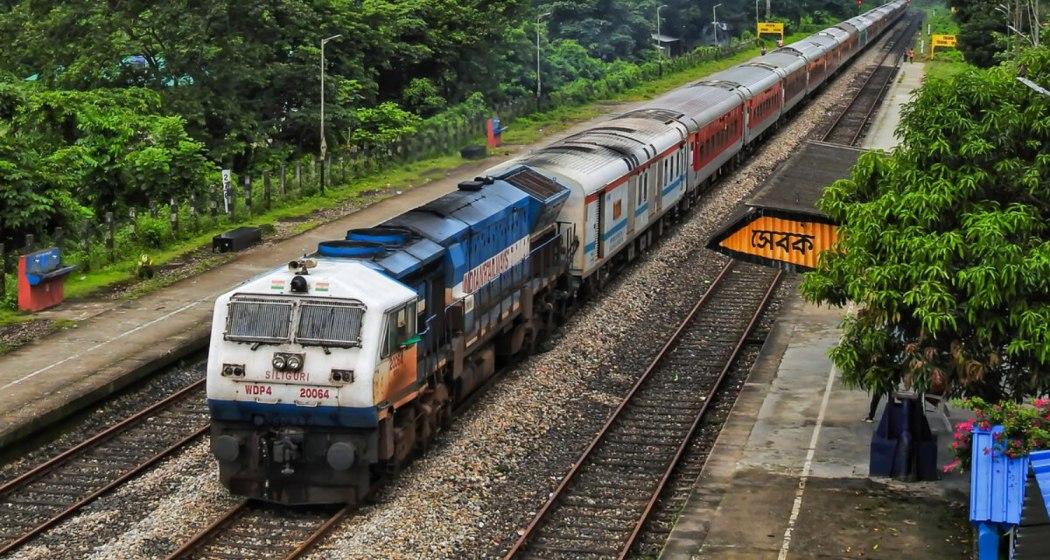
The Northeast Frontier Railway has expanded its passenger-friendly footprint by adding 42 new train stoppages across Assam and West Bengal, a move aimed at strengthening regional connectivity and easing travel for commuters in semi-urban and rural pockets.
Railway officials said the additional halts, introduced in 2025, were finalised after assessing passenger demand and operational feasibility, reflecting a push towards more customer-oriented services in the eastern and northeastern corridors.
Assam accounts for the bulk of the new stoppages, with 32 halts added to 23 trains. Major long-distance services such as the Brahmaputra Mail, Kamrup Express, North East Express, Kanchanjunga Express and Avadh Assam Express are among those now stopping at additional stations. Towns including Diphu, Goalpara Town, Kokrajhar and New Haflong are set to benefit from improved access to key rail routes.
In West Bengal, eight trains have been provided with 10 new stoppages, including the Kanchan Kanya Express. Stations such as Kumedpur, Old Malda and Kanki in North Bengal have been brought onto the stopping map, a development expected to bolster rail connectivity in the region.
Also read: NFR to restore pre-COVID train numbers from January 2025
The new halts will allow passengers to board and disembark at stations that were earlier bypassed, reducing travel inconvenience and improving access to essential rail services. Railway officials noted that the initiative is part of a broader effort to support local communities by improving mobility and linking less-connected areas to major economic and social centres.
The Northeast Frontier Railway covers a vast network spanning over 4,100 kilometres of route length, stretching across the northeastern states and parts of eastern India, including Assam, Arunachal Pradesh, Tripura, Nagaland, Mizoram, Manipur, Meghalaya, North Bengal and Bihar.
This extensive rail grid plays a critical role in connecting remote, hilly and border regions with major urban centres, facilitating passenger movement, trade and strategic mobility while supporting the region’s economic and social integration with the rest of the country.

 Follow us