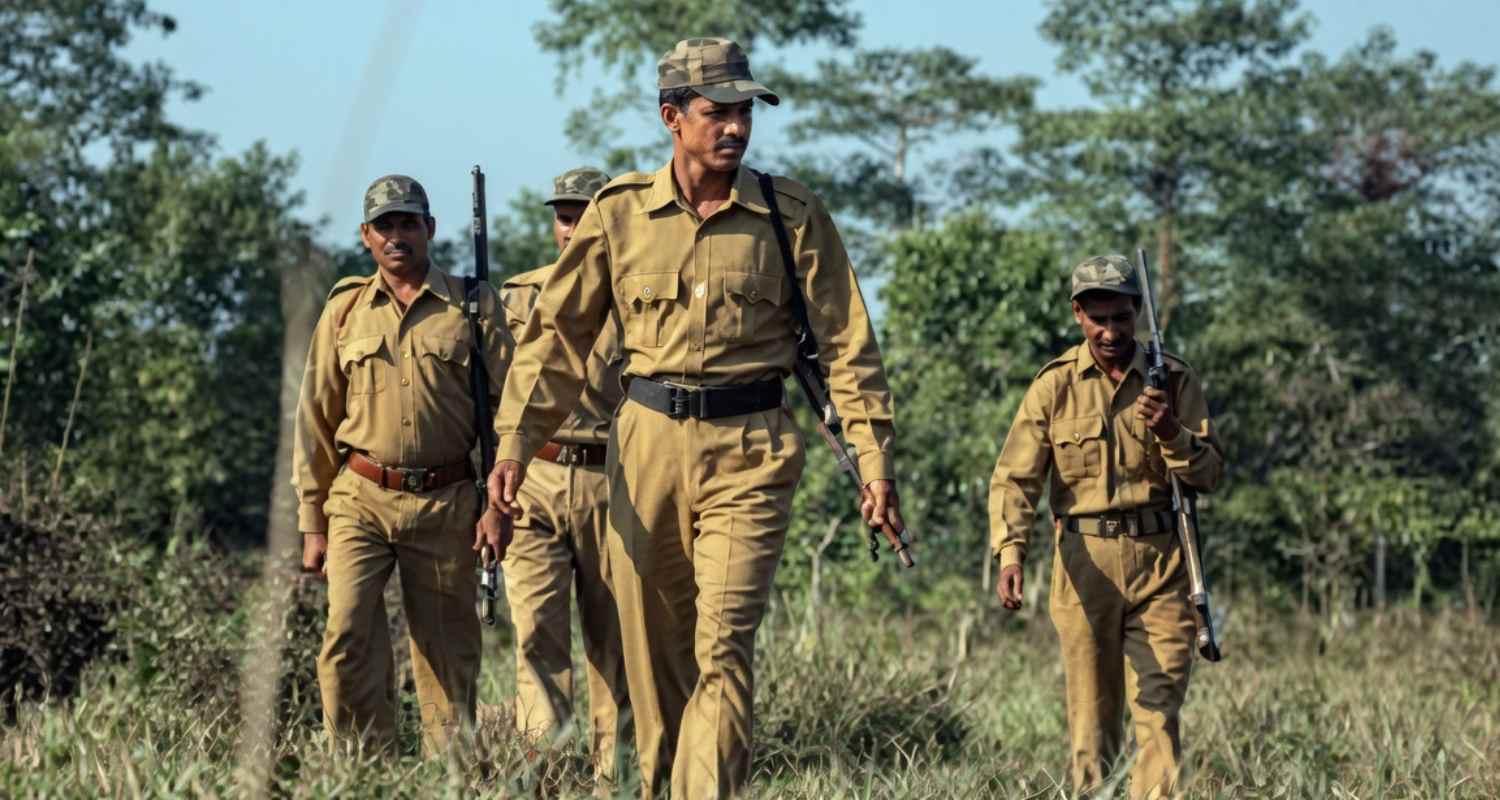
In a development that contrasts sharply with the usual rush for government jobs in India, a special recruitment drive for forest guards in Sidhi district of Madhya Pradesh has resulted in seven out of eight posts remaining vacant due to a lack of eligible candidates. The recruitment drive, conducted for the year 2026, was specifically aimed at candidates from Baiga, Bharia, and Sahariya communities, which are classified as Particularly Vulnerable Tribal Groups (PVTGs). Despite invitations being extended to eligible candidates across the state, only one candidate appeared for the selection process.
According to sources, the lone candidate — a woman from Umaria district — successfully completed all stages of the selection process, including document verification, physical tests, and the mandatory walking test. She was subsequently selected, while the remaining seven posts could not be filled.
The forest department had initially issued an advertisement for eight vacancies in the Sidhi Forest Division. Of these, five posts were reserved for general candidates within the specified tribal communities, one for ex-servicemen, and two for home guard volunteers belonging to the same groups.
Following the online application process, call letters were issued to 25 candidates for document verification and physical assessment. However, only one candidate turned up on the scheduled date of June 23, when the selection process was conducted in the presence of officials from the Rewa and Sidhi forest divisions.
As per the prescribed rules, candidates were required to complete a walking test—15 kilometres for women and 25 kilometres for men—along with other eligibility checks. The sole candidate fulfilled all requirements successfully.
Divisional Forest Officer Preeti Ahirwar stated, “The entire selection process was conducted strictly as per the government’s prescribed rules. Although 25 candidates were called, only one appeared. Therefore, she was selected.”
The outcome of the recruitment drive has drawn widespread attention, particularly in a country where government jobs typically attract lakhs of applicants for limited vacancies. The unusual lack of participation has raised concerns among both the administration and the concerned tribal communities regarding awareness, accessibility, and participation in such recruitment initiatives.
Officials are now expected to review the situation to understand the reasons behind the low turnout and explore measures to ensure better participation in future recruitment drives.

 Follow us