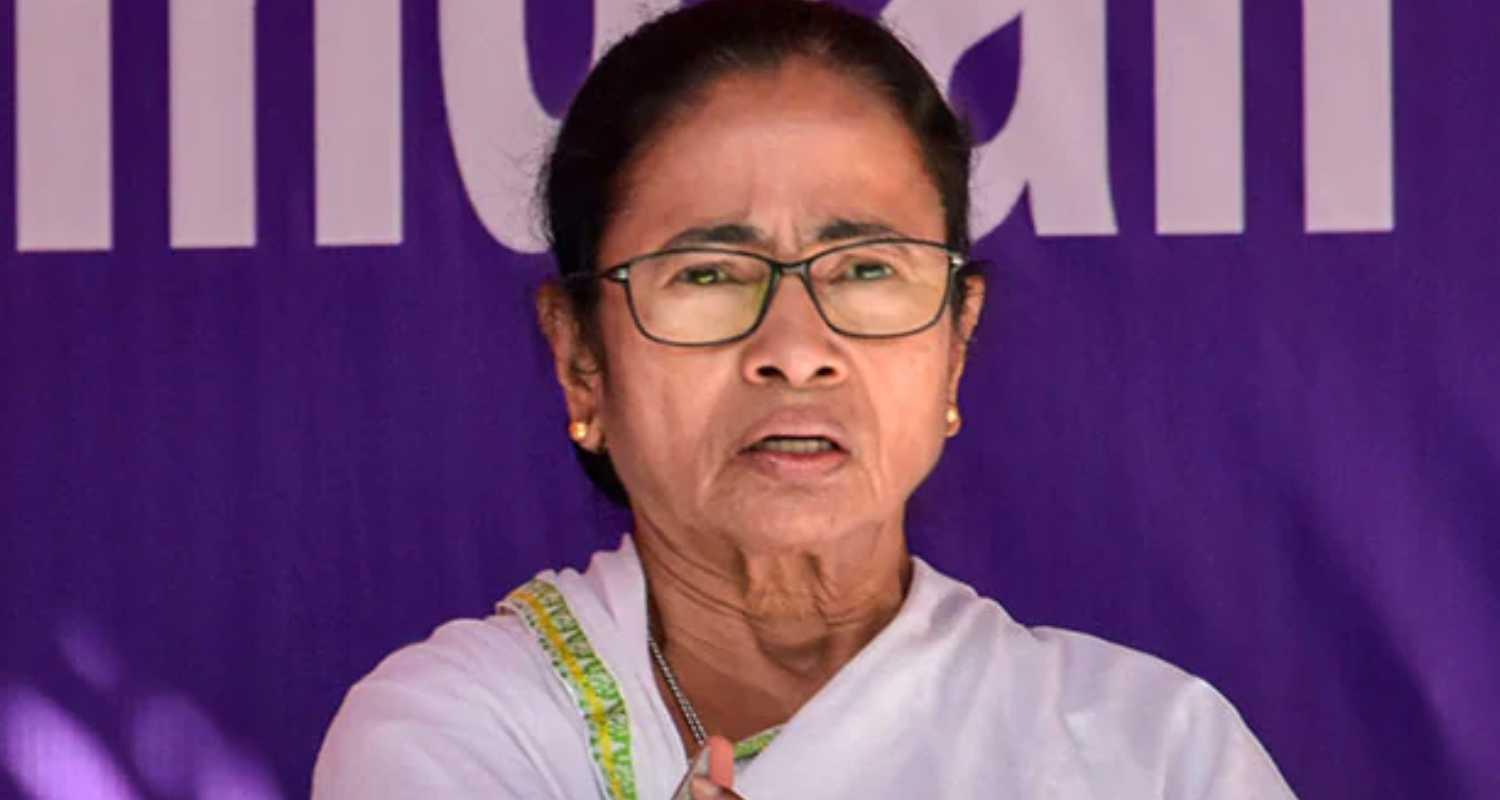
West Bengal government has decided to launch a comprehensive investigation into alleged financial irregularities and corruption during the 15-year tenure of former Chief Minister Mamata Banerjee, with plans to publish a detailed ‘White Paper’ on the findings. The decision was taken at a cabinet meeting held at Nabanna, the state secretariat, on Thursday, where a high-powered Group of Ministers (GoM) was constituted to oversee the probe.
The panel will be headed by State Finance Minister Swapan Dasgupta and will include Industry Minister Tapas Roy along with other senior members of the cabinet.
Political observers note that the formation of such a committee mirrors the GoM mechanism frequently used during the tenure of former Prime Minister Manmohan Singh at the Centre. By expanding the committee beyond the Finance Ministry, the government has indicated that the inquiry will cut across multiple departments and administrative layers.
According to sources, the proposed White Paper will examine a wide range of issues, including the alleged deterioration of law and order marked by extortion networks and so-called “syndicate raj,” as well as crimes against women. It will also scrutinise recruitment processes across departments such as education, municipal affairs, home, and cooperation, amid longstanding allegations of corruption.
The government is expected to review expenditures incurred during the Bengal Global Business Summits, comparing actual spending with official records. Additionally, the probe will assess the condition of the state’s public healthcare system, with particular focus on administrative failures highlighted by the rape and murder incident at RG Kar Hospital. Administrative functioning at the highest levels of Nabanna is also likely to come under the scanner.
In political terms, a White Paper is an official document used by governments to present verified data and analysis on specific issues to the public. While intended as a tool of transparency, such documents in India have often been used by incoming administrations to highlight the alleged shortcomings of their predecessors.
There is precedent for such moves at both the Centre and in states. Ahead of the 2024 Lok Sabha elections, Union Finance Minister Nirmala Sitharaman released a White Paper contrasting the economic performance of the UPA and NDA governments. Similarly, in 2023, the Congress government in Telangana published a report detailing the state’s financial liabilities after assuming office. Historically, some of the earliest White Papers in independent India were issued under Sardar Vallabhbhai Patel as part of the integration of princely states.
Although initially presented as an exercise focused on financial accountability, recent developments suggest that the scope of the Bengal government’s White Paper will be far broader. During his budget speech in the Assembly, Finance Minister Swapan Dasgupta had indicated that such a document would be introduced, but Thursday’s cabinet decision signals an expanded mandate.
By including issues ranging from governance and administrative practices to public safety and healthcare, the government appears to be positioning the White Paper as both a detailed audit and a political instrument aimed at scrutinising the previous administration’s record.

 Follow us