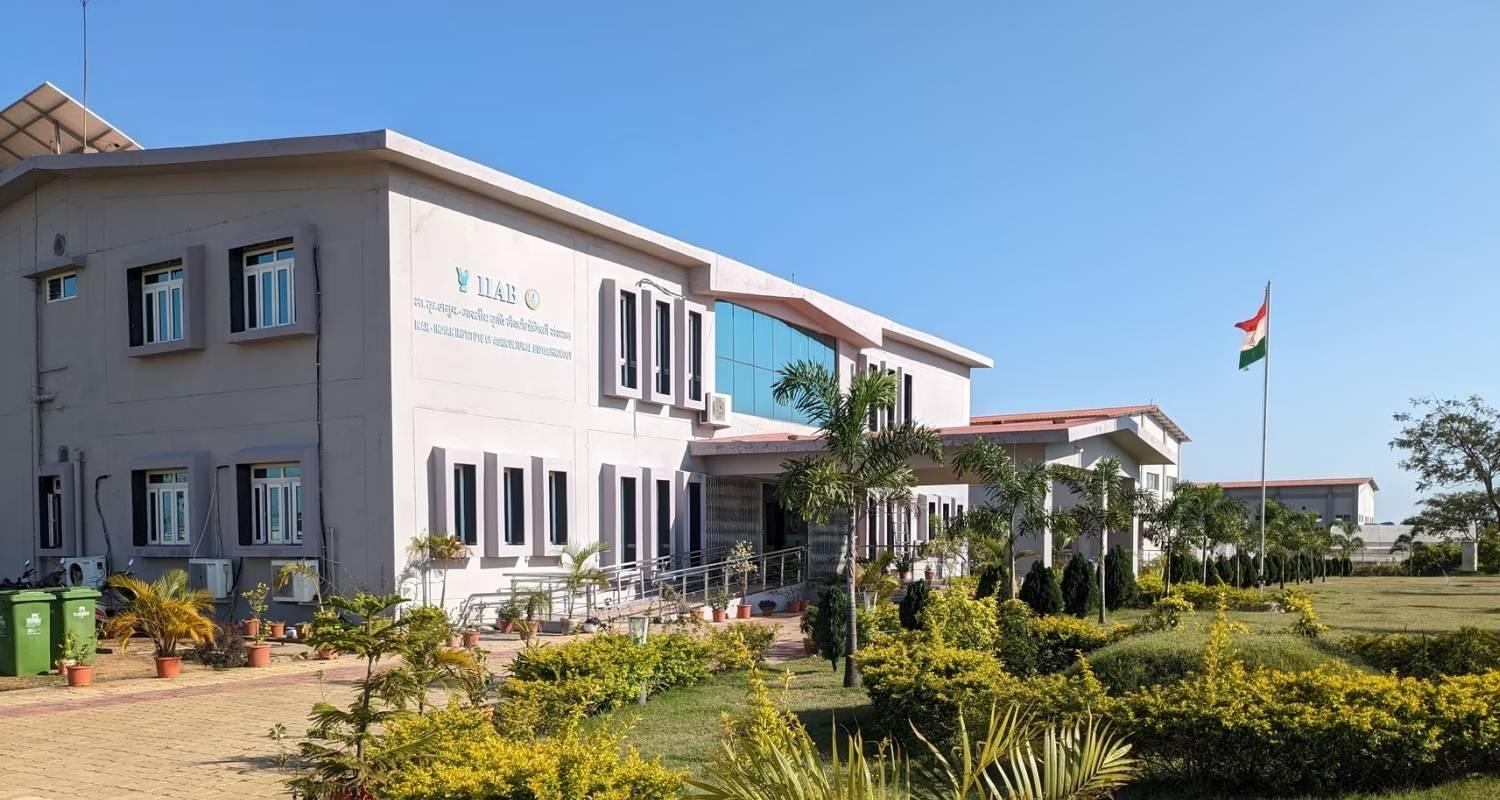
Scientists at the ICAR-Indian Institute of Agricultural Biotechnology (ICAR-IIAB) in Ranchi have accomplished a major scientific feat by producing the world's first chromosome-level reference genome of winged bean (Psophocarpus tetragonolobus), a nutrient-rich tropical legume that has remained largely underexplored.
The pioneering research has been accepted for publication in the Journal of Plant Biochemistry and Biotechnology.
The breakthrough provides the first detailed genetic blueprint of the crop, creating an important resource for researchers working on crop improvement, molecular breeding and functional genomics.
The newly assembled genome measures nearly 698 megabases, with over 98 per cent of the sequence accurately organised into the plant's nine chromosomes. The study also identified 53,745 protein-coding genes, making it one of the most comprehensive genomic datasets available for an underutilised legume species.
To generate the high-quality genome assembly, the research team integrated several advanced genomic technologies, including PacBio HiFi long-read sequencing, Illumina sequencing, BioNano optical mapping and Hi-C chromosomal scaffolding.
Also read: Green growth strategy: Bio-energy is the key pillar
The analysis further uncovered more than 750 genes associated with lipid metabolism, a finding that could support future efforts to improve seed oil content, protein composition and other nutritional characteristics of the crop.
The latest achievement complements the institute's previous work on decoding the complete chloroplast and mitochondrial genomes of winged bean. Together, these genomic resources establish a strong scientific foundation for modern breeding programmes, genome editing and in-depth studies aimed at developing improved crop varieties.
ICAR-IIAB Director Dr. Sujay Rakshit termed the accomplishment a significant advancement in climate-resilient agricultural research. He said the availability of a reference genome would enable scientists to accelerate the development of superior winged bean varieties with enhanced nutritional value and better adaptability through contemporary breeding techniques.
Dr. Rakshit noted that winged bean has long been cultivated and consumed by tribal communities in Jharkhand as well as several northeastern and eastern states. He said the research could play a key role in strengthening nutritional security, increasing farm incomes and encouraging sustainable agricultural practices in regions where the crop is traditionally grown.
The study was led by Dr. Kishor U. Tribhuvan along with a multidisciplinary team of researchers at ICAR-IIAB, Ranchi. The institute said the accomplishment reflects its continued focus on harnessing agricultural biotechnology to develop innovative solutions that contribute to food security and improved nutrition.

 Follow us